Simulation games are unique instructional tools as they simultaneously engage the learner’s effective and cognitive processes – interactive cognitive theory. Some evidence from research, has shown that video games have impacted language learning, history and physical education. There are generally a number of important facts to consider if Game-Based learning is to be effective. The best way for Game-Based Learning and Teaching to be effective is to integrate games into teaching with a clear pedagogic process. The following guide should be considered:
- Place learning activities and academic content within the game, maintaining the balance between fun and learning.
- Make the academic content integral to the game. Content specific tasks work better when embedded in the fictional content and rules of the game.
- Carefully plan the rules that both teacher and learner will apply to the game.
- Teachers should serve as facilitators, modelling the experience for learners, providing guidance when needed, ensuring that rules are followed an d maintaining a respectful attitude.
- fundamental principle in using games in the teaching
The main fundamental principle of using games in the teaching/learning process is that there should always be a learning outcome; teacher should begin with a set learning outcome in mind.
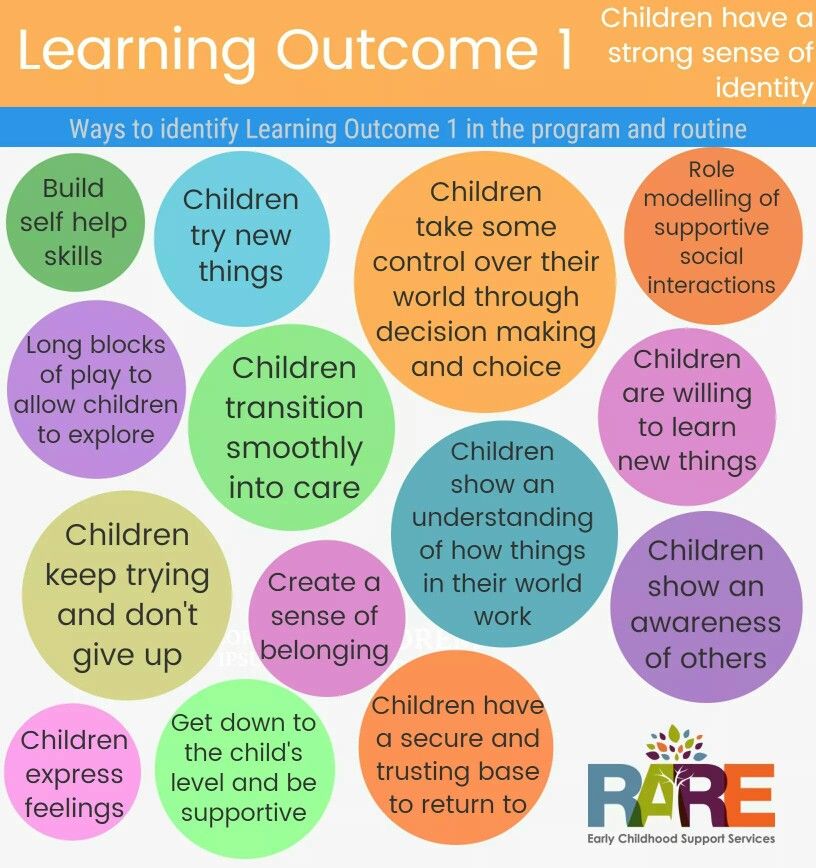
Therefore, the choice of the game should be based on the game’s potential to satisfy the objectives. The rules and general mechanics of the game should also be adapted to satisfy the teaching and learning outcomes.
Students should be guided in both the context in which the game is used and the rules governing the game before they become involved in playing the game.
 Read It Yourself Educational Resources
Games are considered to be educational when specific interactive subject topic such as mathematics, or science are highlighted.
LikeLiked by 5 people