Understanding the Difference
Exploring the Wild: Navigating the Realm of Plants and Animals
In the vast tapestry of nature, two distinct worlds coexist – the untamed wilderness and the cultivated havens shaped by human hands. In this exploration, we delve into the captivating dichotomy between wild plants and animals and their cultivated or domesticated counterparts. These are not merely categories; they represent ecosystems shaped by intricate relationships, adaptations, and the profound influence of humanity.
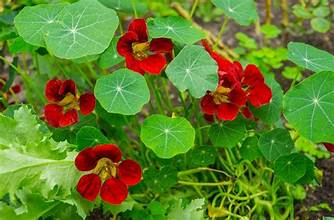


Wilderness Unveiled: The Realm of the Wild
In the untouched corners of our planet, wild plants and animals dance to the rhythms of nature. These beings thrive in their native habitats, shaped by eons of evolution and unfettered by direct human intervention. From the resilient flora dotting dense forests to the elusive creatures navigating savannas and jungles, the wild is a canvas painted by the forces of natural selection.

Cultivated Gardens and Domesticated Kin: The Handprint of Humanity
Contrastingly, within the bounds of cultivation and domestication, a different narrative unfolds. Gardens bloom with purposefully nurtured plants, their growth guided by human hands. Domesticated animals, once wild kin, have become companions, laborers, or sources of sustenance through the intricate dance of selective breeding.
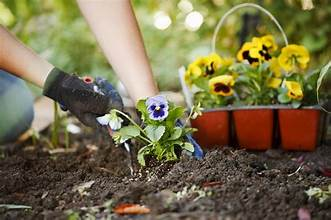

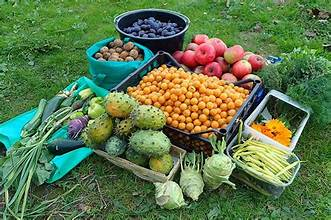
Embarking on a Journey of Understanding
In this blog post, we embark on a journey to understand the nuances that distinguish the wild from the cultivated. From the intrinsic characteristics of plants to the behaviors of animals, we unravel the tapestry that defines these two worlds. As we navigate this exploration, we will uncover the ecological intricacies, the impacts of human influence, and the delicate balance that defines the relationship between humanity and the natural world.
Join us as we venture into the heart of biodiversity, traversing the untamed landscapes and cultivated fields alike. Through this journey, we aim to foster a deeper appreciation for the wonders of both wild and cultivated life, recognizing the unique roles they play in the grand tapestry of our planet.
Wild Plants and Animals:
“Wild Plants and Animals” refers to flora and fauna that exist and thrive in their natural environments without direct human intervention. These organisms are not cultivated, bred, or managed by humans and have evolved in their native habitats over time. Here are key points about wild plants and animals:
Wild Plants:
Wild plants grow naturally in their native environments without direct human intervention. They are adapted to the specific conditions of their habitats. They reproduce through natural processes like pollination and seed dispersal, often assisted by wind, insects, or animals. Wild plants develop adaptations to survive in their specific ecological niches, such as resistance to local pests, diseases, or climatic conditions.

Natural Habitat:
Wild plants grow in their native ecosystems, adapted to specific soil conditions, climate, and ecological niches.
Reproduction:
They reproduce through natural processes like pollination, seed dispersal, or spore release.
Adaptations:
Wild plants develop adaptations to survive in their specific environments, such as resistance to local pests, diseases, or climatic conditions.
Wild Animals:
Wild animals live in their natural habitats and are not dependent on humans for their survival. They have evolved to thrive in diverse ecosystems. They follow natural mating and reproductive behaviors, and their offspring are born and raised without human interference. Wild animals exhibit behaviours and physical characteristics that help them survive in their natural environments. These adaptations include camouflage, migration, and hunting skills.

Natural Habitat:
Wild animals inhabit their native ecosystems, ranging from forests and deserts to oceans and grasslands.
Reproduction:
They follow natural mating and reproductive behaviors, and their offspring are born and raised without human interference.
Adaptations:
Wild animals exhibit behaviors and physical characteristics that help them survive in their natural environments, such as camouflage or migration.
Contrast with Cultivated/Domesticated:
Wild organisms exist without direct human influence, unlike cultivated plants and domesticated animals. Cultivated plants and domesticated animals are intentionally grown or bred by humans in controlled environments for various purposes. Cultivated plants and domesticated animals often possess traits that are desirable to humans, achieved through selective breeding.


Understanding the distinction between wild and cultivated/domesticated organisms is crucial for appreciating biodiversity, conservation efforts, and our impact on natural ecosystems. It highlights the delicate balance between human needs and the preservation of untouched wilderness.
Cultivated/Domesticated Plants and Animals:
Human Intervention:

Cultivated plants are intentionally grown by humans for various purposes, such as food, medicine, or ornamentation. They are often selected and bred for specific traits.
Domesticated animals are bred and raised by humans for various purposes, including food, labor, companionship, or other specific needs.

Controlled Environment:
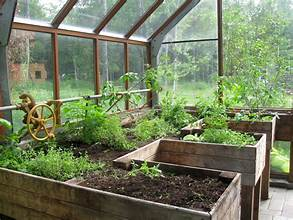
Cultivated plants are grown in controlled environments like gardens, farms, or greenhouses, where conditions like soil, water, and light are managed by humans.
Domesticated animals are raised in environments controlled by humans, such as farms or households, where they receive care, food, and protection.

Human-Induced Traits:

Cultivated plants often have traits that are desirable to humans, such as larger fruit size, faster growth, or resistance to diseases.
Domesticated animals may exhibit traits selected through breeding for specific purposes, like milk production in cows or docility in dogs.

Dependency on Humans:
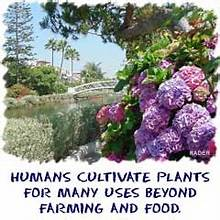
Cultivated plants are dependent on humans for planting, watering, and protection from pests. They may not survive as well in the wild.
Domesticated animals rely on humans for food, shelter, and care. They may lack the survival skills needed in the wild.
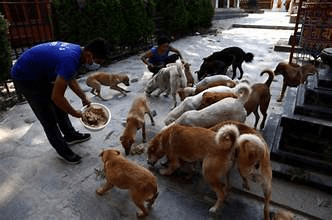
The primary distinction lies in the degree of human influence and the environmental context. Wild plants and animals exist in their natural habitats with minimal human interference, while cultivated/domesticated plants and animals have undergone selective breeding and live in environments shaped by human activities.
 Read It Yourself Educational Resources
hey
cool blog 🙂 will give it a follow and a like !
https://ketodietrecipes.co.uk/
LikeLike
Thanks for the like and follow….
LikeLike