Here are various activities tailored for different grade levels, focusing on the basic needs of living things:
Kindergarten

Needs and Wants Storytime
Activity: Read a story that includes characters expressing needs and wants. After the story, discuss with the students what the characters needed to survive versus what they wanted for fun. Use illustrations to help them visualize.
Living Things Collage
Activity: Provide magazines and images for students to create a collage of living things. Have them cut out pictures of plants and animals, and then label what each one needs to survive.

1st Grade
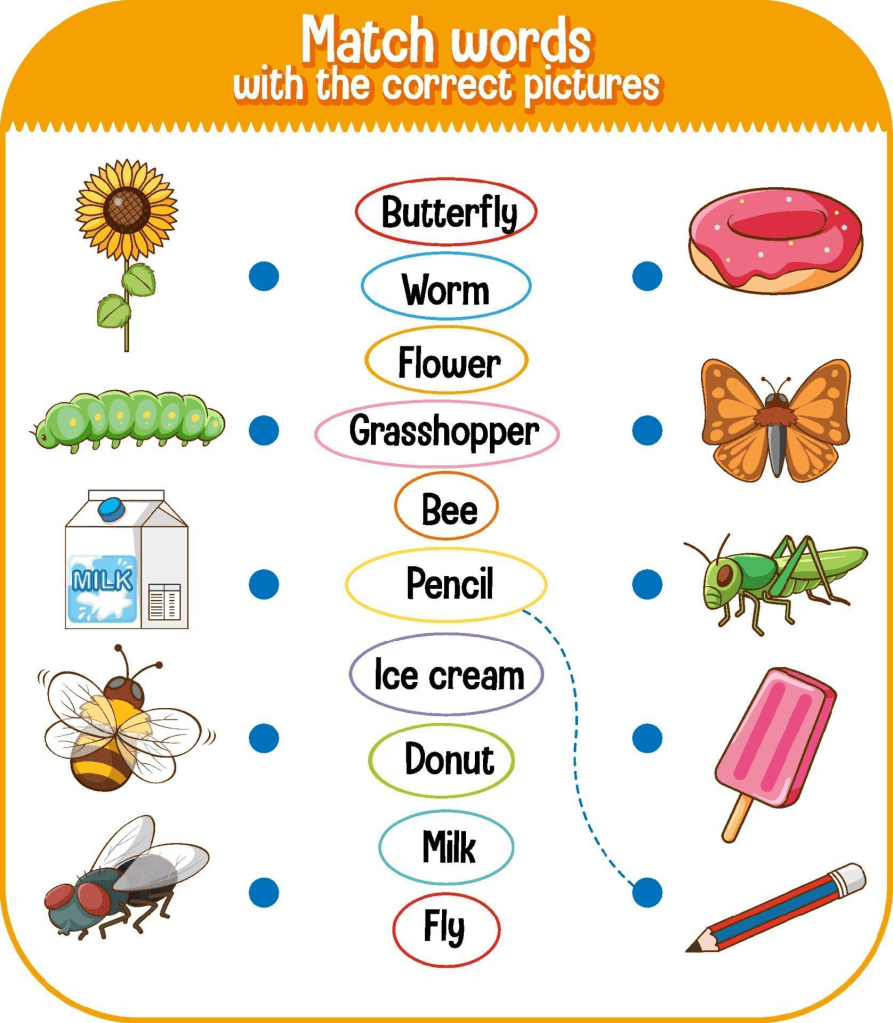
Matching Game
Activity: Create a matching game with cards that have pictures of living things on one set and their basic needs on another. Students will match the living things with what they need to survive.
Class Needs Chart
Activity: Have students create a chart listing their needs and wants. Discuss how their needs are similar to those of plants and animals. This can be done as a group activity with a large poster.
2nd Grade
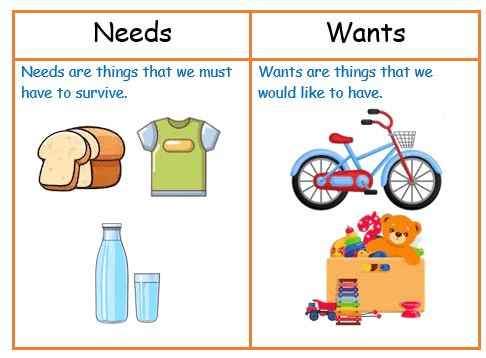
Needs and Wants Sorting
Activity: Provide students with a mixed set of images or objects (e.g., food, toys, water, books). Have them sort these into “needs” and “wants.” Discuss the importance of needs for living things.
Plant Growth Experiment
Activity: Plant seeds in different conditions (with sun, without sun, with water, without water) to observe what plants need to grow. Have students record their observations in a science journal.

Research Project
Activity: Assign students a specific plant or animal. They will research its basic needs and create a short presentation (poster or digital) to share with the class.
Need vs. Want Debate
Activity: Hold a class debate where students argue whether certain items (like video games or food) are needs or wants. This encourages critical thinking and discussion.
3rd Grade
4th Grade
Field Trip to a Local Park
Activity: Take students on a field trip to a local park or nature reserve. Have them observe different plants and animals, noting their basic needs in their nature journals.
Create a Habitat Diorama
Activity: Have students create a diorama of a specific habitat (like a forest, desert, or ocean). They should include living things and label their basic needs. Present the dioramas to the class.
5th Grade
Ecosystem Simulation
Activity: Conduct a simulation of an ecosystem in the classroom. Assign roles (producers, consumers, decomposers) to students and have them demonstrate how they rely on each other for basic needs.

Advanced Research Paper
Activity: Assign students to write a research paper on a specific ecosystem, detailing the living things in it and analyzing how they meet their basic needs.
6th Grade
Environmental Impact Project
Activity: Have students research how environmental changes (like deforestation or pollution) affect the basic needs of living things in that ecosystem. They can present their findings through a multimedia presentation.

Comparative Analysis
Activity: Students can compare the basic needs of different organisms (like mammals, birds, and plants) and create a Venn diagram to illustrate their similarities and differences.
These activities cater to various grade levels, building on the complexity and depth of understanding as students progress through their education. Each activity encourages exploration, critical thinking, and engagement with the topic of living things and their needs.
 Read It Yourself Educational Resources