Have you ever wondered why our planet’s weather is changing, and how it’s affecting the world around us?
Today, we gather to discuss a topic of paramount global importance – climate change. Climate change is not just a buzzword or a distant concern; it is an urgent and interconnected challenge that affects every corner of our planet and every aspect of our lives. It is a global issue that knows no borders, respects no boundaries, and leaves no one untouched.
Section 1: What is Climate Change?
Climate change refers to significant and long-term alterations in global or regional climate patterns. It involves shifts in temperature, precipitation, wind patterns, and other meteorological factors over extended periods, typically decades to millions of years. Climate change can manifest as both natural variations and human-induced alterations in the Earth’s climate system.
The current focus of climate change discussions primarily concerns human-induced climate change, often referred to as “anthropogenic climate change.” This refers to the changes in the Earth’s climate brought about by human activities, particularly the release of greenhouse gases like carbon dioxide (CO2), methane (CH4), and nitrous oxide (N2O) into the atmosphere. These gases trap heat from the sun, leading to global warming and a range of environmental and societal impacts.
Anthropogenic climate change is largely driven by activities such as the burning of fossil fuels, deforestation, industrial processes, and agriculture, which have significantly increased the concentration of greenhouse gases in the atmosphere. The consequences of this human-induced climate change include rising global temperatures, more frequent and severe weather events, sea-level rise, and various ecological and societal disruptions.
Addressing climate change involves mitigation efforts to reduce greenhouse gas emissions and adaptation measures to cope with the changes already underway. Efforts to combat climate change are central to protecting the environment and ensuring a sustainable future for the planet and its inhabitants.

Climate change has both natural and human-induced causes, but the current focus of climate change discussions centers on anthropogenic or human-induced factors. The primary human activities responsible for driving climate change are the burning of fossil fuels and deforestation. Here’s an explanation of these causes:
Burning Fossil Fuels:
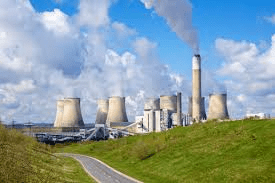
The combustion of fossil fuels, which include coal, oil, and natural gas, is a major source of greenhouse gas emissions, particularly carbon dioxide (CO2). When these fuels are burned for energy production, transportation, and industrial processes, they release carbon dioxide into the atmosphere. This CO2 acts as a greenhouse gas, trapping heat from the sun and leading to global warming. Key factors in the role of fossil fuels in climate change are:
Energy Production:
Fossil fuels are a primary source of electricity and heat generation, releasing substantial amounts of CO2. The electricity sector is one of the largest contributors to carbon emissions globally.
Transportation:
The combustion of gasoline and diesel fuels in cars, trucks, ships, and airplanes is a significant source of CO2 emissions, contributing to global warming.
Industrial Processes:
Fossil fuels are used in various industrial activities, including manufacturing, refining, and chemical production, all of which emit carbon dioxide.
Deforestation:
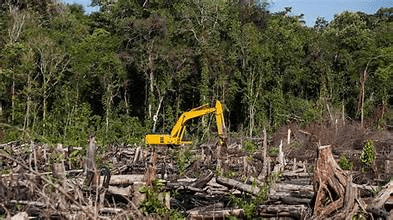
Deforestation refers to the deliberate clearing of forests or the conversion of forested land for other purposes, such as agriculture, urban development, and mining. This practice contributes to climate change through several mechanisms:
Carbon Release:
Forests store a vast amount of carbon in their trees and vegetation. When forests are cut down or burned, this carbon is released into the atmosphere as CO2, contributing to the greenhouse effect.
Altered Albedo:
Forests have a different albedo (reflectivity) compared to many other land cover types. Darker, less reflective surfaces like deforested land absorb more heat from the sun, leading to localized warming.
Reduced Carbon Sequestration:
Ongoing deforestation reduces the planet’s capacity to absorb CO2 from the atmosphere. Healthy forests act as carbon sinks, capturing and storing carbon, which helps mitigate global warming.
Human activities have accelerated climate change over the last century, resulting in an enhanced greenhouse effect and global warming. This increase in global temperatures has numerous consequences, including more frequent and severe heatwaves, changes in precipitation patterns, sea-level rise, ocean acidification, and more extreme weather events.
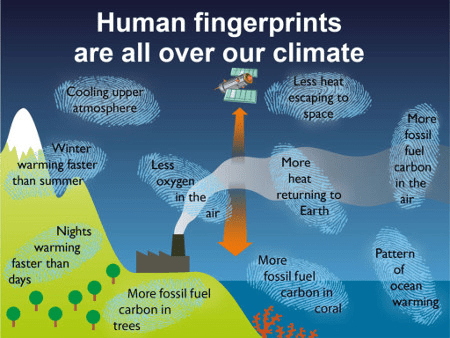
Efforts to combat climate change emphasize the need to reduce greenhouse gas emissions by transitioning to cleaner energy sources, improving energy efficiency, preserving forests, and adopting sustainable land-use practices. These actions are essential to mitigate the impacts of climate change and reduce the risk of catastrophic consequences. International agreements, such as the Paris Agreement, seek to coordinate global efforts in addressing climate change and reducing emissions from these key human activities.
Section 2: Evidence of Climate Change:
There is an abundance of scientific evidence that supports the reality of climate change and the role of human activities in driving it. The evidence is derived from a wide range of sources and includes:

Temperature Records:
Long-term temperature records show a consistent warming trend over the past century. This warming is evident in both surface temperature measurements and observations of ocean temperatures.
Glacier and Ice Sheet Retreat:
Glaciers and ice sheets worldwide are retreating at an accelerated pace. This is particularly evident in polar regions like the Arctic and Antarctica, where ice loss is contributing to rising sea levels.


Sea-Level Rise:
Global sea levels have been rising over the last century, primarily due to the thermal expansion of seawater as it warms and the melting of ice caps and glaciers. Sea-level rise poses a significant threat to coastal communities.
Ocean Warming:
The world’s oceans have been absorbing a significant portion of the excess heat trapped by greenhouse gases. This has led to ocean warming, which affects marine ecosystems and weather patterns.

Extreme Weather Events:
Increased frequency and severity of extreme weather events, such as hurricanes, droughts, and heavy rainfall, are consistent with climate change projections. These events have far-reaching impacts on communities and ecosystems.
Changes in Precipitation Patterns:
Climate change has led to shifts in regional precipitation patterns, including more intense rainfall in some areas and prolonged droughts in others.


Ocean Acidification:
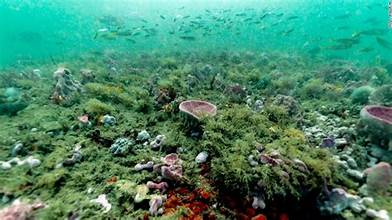
Increased atmospheric CO2 levels have led to more CO2 absorption by the world’s oceans, resulting in ocean acidification. This can harm marine life, especially organisms like corals and shellfish.
Loss of Arctic Sea Ice:
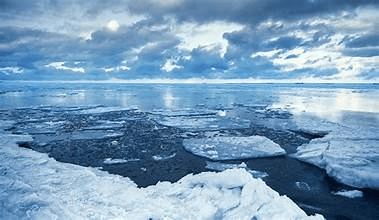
The Arctic region is experiencing rapid loss of sea ice, which has implications for climate systems and ecosystems in the region.
Plant and Animal Behavior:
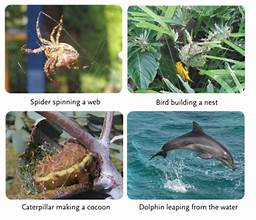
Changes in the timing of seasonal events, such as earlier flowering of plants and altered migration patterns of animals, are consistent with a changing climate.
Carbon Isotope Analysis:
The chemical signature of carbon in the atmosphere shows that the increased CO2 levels are primarily from the burning of fossil fuels, which have a distinct isotopic composition.

Proxy Data from Geological Records:
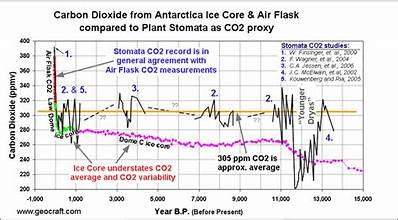
Historical climate data can be obtained from proxy records such as tree rings, ice cores, and sediment layers. These records reveal historical climate variations and validate current climate trends.
Satellite Observations:
Satellite technology has provided valuable data on climate variables, such as temperature, ice cover, and vegetation changes, which corroborate other measurements.


Global Climate Models:
Sophisticated climate models that take into account various natural and human factors have been used to project future climate scenarios. These models have accurately predicted observed temperature increases.
The consensus among climate scientists is that the evidence for human-induced climate change is compelling and the result of increased greenhouse gas emissions, primarily from the burning of fossil fuels. This consensus is supported by numerous scientific organizations and agencies around the world. Addressing climate change is a global priority, and efforts are being made to reduce greenhouse gas emissions and adapt to the changes already occurring..
Section 3: Impact on the Environment:
Climate change has profound environmental consequences, affecting various aspects of the Earth’s ecosystems. Here’s a discussion on three key environmental consequences: sea-level rise, habitat loss, and changes in ecosystems.
Sea-Level Rise:
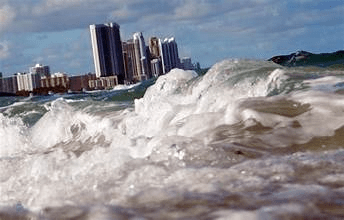
As global temperatures rise, polar ice caps and glaciers melt, contributing to the thermal expansion of seawater. This leads to a rise in sea levels.
Consequences:

Coastal Erosion:
Higher sea levels result in increased coastal erosion, threatening communities and infrastructure along coastlines.
Inundation of Low-Lying Areas:
Low-lying coastal regions, including islands, are at risk of being submerged, displacing communities and causing loss of arable land.
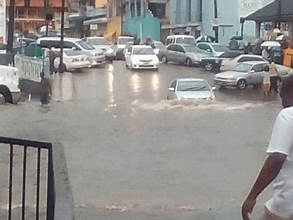

Saltwater Intrusion:
Rising seas can lead to saltwater intrusion into freshwater sources, affecting drinking water supplies and agricultural lands.
Habitat Loss:


Jamaica’s rare wildlife…..

Climate change contributes to shifts in temperature, precipitation patterns, and extreme weather events, leading to alterations in habitats worldwide.
Consequences:
Loss of Polar Habitats:
Melting ice in polar regions threatens the habitats of species like polar bears, seals, and penguins.


Disruption of Coral Reefs:
Warmer ocean temperatures result in coral bleaching, leading to the loss of biodiversity in coral reef ecosystems.
Changes in Forests:
Altered temperature and precipitation patterns impact forests, leading to shifts in species distribution and increased susceptibility to wildfires.


Migration Challenges:
Many species may struggle to migrate or adapt quickly enough to changing conditions, leading to population decline or extinction.
Changes in Ecosystems:
Altered climate conditions influence the structure and function of ecosystems, affecting species composition, migration patterns, and ecosystem services.
Consequences:
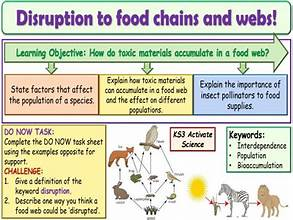
Disruption of Food Webs:
Changes in temperature and precipitation can disrupt the timing of key events in ecosystems, affecting the availability of food and resources.
Altered Migration Patterns:
Climate change can influence the timing and routes of animal migrations, impacting predator-prey relationships and ecosystem dynamics.
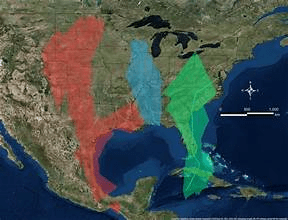

Spread of Invasive Species:
Changing climate conditions may create new habitats for invasive species, threatening native flora and fauna.
Ocean Acidification:
Increased carbon dioxide absorption by the oceans leads to acidification, negatively impacting marine life such as shell-forming organisms.

Crosscutting Theme: Biodiversity Loss

The combined effects of sea-level rise, habitat loss, and ecosystem changes contribute to biodiversity loss.
Consequences:

Species Extinctions:
Altered environments and disrupted habitats increase the risk of species extinctions.
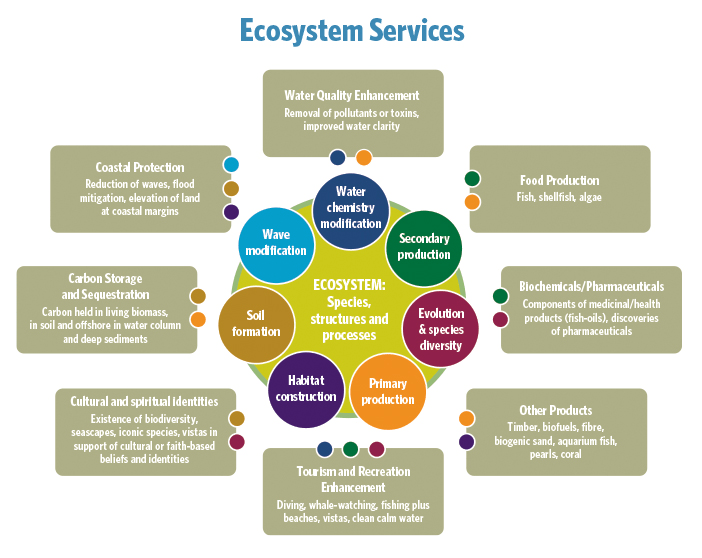
Loss of Ecosystem Services: Biodiversity loss diminishes the ability of ecosystems to provide essential services, such as pollination, water purification, and climate regulation.
Climate change, with its associated sea-level rise, habitat loss, and changes in ecosystems, poses a critical threat to the intricate balance of Earth’s environmental systems. Addressing these consequences requires global cooperation, sustainable practices, and mitigation efforts to curb further climate change and protect the planet’s biodiversity and ecosystems.
How climate change affects animals, like polar bears losing their ice habitat.
Melting Home: The Tale of Aurora the Polar Bear:

In the heart of the Arctic, where the icy landscapes once stretched endlessly, lived Aurora, a majestic polar bear. The ice was Aurora’s home, a vast expanse where she could roam, hunt, and raise her cubs in a world of frozen beauty.
As the seasons changed, so did Aurora’s world. The ice she once relied on began to melt at an alarming rate. The hunting grounds became more treacherous, with thinning ice making it difficult to catch seals, her primary food source.
One day, Aurora discovered that the ice she called home for generations was breaking apart. The vast ice floes were disappearing, leaving open water in their wake. Desperate to find food for her hungry cubs, Aurora embarked on a perilous journey, swimming longer distances than ever before.
Aurora’s tale reflects the struggle of polar bears as they lose their icy habitats due to climate change. It speaks to the challenges of adapting to a rapidly changing environment and the uncertain future that awaits these magnificent creatures.
Whispers of the Forest: The Story of Orion the Snowy Owl:

Deep within the northern forests, where winter’s embrace once held a timeless beauty, lived Orion, a wise and elegant snowy owl. The forest was Orion’s sanctuary, providing ample prey and a tranquil haven for nesting during the harsh winter months.
As temperatures rose, the once snow-laden landscapes began to change. The forest floor, once a pristine white canvas, transformed into a muddy terrain. The snowshoe hares, a staple in Orion’s diet, struggled to adapt to the shifting seasons.
Orion, accustomed to hunting against a snowy backdrop, found it increasingly challenging to spot prey amidst the changing colors of the forest. The delicate balance of the ecosystem, finely tuned to the rhythm of winter, became disrupted.
Orion’s story captures the subtle but profound impacts of climate change on animals living in northern habitats. It highlights the interconnectedness of species within an ecosystem and the repercussions of a changing climate on their intricate way of life.
These stories aim to convey the real challenges that animals like polar bears and snowy owls face as their habitats transform due to climate change. Through storytelling, we can raise awareness about the impact of climate change on wildlife and inspire a sense of responsibility to protect these incredible creatures and their environments.
Section 4: Impact on People:
Climate change can affect human lives, such as through more frequent and severe natural disasters, water shortages, and food insecurity. It has far-reaching impacts on human lives, influencing various aspects of society and well-being. Here’s an explanation of how climate change can affect human lives through more frequent and severe natural disasters, water shortages, and food insecurity:
More Frequent and Severe Natural Disasters:
Climate change contributes to the intensification and increased frequency of natural disasters such as hurricanes, floods, wildfires, and heatwaves.
Impact:
Increased Vulnerability:
Communities are more vulnerable to the devastating effects of natural disasters, with more frequent occurrences leading to heightened exposure to risks.
Property Damage:
Severe storms and flooding can result in extensive damage to infrastructure, homes, and businesses, displacing communities and disrupting livelihoods.
Humanitarian Crises:
The frequency of natural disasters can overwhelm local and national resources, leading to humanitarian crises as communities struggle to cope with the aftermath.
Water Shortages:
Changes in precipitation patterns, increased evaporation, and shifting weather patterns contribute to water scarcity in many regions.
Impact:
Reduced Water Availability:
Droughts and altered rainfall patterns lead to decreased water availability for agriculture, industry, and domestic use.
Impact on Agriculture:
Water scarcity affects crop yields, leading to reduced food production and economic challenges for communities dependent on agriculture.
Conflict Over Resources:
Competition for limited water resources can lead to tensions and conflicts between communities and nations.
Food Insecurity:
Climate change disrupts global and regional food production through changes in temperature, precipitation, and the frequency of extreme weather events.
Impact:
Crop Failures:
Altered growing conditions and increased frequency of extreme weather events can lead to crop failures, impacting food supply.
Rising Food Prices:
Reduced agricultural productivity can result in higher food prices, affecting the affordability of food for vulnerable populations.
Threat to Livelihoods:
Farmers, particularly in developing countries, face challenges in adapting to changing conditions, putting their livelihoods at risk.
Crosscutting Theme: Disproportionate Impact on Vulnerable Communities
Vulnerable communities, including those in low-income countries and marginalized populations, often bear the brunt of the impacts due to limited resources and adaptive capacity.
Impact:
Social Inequities:
Climate change exacerbates existing social inequalities, disproportionately affecting marginalized groups who have fewer resources to cope with the impacts.
Health Risks:
Increased exposure to extreme weather events, food insecurity, and water shortages pose health risks, particularly for vulnerable populations.
Climate change poses a significant threat to human lives through more frequent and severe natural disasters, water shortages, and food insecurity. The interconnected nature of these challenges requires comprehensive and coordinated efforts at the global, national, and community levels to mitigate the impacts and build resilience to a changing climate. Addressing climate change is not only an environmental imperative but also a crucial aspect of ensuring the well-being and security of communities worldwide.
Climate refugees or communities impacted by climate change
Climate change has already led to the displacement of communities, creating what are often referred to as climate refugees. These are people forced to leave their homes due to the adverse impacts of climate change. Here are a few examples:
Pacific Island Nations:

Impact:
Rising sea levels and increased frequency of extreme weather events, such as cyclones, threaten low-lying Pacific island nations.
Example:
The people of Kiribati and Tuvalu face the risk of losing their entire countries due to sea-level rise. Some residents have already been forced to relocate to neighboring countries as “climate refugees.”
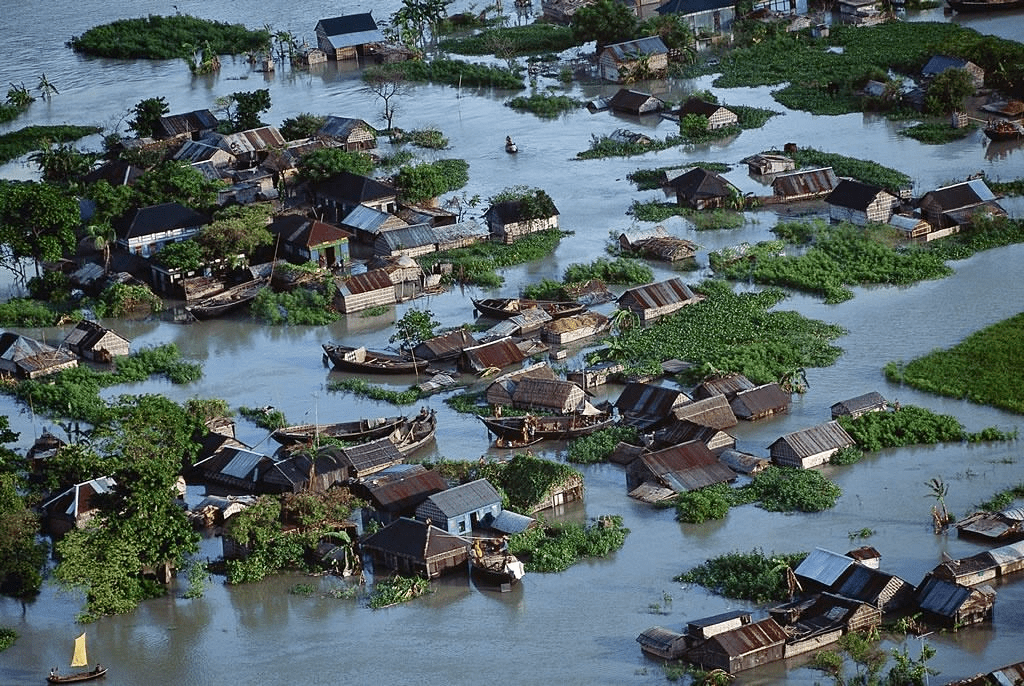
Bangladesh:
Impact:
Bangladesh is vulnerable to both sea-level rise and extreme weather events, such as cyclones and flooding.
Example:
The coastal communities of Bangladesh often experience displacement due to cyclones and riverbank erosion, leading to internal migration as people seek safer areas.
Sub-Saharan Africa:

Impact:
Changes in rainfall patterns and increased frequency of droughts affect agricultural productivity, contributing to food insecurity and displacement.
Example:
In regions like the Sahel, communities face challenges such as desertification and water scarcity, leading to internal and cross-border migration.
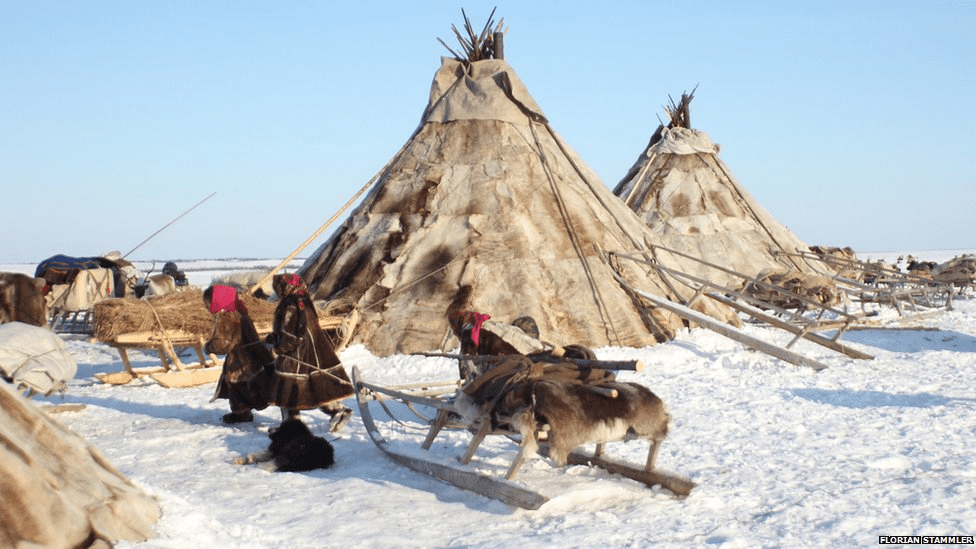
Arctic Communities:
Impact:
The Arctic is experiencing rapid warming, leading to melting ice, thawing permafrost, and changes in ecosystems.
Example:
Indigenous communities in the Arctic, such as the Inuit, are facing challenges due to the loss of their traditional way of life. Melting ice makes hunting and fishing more dangerous, impacting their livelihoods.
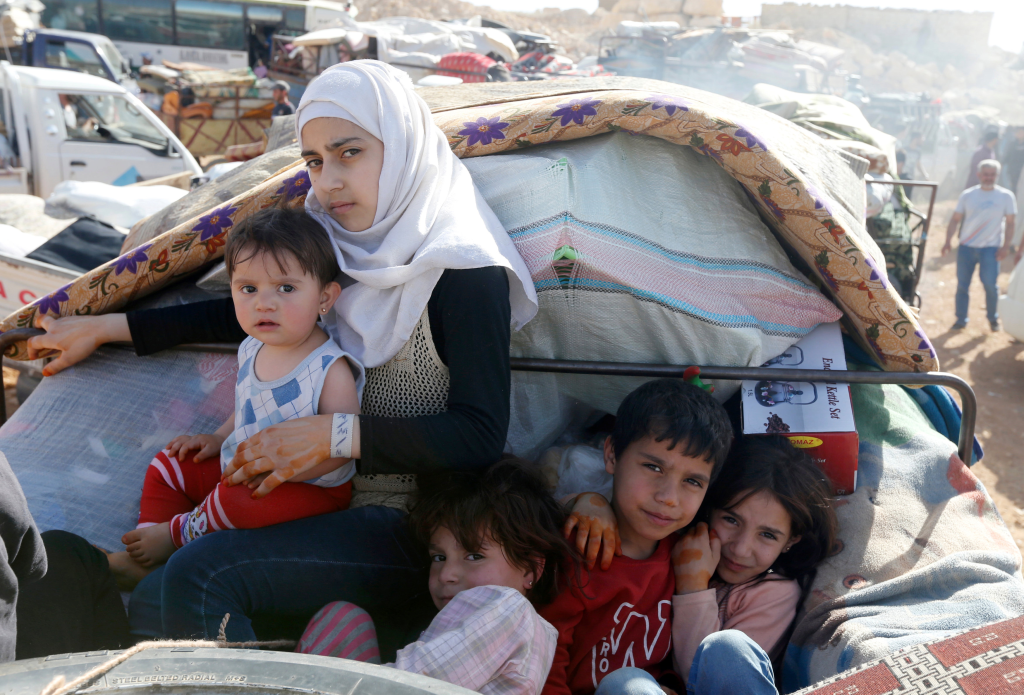
Syria:
Impact:
While conflict is a significant factor, climate change has been linked to prolonged droughts in the region, contributing to food and water scarcity.
Example:
The Syrian conflict resulted in internal and external displacement. While climate change is not the sole cause, it is considered a contributing factor to the environmental stressors in the region.
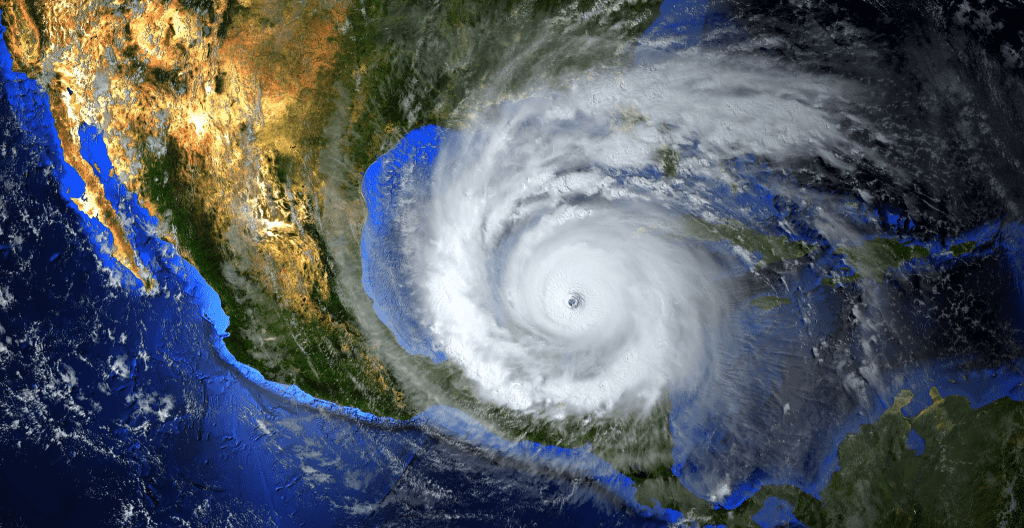
Central America:
Impact:
Increased frequency and intensity of hurricanes, combined with changes in rainfall patterns, contribute to extreme weather events and food insecurity.
Example:
Communities in countries like Honduras and Guatemala face displacement due to hurricanes and the destruction of agricultural lands, leading to migration in search of better living conditions.
Small Island Developing States (SIDS):

Impact:
SIDS, including the Maldives and Seychelles, are particularly vulnerable to sea-level rise and extreme weather events.
Example:
The Maldives faces the risk of submersion due to rising sea levels. Efforts are underway to consider relocation options for the population.
These examples underscore the diverse ways in which climate change is impacting communities worldwide, leading to displacement, migration, and the emergence of climate refugees. The issue highlights the need for global collaboration to address the root causes of climate change and support vulnerable communities in adapting to its impacts.
Section 5: What Can We Do to Help?
Discuss the importance of reducing greenhouse gas emissions through actions like reducing energy consumption, using public transport, and recycling.
Reducing greenhouse gas (GHG) emissions is crucial in mitigating the impacts of climate change. Human activities, particularly the burning of fossil fuels and deforestation, have significantly increased the concentration of greenhouse gases in the atmosphere, leading to global warming. Taking actions to curb emissions is vital for maintaining a stable climate and a sustainable future. Here’s a discussion on the importance of reducing greenhouse gas emissions through actions such as reducing energy consumption, using public transport, and recycling:

Mitigating Climate Change:
Greenhouse gases, such as carbon dioxide (CO2) and methane, trap heat in the Earth’s atmosphere, leading to global warming. By reducing emissions, we can slow down the pace of climate change and limit the associated impacts, such as rising temperatures, extreme weather events, and sea-level rise.
Preserving Ecosystems and Biodiversity:
Climate change disrupts ecosystems and threatens biodiversity. Reduced emissions help maintain the balance of ecosystems, support wildlife habitats, and protect the diversity of plant and animal species.


Improving Air Quality:
Many greenhouse gas emissions come from the burning of fossil fuels, which also releases pollutants harmful to human health. Reducing emissions improves air quality, reducing the incidence of respiratory diseases and other health issues.
Conserving Energy Resources:

Energy consumption contributes to a significant portion of greenhouse gas emissions. By reducing energy use through energy-efficient technologies and practices, we can lower emissions and promote the sustainable use of energy resources.
Enhancing Energy Security:

Diversifying energy sources and reducing dependence on fossil fuels contribute to energy security. Renewable energy alternatives, such as solar and wind, not only reduce emissions but also make energy systems more resilient and less susceptible to geopolitical tensions.
Promoting Sustainable Transportation:

The transportation sector is a major contributor to greenhouse gas emissions. Using public transport, carpooling, biking, and walking can reduce the reliance on individual vehicles, lowering emissions and alleviating traffic congestion.
Supporting a Circular Economy:
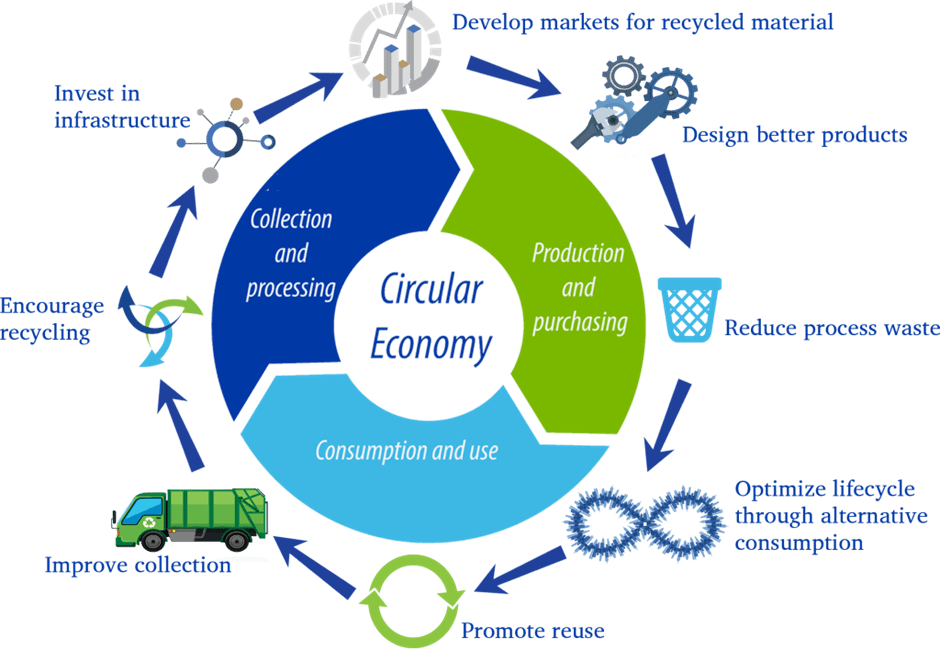
Recycling and adopting a circular economy model reduce the need for raw material extraction and production, which can be energy-intensive and emission-heavy. Recycling materials instead of producing them from scratch helps conserve resources and lower emissions.
Fostering Innovation and Green Technologies:
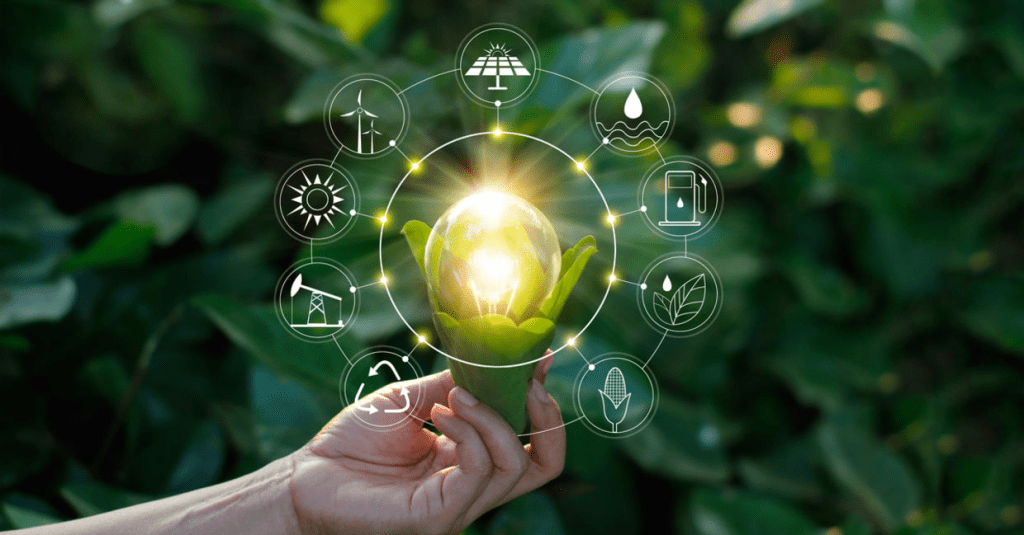
The transition to a low-carbon economy requires innovation and the adoption of green technologies. Supporting and investing in these technologies not only reduces emissions but also stimulates economic growth and job creation in the clean energy sector.
Meeting Global Climate Targets:

International efforts, such as the Paris Agreement, set global targets for reducing greenhouse gas emissions. Taking individual and collective actions aligns with these goals and contributes to the global effort to limit temperature increases and mitigate climate change impacts.
Preserving a Livable Planet for Future Generations:
Ultimately, the reduction of greenhouse gas emissions is about securing a sustainable and livable planet for future generations. By taking responsible actions today, we contribute to a healthier and more resilient environment for those who come after us.
In conclusion, the importance of reducing greenhouse gas emissions through actions like reducing energy consumption, using public transport, and recycling cannot be overstated. These actions not only address the immediate threats of climate change but also contribute to a more sustainable and resilient future for our planet and all its inhabitants. Each individual’s efforts, combined with systemic changes and global cooperation, play a crucial role in mitigating climate change and creating a more sustainable world.
 Read It Yourself Educational Resources