A Journey into the Wonders of Nature
Nature is a vast and intricate tapestry of life, woven together by the countless living things that call this planet home. From the smallest microorganisms to the majestic creatures of the wild, each plays a crucial role in maintaining the delicate balance of our ecosystems. Join us on a captivating journey as we delve into the fascinating world of “Living Things and Their Habitats.”
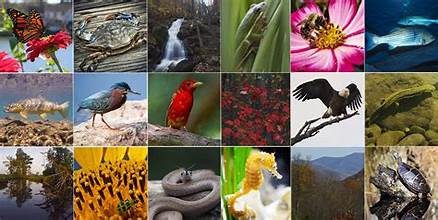
The Diversity of Life: A Symphony in Nature
Our planet is teeming with life in all its forms. Take a moment to imagine the bustling activities in a dense forest, the serene beauty of a coral reef, or the vastness of the open ocean. These diverse habitats are home to a myriad of living organisms, each uniquely adapted to its surroundings.
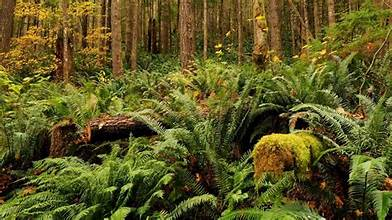
In lush rainforests, vibrant birds and elusive insects find refuge among the dense foliage. On the vast plains, herds of animals graze, showcasing the interconnectedness of life. Even the seemingly barren deserts host a variety of resilient plants and animals that have evolved remarkable strategies for survival.
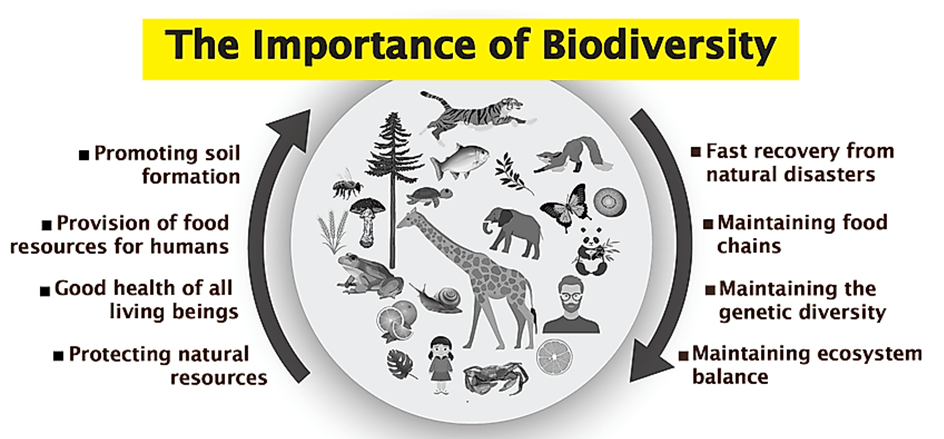
The Symphony of the Rainforest: Biodiversity Unveiled
In the heart of the Amazon rainforest, where the air is thick with humidity and the foliage forms a verdant canopy, one can witness the symphony of biodiversity. Darting through the emerald leaves are iridescent butterflies and exotic birds like the resplendent quetzal. Here, in this habitat, each living thing has found its niche. The vibrant tree frogs, with their brilliant hues, are a testament to the intricate dance of adaptation, using their colors to signal danger or courtship.
The Concept of Habitats: Nature’s Address for Every Species
A habitat is not just a place; it’s a unique address where each species finds its niche. Exploring habitats involves understanding the specific environmental conditions – the climate, vegetation, and geographical features – that influence the survival and behavior of living things.
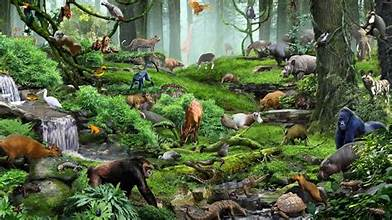
From the polar ice caps to scorching deserts, every habitat has its own set of challenges and opportunities. These environments shape the physical characteristics, behavior, and life cycles of the living things that inhabit them.
Adaptation: Nature’s Creative Response to Challenges
One of the most intriguing aspects of exploring living things and their habitats is witnessing the incredible adaptations that have evolved over time. Whether it’s the camouflage of a chameleon in a rainforest or the hibernation of animals in cold climates, adaptation is nature’s creative response to challenges.
For instance, consider the amazing ability of the camel to survive in the harsh desert environment. Its hump stores fat, not water as commonly believed, providing a source of energy during times when food and water are scarce. Such adaptations showcase the incredible ingenuity of living things in overcoming the obstacles presented by their habitats.
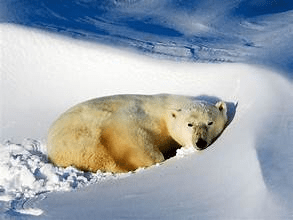
A Polar Playground: Adaptations in the Arctic
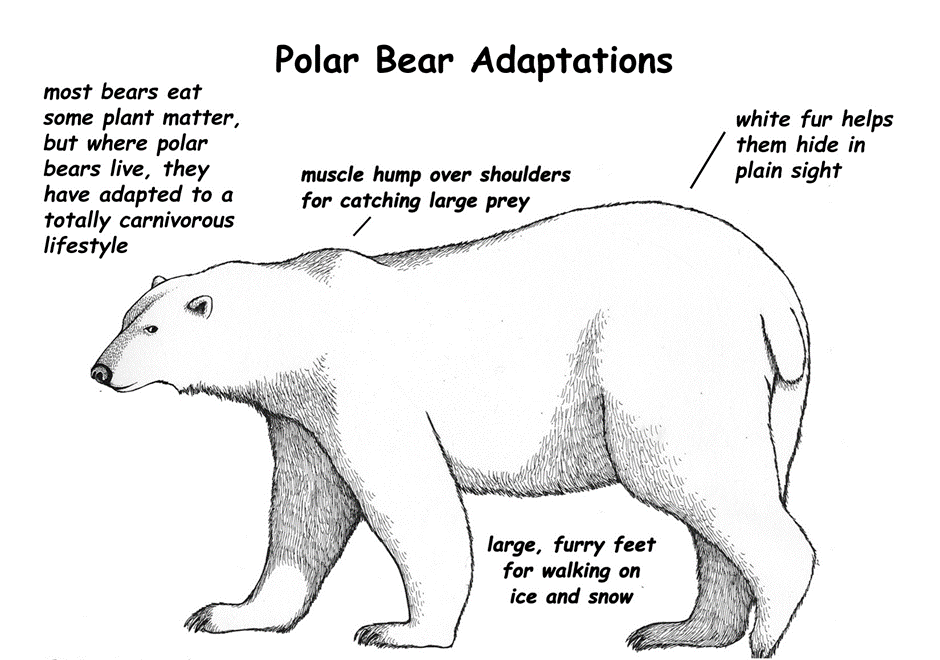
Picture the vast, frozen expanse of the Arctic, where polar bears roam gracefully across icy landscapes. In this harsh habitat, survival depends on exceptional adaptations. The polar bear’s thick fur and layer of blubber provide insulation against the bone-chilling cold, while its large paws enable efficient swimming through frigid waters. Witnessing these majestic creatures reveals the extraordinary ways in which living things have evolved to thrive in the extreme conditions of their habitats.
Camouflage Chronicles: The Case of the Peppered Moth
In the story of the peppered moth in 19th-century England, we find a compelling example of adaptation. As industrialization darkened the landscape with soot, the light-colored moths faced a new threat from predators. Over time, a genetic mutation led to a higher prevalence of dark-colored moths, providing them with better camouflage against the soot-covered trees. This natural selection process showcases the powerful influence of environmental changes on the characteristics of a species.

Human Impact: A Cautionary Tale
While exploring the wonders of living things and their habitats, it’s crucial to recognize the impact of human activities on these delicate ecosystems. Deforestation, pollution, and climate change threaten the very habitats that sustain life on Earth. As stewards of this planet, it’s our responsibility to ensure the preservation of these habitats for future generations.
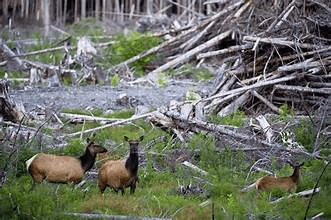
Human Footprint: The Impact on Habitats
Consider the once-thriving grasslands that are now dotted with concrete jungles. The encroachment of urbanization not only diminishes habitats but disrupts the delicate balance that sustains life. The rapid loss of biodiversity due to deforestation, pollution, and climate change echoes the urgency of our responsibility to preserve the habitats that nurture life.
Embracing the Marvels of Nature
In our exploration of living things and their habitats, we embark on a journey of discovery, awe, and responsibility. Nature, with its intricate web of life, teaches us valuable lessons about adaptation, diversity, and interconnectedness. Let us cherish and protect the habitats that sustain us all, ensuring that the symphony of life continues to resonate through the ages. Join us on this exciting voyage as we delve deeper into the heart of nature’s wonders.
Embrace the Green Revolution: A Call to Preserve Our Natural Symphony
Having delved into the wonders of living things and their habitats, we stand at a crucial juncture. The stories we’ve explored, from the vibrant rainforests to the icy Arctic landscapes, carry a profound message: the fate of our planet is inextricably linked to our actions. Now, more than ever, it’s time for a collective call to action. Here are steps we can all take in our daily lives to preserve and protect the marvels of nature:
Reduce, Reuse, Recycle:
Recycle Responsibly:
Properly sort and recycle waste materials. Recycling reduces the demand for raw materials and minimizes environmental impact.

Conserve Water:
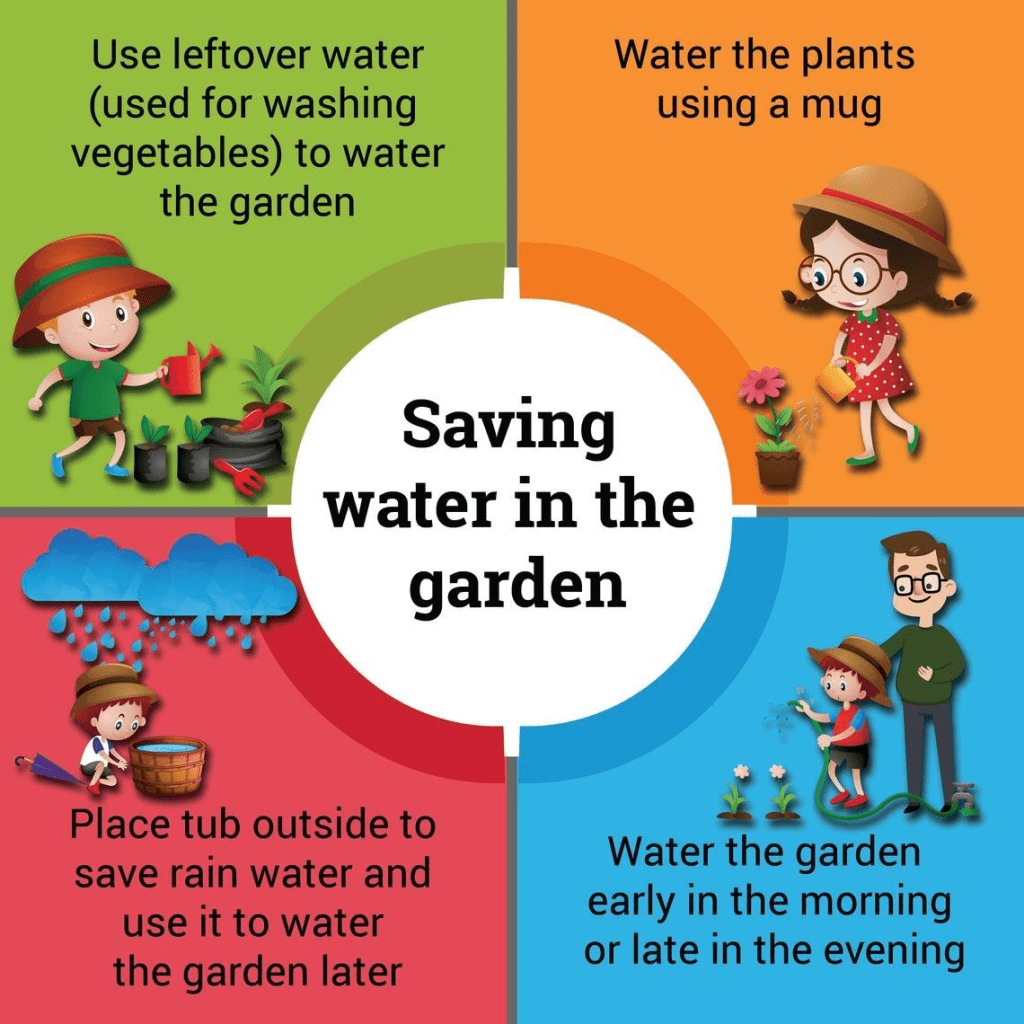
Mindful Consumption: Be conscious of water usage at home. Simple actions like fixing leaks, turning off taps when not in use, and using water-efficient appliances contribute to water conservation.

Support Sustainable Practices:
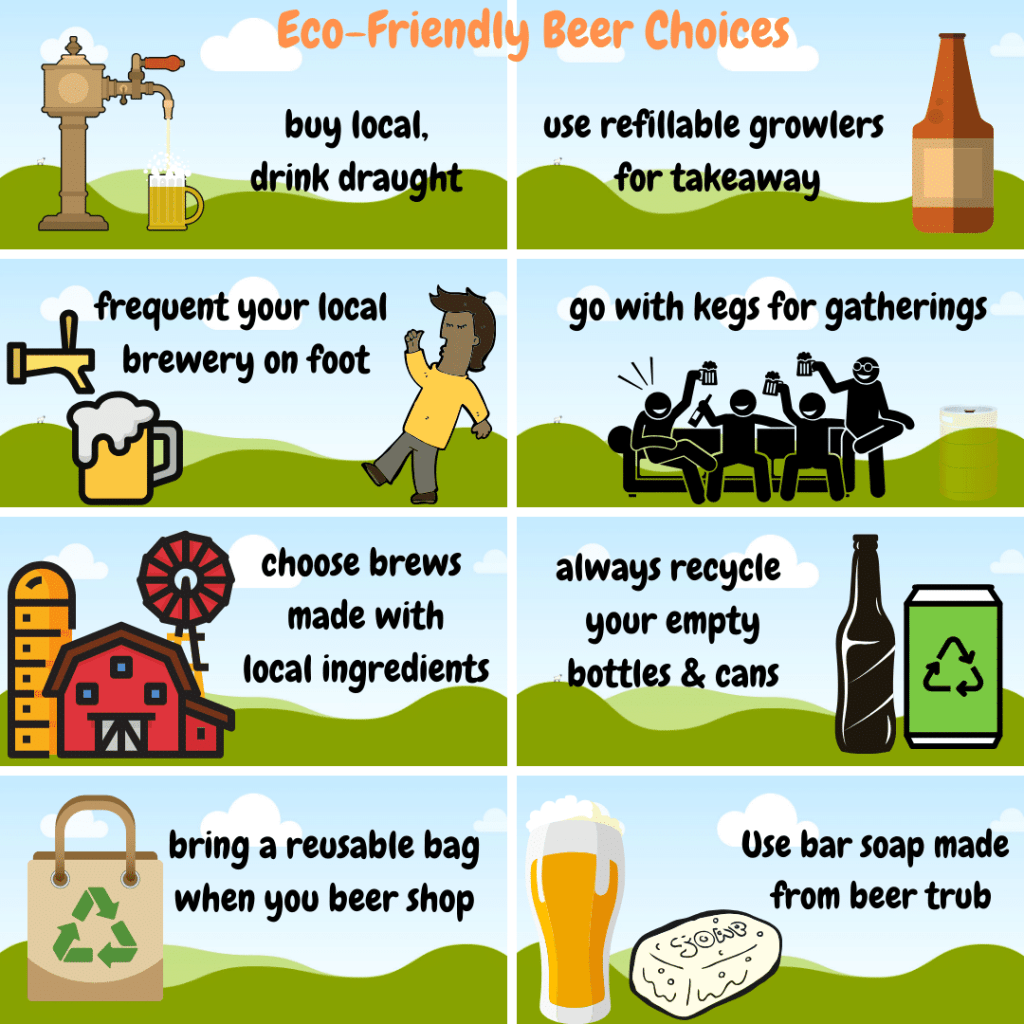
Eco-Friendly Choices: Choose products with minimal environmental impact. Support companies and initiatives committed to sustainable and ethical practices.
Green Transportation:

Walk, Bike, or Carpool: Opt for eco-friendly modes of transportation. Walking, biking, or carpooling reduces carbon emissions and promotes a healthier environment.
Plant Trees and Native Plants:
Green Your Surroundings:
Participate in tree-planting initiatives and cultivate native plants. Trees absorb carbon dioxide and provide essential habitats for numerous species.
Educate and Advocate:
Spread Awareness:
Share knowledge about the importance of biodiversity and habitat preservation. Advocate for policies that protect the environment on local and global levels.

Responsible Tourism:

Conscious Travel Choices:
When exploring natural habitats, practice responsible tourism. Respect local ecosystems, follow designated trails, and avoid disturbing wildlife.
Participate in Conservation Programs:
Hands-On Involvement:
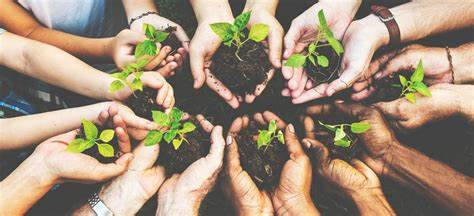
Get involved in local conservation programs and community initiatives. Whether it’s a beach cleanup or a tree-planting event, your hands-on participation can make a significant impact.
Mindful Energy Use:

Energy-Efficient Practices: Conserve energy by using energy-efficient appliances, turning off lights when not needed, and exploring alternative energy sources.
Teach the Next Generation:

Instill Environmental Values:
Educate children about the importance of preserving nature. Foster a love for the environment, cultivating future stewards of our planet.
Remember, each small action contributes to the larger narrative of environmental conservation. By making conscious choices in our daily lives, we become advocates for the preservation of living things and their habitats. The symphony of nature awaits our harmonious participation. Let’s stand together as custodians of this planet, ensuring that the stories we tell in the future are filled with resilience, biodiversity, and the continued marvels of the natural world. The time to act is now.
 Read It Yourself Educational Resources