What is Climate Change and how it affects the environment?
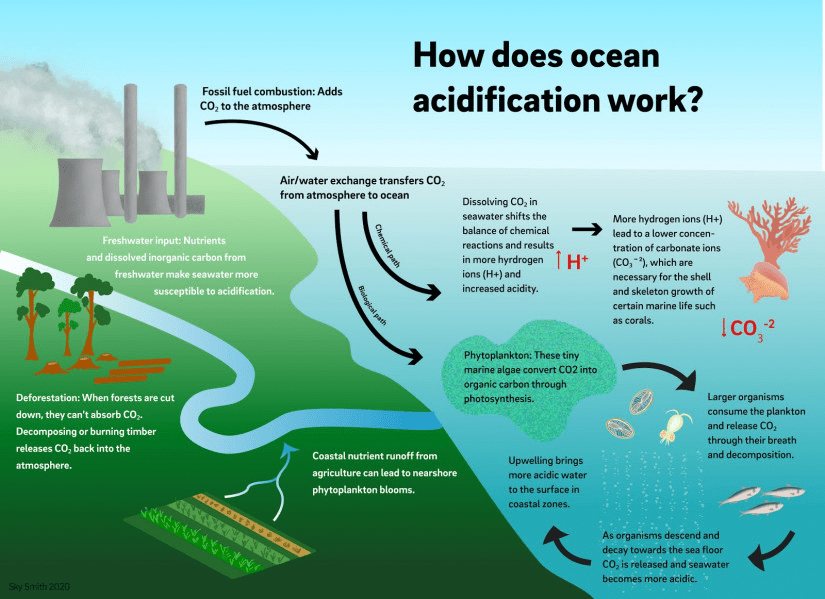
Climate change refers to long-term shifts in global or regional climate patterns. It is primarily driven by the increase in greenhouse gases, such as carbon dioxide (CO2), in the Earth’s atmosphere, largely due to human activities like the burning of fossil fuels (coal, oil, and natural gas), deforestation, and industrial processes. These gases trap heat from the sun, causing the Earth’s average temperature to rise. This increase in temperature has various effects on the environment, ecosystems, and human societies, including:
Climate Change Poems and Jingles

Rising Temperatures:
Global temperatures are increasing, leading to more frequent and severe heatwaves, which can be harmful to human health and ecosystems.
Melting Ice and Glaciers:
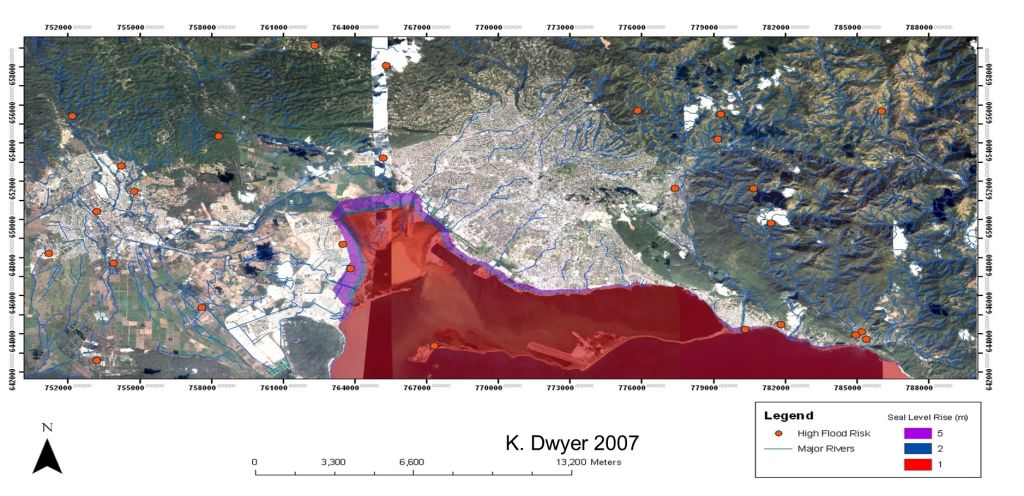
Higher temperatures cause polar ice caps and glaciers to melt, contributing to rising sea levels. This can result in coastal erosion and increased flooding in low-lying areas.

Sea Level Rise:
The thermal expansion of seawater, combined with the melting of ice, leads to rising sea levels. This threatens coastal communities, causing saltwater intrusion and damage to infrastructure.
Extreme Weather Events:
Climate change is linked to an increase in the frequency and intensity of extreme weather events, such as hurricanes, droughts, and heavy rainfall, which can lead to flooding and other natural disasters.

Ocean Acidification:
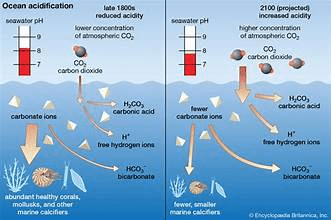
Increased CO2 in the atmosphere also leads to more CO2 being absorbed by the oceans, making them more acidic. This harms marine ecosystems, particularly coral reefs and shellfish.
Biodiversity Loss:
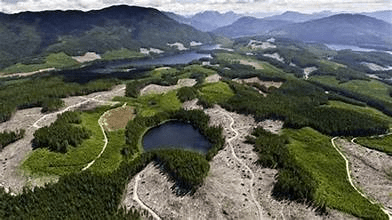
Climate change disrupts ecosystems and habitats, making it difficult for some species to adapt or migrate. This can lead to the extinction of certain plants and animals.


Altered Ecosystems:
Climate change can cause shifts in the distribution and behavior of various species, affecting food chains and ecosystem stability.
Food and Water Security:
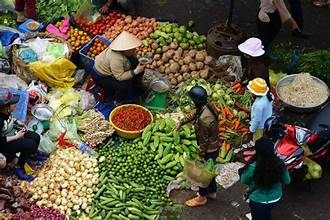
Climate change can impact crop yields, leading to food shortages and reduced access to clean water in some regions.

Health Impacts:
Heat-related illnesses, the spread of vector-borne diseases, and respiratory problems are some of the health risks associated with climate change.
Economic Consequences:
The impacts of climate change can lead to significant economic losses, affecting industries like agriculture, tourism, and insurance.

Social Disruption:
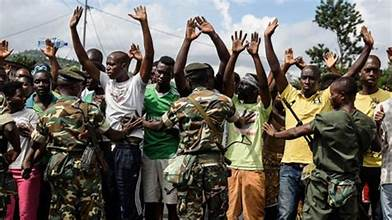
Climate change can exacerbate conflicts over resources, displace communities due to sea-level rise, and contribute to migration and refugee crises.
It is essential to mitigate climate change by reducing greenhouse gas emissions, transitioning to clean energy sources, and adopting sustainable practices to minimize its negative effects on the environment and society. Adaptation measures are also crucial to help communities cope with the changes that are already underway. Addressing climate change requires a global effort to limit its impact and protect the planet for future generations.
 Read It Yourself Educational Resources
One thought on “Climate Change”