Before delving into real-world examples and applications, let’s establish a clear understanding of the two essential concepts at the heart of this discussion: fair tests and cooperative learning.
Fair Tests: A fair test, also known as a controlled experiment, is a scientific method used to investigate cause-and-effect relationships. In a fair test, only one variable (the factor being tested) is changed while all other variables are kept constant. This ensures that any observed changes are a result of the manipulated variable. Fair tests form the cornerstone of scientific inquiry, allowing us to uncover truths about the natural world systematically.
Cooperative Learning: Cooperative learning is an educational approach that emphasizes collaboration and teamwork among students. In a cooperative learning environment, students work together in groups to achieve common goals. It promotes active participation, shared responsibility, and the development of essential interpersonal and problem-solving skills. Cooperative learning not only enhances academic understanding but also prepares students for the complexities of the real world.
Now that we have a solid foundation, let’s explore practical examples that showcase the real-world applications and benefits of these concepts.
Here are some examples and case studies to illustrate the concepts of fair tests and cooperative learning:
Fair Tests:
The Plant Growth Experiment:
Scenario: In a science class, students want to determine the effect of different amounts of water on the growth of bean plants.

Fair Test: They plant beans in identical pots with the same type of soil and sunlight exposure. The only variable they change is the amount of water they give to each plant.
Results: They find that the plants receiving more water grew taller, demonstrating the importance of controlled variables in a fair test.
The Paper Airplane Contest:
Scenario: Students want to determine which design of paper airplane flies the farthest.

Fair Test: They create multiple paper airplane designs using the same type and size of paper. They throw each design with the same force and angle to ensure consistency.
Results: By comparing the distances each design flew, they identify the one that traveled the farthest, proving the effectiveness of a fair test in eliminating variables.
Cooperative Learning:
The History Research Project:
Scenario: Students are given a complex history topic to research and present.
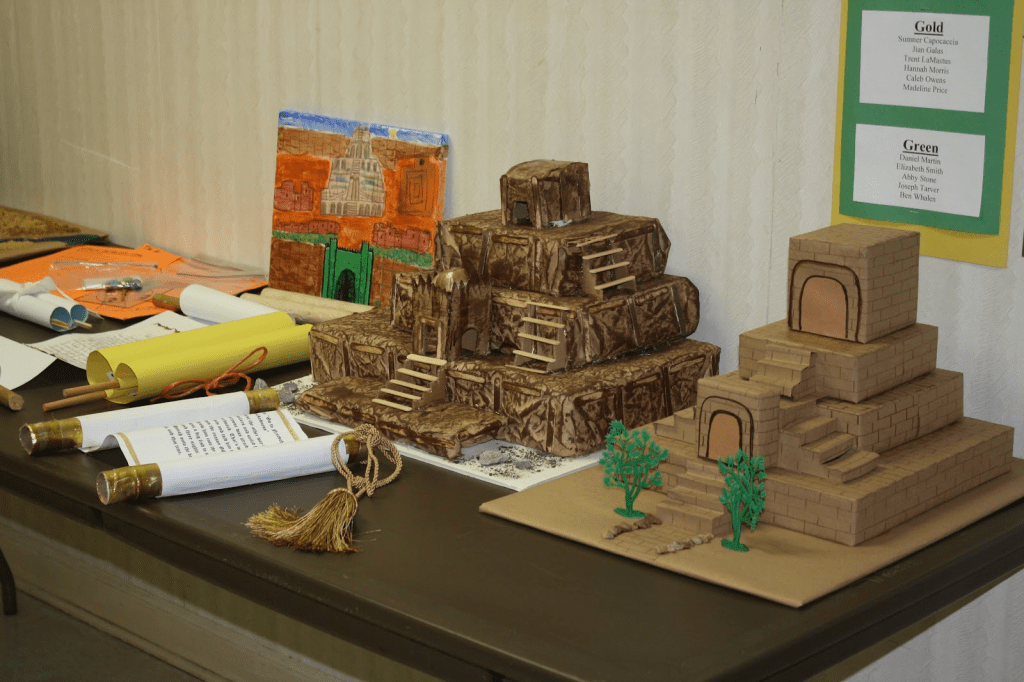
Cooperative Learning: They divide into groups, with each group responsible for researching a specific aspect of the topic. They collaborate, share findings, and create a comprehensive presentation.
Outcome: By working together, they not only learn about their assigned topic but also gain a broader understanding of the entire historical period through discussions and information sharing.
The Environmental Cleanup Initiative:
Scenario: Students are tasked with cleaning up a local park to raise environmental awareness.
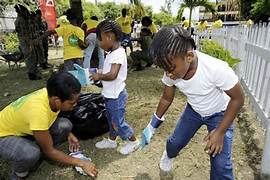
Cooperative Learning: They form teams, assign specific cleanup zones, and work together to collect litter and beautify the park.
Outcome: Through cooperation, they not only achieve a cleaner park but also develop teamwork skills and a sense of responsibility for their community.
The Math Problem-Solving Challenge:
Scenario: Students are presented with a complex math problem that requires creative solutions.

Cooperative Learning: They form small groups, brainstorm ideas, and combine their strengths to tackle the problem.
Outcome: By working together, they arrive at innovative solutions that they may not have discovered individually, showcasing the power of collaborative thinking in problem-solving.
These examples and case studies demonstrate how fair tests and cooperative learning can be applied across various subjects and situations, emphasizing the importance of systematic inquiry, teamwork, and respectful collaboration in both academic and real-world contexts.
As we draw this exploration of fair tests and cooperative learning to a close, it’s crucial to reflect on the key takeaways from the practical examples and case studies we’ve examined.
Fair Tests have illuminated the path to unbiased scientific inquiry. By systematically manipulating a single variable while holding all others constant, we unlock the secrets of cause and effect. Whether it’s understanding the growth of plants, the flight of paper airplanes, or the mysteries of the natural world, fair tests serve as our guiding light, leading us to verifiable conclusions and a deeper comprehension of the world’s workings.
Cooperative Learning has showcased the immense power of collaboration. From history research projects to environmental cleanup initiatives, it has been evident that when individuals work together toward common goals, their collective strengths magnify. This approach nurtures essential life skills—teamwork, active listening, negotiation, and problem-solving—that transcend academia and prepare students for success in the diverse and interconnected global community.
In essence, these concepts are not confined to the pages of textbooks or the walls of classrooms; they are life skills with far-reaching implications. Fair tests and cooperative learning empower individuals to question, explore, understand, and work harmoniously with others. As we carry these lessons forward, we embrace a future where curiosity and collaboration lead the way, not just in the pursuit of knowledge but in building a better world for all.
 Read It Yourself Educational Resources
One thought on “Fair Tests and Cooperative Learning:”