In the vibrant tapestry of a classroom, diversity reigns supreme. Within those walls, each student possesses a unique blend of talents, backgrounds, and, importantly, distinct learning styles. Acknowledging and embracing this diversity isn’t just an aspiration; it’s an educational imperative.
For teachers, the challenge lies in fostering an environment that caters to these diverse learning styles, ensuring that every student has an equitable opportunity to excel. This not only cultivates a deeper understanding of the subject matter but also empowers students to harness their individual strengths.
In this exploration, we delve into the significance of addressing diverse learning styles in the classroom. We’ll unravel why it matters and how teachers can weave it into their pedagogical approach to create a dynamic and inclusive learning space. Join us on this journey towards equitable education, where every student’s unique potential finds its moment to shine.
Content:
- Visual Learners
- Auditory Learners
- Kinesthetic Learners:
- Reading/Writing Learners
- Diverse Classroom
- Examples/case studies illustrating the application the above strategies
- Additional Resources/references for teachers
- Assessing and Evaluating students’ understanding of Fair Tests and Cooperative Learning
To accommodate diverse classrooms and cater to different learning styles, you can incorporate a variety of activities into the lesson plan for “Understanding Fair Tests and Cooperative Learning.” Here are some suggestions:
Visual Learners:
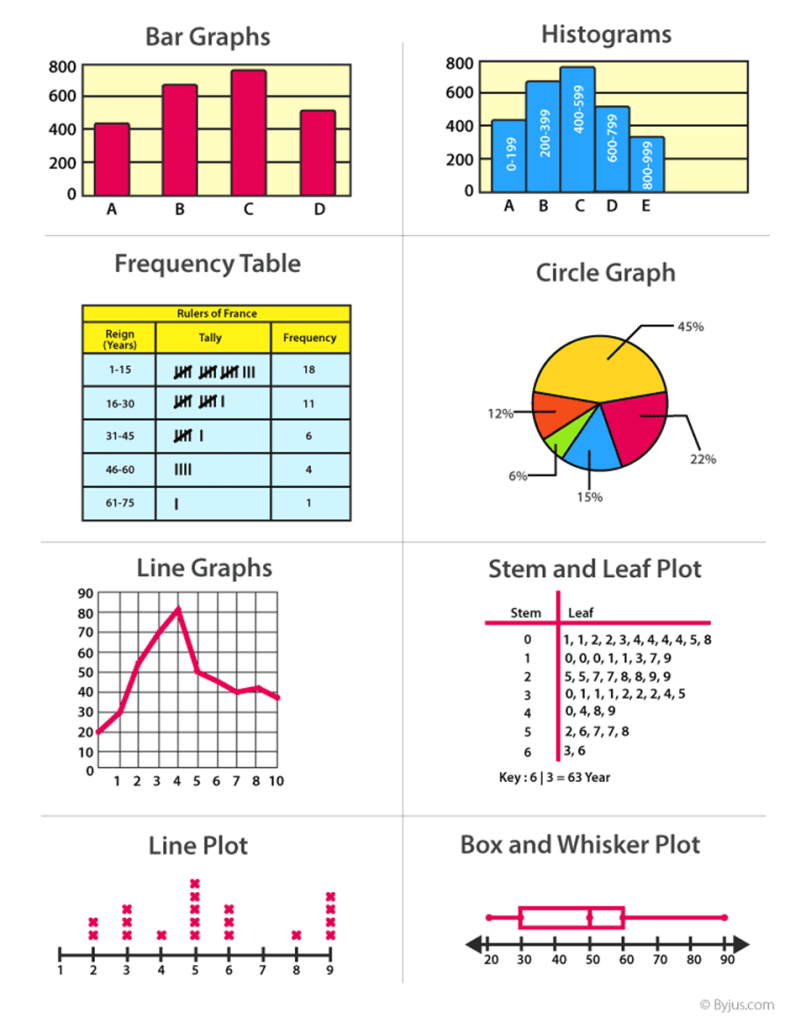
Graphical Representation:
Provide visual aids like charts or diagrams to illustrate the steps of a fair test or the process of cooperative learning. Visual learners can benefit from seeing these concepts visually.
Infographics:
Create infographics summarizing the key points of the lesson. Visual learners can grasp information more easily through visual representations.
Auditory Learners:
Class Discussions:
Encourage class discussions where students can verbally explain the concepts of fair tests and cooperative learning. Allow them to share their thoughts and ideas with the class.
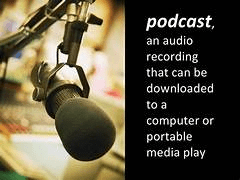
Podcasts or Audio Recordings:
Provide audio recordings or podcasts that explain the concepts. Auditory learners can listen and absorb information effectively through sound.
Kinesthetic Learners:
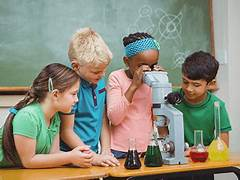
Hands-On Experiments:
Allow kinesthetic learners to engage in hands-on experiments related to fair tests. They can physically manipulate objects and observe the outcomes.
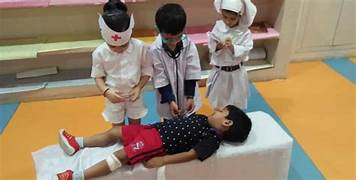
Role-Playing:
Use role-playing activities to simulate cooperative learning scenarios. Kinesthetic learners can act out different roles in a group, enhancing their understanding of teamwork.
Reading/Writing Learners:
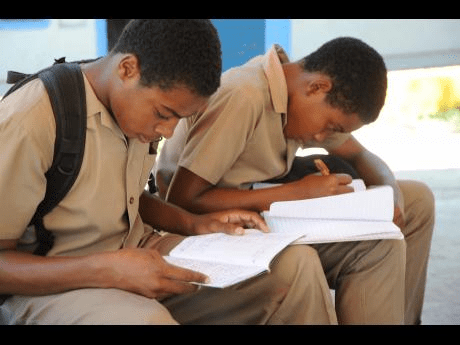
Written Assignments:
Assign written tasks where students need to explain the steps of a fair test or reflect on their experiences with cooperative learning. Provide written materials that they can study and reference.
Journals or Note-Taking:
Encourage students to keep journals or take notes during class discussions and activities. This allows them to process and absorb information through writing.

Diverse Classroom:
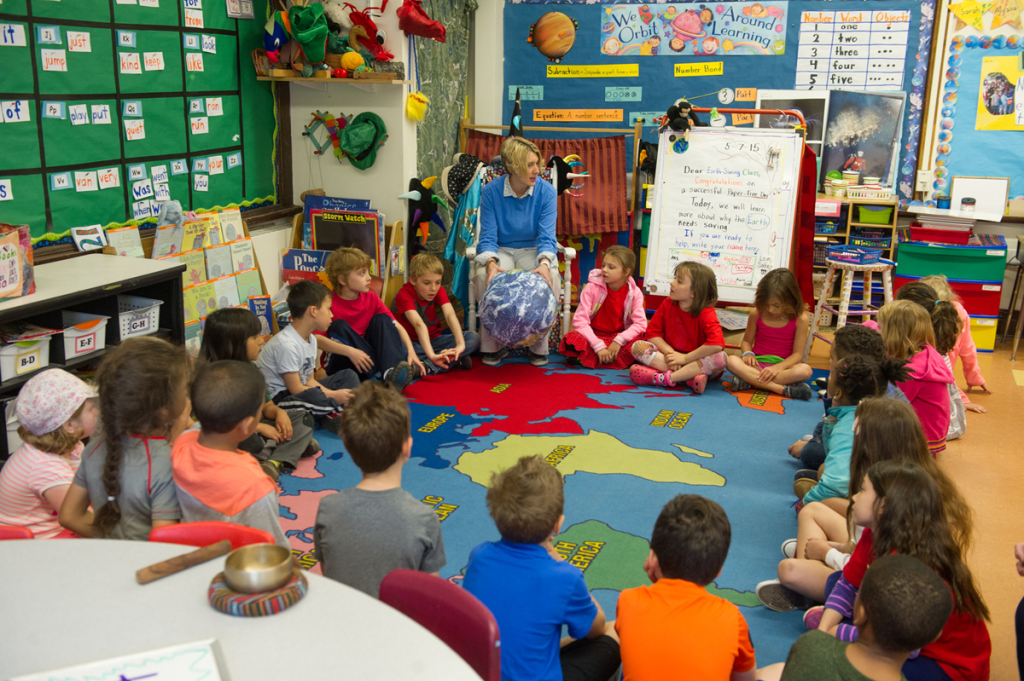
Group Diversity: When forming cooperative learning groups, consider diverse factors such as learning styles, abilities, and backgrounds. This encourages students to work with peers who have different perspectives and strengths.
Role Rotation: During cooperative learning activities, assign different roles within groups (e.g., leader, timekeeper, note-taker). This accommodates diverse skills and allows students to take on roles that suit their strengths.
Multimodal Instruction: Combine various teaching methods throughout the lesson plan to address the needs of diverse learners. For example, use a combination of visual aids, class discussions, and hands-on activities.
Flexible Assessment: Allow students to demonstrate their understanding and mastery of fair tests and cooperative learning in ways that align with their strengths. Offer options for assessments, such as written reports, presentations, or visual projects.
By incorporating these suggestions and activities, you can create a more inclusive and engaging learning environment that accommodates the diverse needs and learning styles of your students.
Examples/case studies illustrating the application the above strategies
Here are specific examples and case studies that illustrate the application of fair tests and cooperative learning in a diverse classroom with different learning styles:
Fair Tests for Diverse Learning Styles:
Scenario: In a fourth-grade science class, the teacher wants to teach the concept of fair tests while accommodating diverse learning styles.
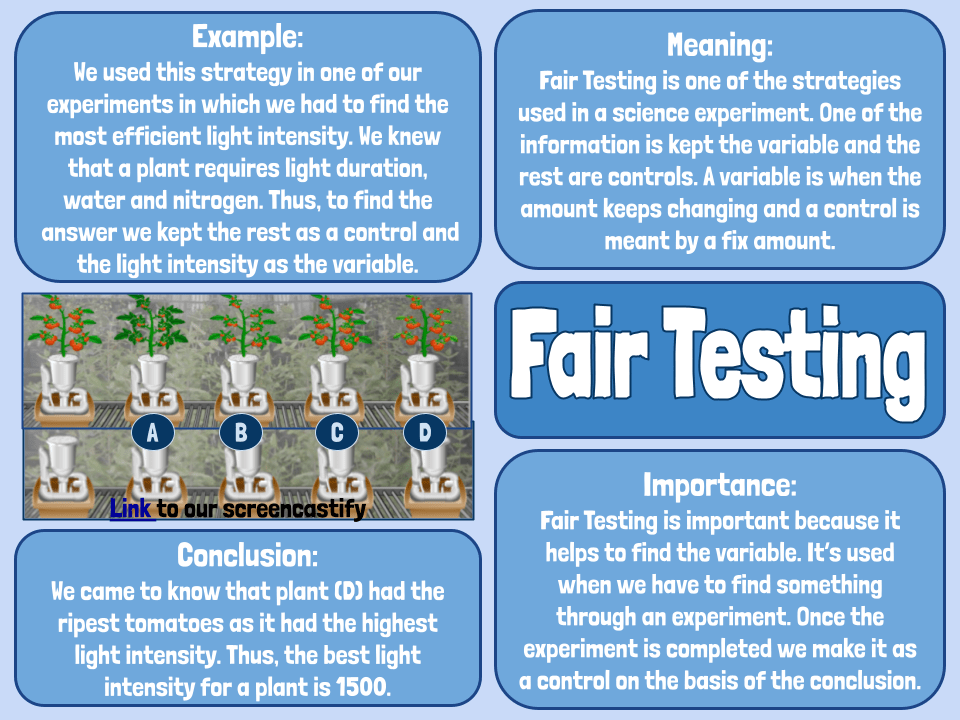
- Visual Learners: Provide visual aids, such as diagrams and flowcharts, to visually represent the steps of a fair test. For example, draw a diagram showing the elements of a fair test: variable, constants, observation, and conclusion.
- Auditory Learners: Conduct an interactive class discussion. Pose questions like, “Why do we need fair tests?” Auditory learners can participate by explaining their understanding verbally.
- Kinesthetic Learners: Organize a hands-on experiment. Students can conduct a fair test to determine if different types of soil affect plant growth. They physically plant seeds, water them, and measure growth.
Cooperative Learning for Diverse Learning Styles:
Scenario: In a diverse classroom with varying learning styles, the teacher wants to promote cooperative learning effectively.
- Visual Learners: Assign a group research project where visual learners create posters or infographics summarizing their findings. For instance, they might research a historical event and visually depict its key points.
- Auditory Learners: Encourage discussions and debates. Assign a topic, and groups must present their arguments orally. Auditory learners thrive in this environment as they can engage in meaningful conversation.
- Kinesthetic Learners: Implement role-play or hands-on activities. For example, in a history class, students can reenact historical events or simulate scientific experiments. Kinesthetic learners benefit from this tactile engagement.
Inclusive Assessment:
Scenario: The teacher needs to assess students’ understanding of fair tests and cooperative learning while accommodating diverse learning styles.
- Visual Learners: Allow them to create concept maps or diagrams explaining the steps of a fair test or the principles of cooperative learning. This visual representation helps them showcase their comprehension.
- Auditory Learners: Organize a group discussion or debate where they can verbalize their understanding. This can be assessed by their active participation and the quality of their contributions.
- Kinesthetic Learners: Create a hands-on assessment task. For example, students can design a fair test related to a real-world problem or engage in a cooperative group project where they physically build something based on their learning.
These examples demonstrate how educators can tailor fair tests and cooperative learning activities to accommodate diverse learning styles within a classroom. By providing multiple pathways for students to engage with the content, teachers can foster an inclusive and effective learning environment that caters to the needs and preferences of all learners.
Additional Resources/references for teachers
Here are some additional resources and references for teachers to explore further on the topics of fair tests and cooperative learning:
Fair Tests:
- NSTA (National Science Teaching Association) Resources: NSTA offers a range of resources and articles on conducting fair tests and experiments in science education. Visit their website for valuable insights: NSTA Fair Tests Resources
- Teaching Channel – Fair Testing Video: This video explores the concept of fair tests and how to implement them effectively in the classroom. It provides practical tips for teachers: Teaching Channel Fair Testing Video
Cooperative Learning:
- Edutopia – Cooperative Learning Resources: Edutopia offers a wealth of articles, videos, and guides on cooperative learning strategies and techniques. Explore their collection here: Edutopia Cooperative Learning
- Kagan Online: Kagan is a renowned provider of cooperative learning strategies and resources for educators. Their website includes research articles, books, and training materials: Kagan Online
Inclusive Teaching and Learning:
- CAST (Center for Applied Special Technology): CAST offers a range of resources for inclusive teaching, including Universal Design for Learning (UDL) principles. Explore their resources for making learning accessible to all students: CAST Inclusive Teaching Resources
- Teaching Tolerance: Teaching Tolerance provides resources, lesson plans, and articles focused on promoting inclusive classrooms and addressing issues related to diversity and social justice: Teaching Tolerance
Professional Organizations:
- National Council of Teachers of Mathematics (NCTM): NCTM provides resources and publications related to math education, including cooperative learning strategies: NCTM Resources
- National Council of Teachers of English (NCTE): NCTE offers resources and articles on literacy education, which often includes cooperative learning approaches: NCTE Resources
These resources cover a wide range of topics related to fair tests, cooperative learning, and inclusive teaching practices. They can provide valuable guidance and ideas for educators looking to enhance their classroom strategies and cater to the diverse needs of their students.
Assessing and Evaluating students’ understanding of Fair Tests and Cooperative Learning
Assessing and evaluating students’ understanding of fair tests and cooperative learning is essential to gauge their mastery of these concepts. Here are guidelines for creating rubrics and criteria for evaluation for both fair tests and cooperative learning:
Assessment of Understanding Fair Tests:
Rubric for Fair Test Assessment:
| Criteria | Exemplary (4) | Proficient (3) | Basic (2) | Limited (1) |
|---|---|---|---|---|
| Identifying Variables | Accurately identifies and clearly explains the independent and dependent variables, as well as controlled variables. | Identifies the independent and dependent variables and most controlled variables with clarity. | Identifies the independent and dependent variables but lacks clarity or misses some controlled variables. | Does not accurately identify the variables or their roles in the experiment. |
| Planning Fair Test | Develops a detailed and well-organized plan, including a hypothesis, materials, procedures, and data collection methods. | Creates a coherent plan with a hypothesis, materials, procedures, and data collection methods, with minor omissions or lack of detail. | Develops a plan with noticeable gaps in detail or organization. | Plan is incomplete, lacks organization, or does not include key elements. |
| Conducting Fair Test | Executes the experiment precisely as planned, with precise measurements, minimal errors, and adherence to safety precautions. | Conducts the experiment mostly as planned, with some minor errors or deviations from the plan. | Conducts the experiment with significant errors or deviations from the plan. | Fails to conduct the experiment correctly or safely. |
| Data Collection and Analysis | Collects thorough and accurate data, creates detailed tables and graphs, and draws meaningful conclusions supported by evidence. | Collects data, creates tables and graphs, and draws conclusions with some minor inaccuracies or omissions. | Collects data but with significant inaccuracies or lacks tables/graphs, and conclusions may not be fully supported. | Fails to collect data or create tables/graphs, and conclusions are unsupported or incorrect. |
| Conclusion and Reflection | Provides a comprehensive and insightful conclusion, reflecting on the results, possible sources of error, and improvements for future experiments. | Provides a conclusion with some reflection but may lack depth or detail. | Offers a basic conclusion with minimal reflection. | Conclusion lacks depth or is missing, and reflection is minimal or absent. |
Assessment of Understanding Cooperative Learning:
Rubric for Cooperative Learning Assessment:
| Criteria | Exemplary (4) | Proficient (3) | Basic (2) | Limited (1) |
|---|---|---|---|---|
| Active Participation | Actively participates in group discussions, contributes ideas, and listens attentively to others. | Participates in group discussions, contributes ideas, and listens, but may not always be fully engaged. | Participates passively in discussions, occasionally contributing ideas, and may not always listen attentively. | Demonstrates minimal or no participation, lacks engagement, and rarely contributes ideas. |
| Teamwork and Collaboration | Collaborates effectively, respects diverse opinions, and supports team members. Encourages collaboration among group members. | Collaborates well, respects diverse opinions, and supports team members but may occasionally encounter minor conflicts. | Collaborates but may not consistently respect diverse opinions or occasionally encounters conflicts. | Fails to collaborate effectively, does not respect diverse opinions, and frequently encounters conflicts. |
| Problem-Solving | Actively engages in group problem-solving activities, contributes to solutions, and helps the group overcome challenges. | Engages in problem-solving activities, contributes to solutions, and assists in overcoming challenges but may require occasional guidance. | Participates in problem-solving but may not consistently contribute to solutions or require significant guidance. | Does not actively engage in problem-solving, rarely contributes to solutions, and frequently requires guidance. |
| Communication Skills | Communicates effectively, articulates ideas clearly, and actively listens to group members. | Communicates clearly but may occasionally struggle to articulate ideas or actively listen. | Communicates with some difficulty, and articulation or active listening may be limited. | Communication is unclear or significantly hinders group discussions. |
| Completion of Group Tasks | Consistently completes assigned tasks and responsibilities within the group, ensuring the group’s success. | Completes assigned tasks and responsibilities within the group but may require occasional reminders. | Completes assigned tasks inconsistently, leading to some delays or setbacks for the group. | Rarely completes assigned tasks, resulting in significant delays or setbacks for the group. |
These rubrics and evaluation criteria provide a structured framework for assessing students’ understanding of fair tests and cooperative learning. Teachers can adapt these rubrics to fit their specific classroom objectives and student learning outcomes.
As we draw this exploration to a close, it’s essential to revisit the key points and highlight the profound benefits that emerge when teachers embrace diverse learning styles in their classrooms.
By tailoring instruction to accommodate diverse learning styles, teachers open doors for every student to flourish. Here’s why these suggestions matter:
- Inclusivity and Equity: Addressing diverse learning styles fosters an inclusive environment where each student’s unique strengths are celebrated. It levels the playing field, ensuring that no one is left behind.
- Engagement and Motivation: When students encounter lessons that align with their preferred learning styles, they become more engaged and motivated. Learning becomes a journey they eagerly embark upon.
- Comprehensive Understanding: Catering to diverse learning styles promotes a deeper and more comprehensive understanding of the subject matter. Students grasp concepts from multiple angles, reinforcing their knowledge.
- Holistic Development: Beyond academic growth, students also develop essential life skills. They learn how to adapt, collaborate, and communicate effectively—skills that serve them well beyond the classroom.
- Confidence Building: Success breeds confidence. As students experience achievements tailored to their styles, their self-assurance soars, motivating them to tackle even more challenging tasks.
- Teacher Satisfaction: Teachers find satisfaction in witnessing their students’ progress and growth. Tailoring instruction to diverse learning styles transforms teaching into a dynamic and rewarding journey.
Incorporating these suggestions is a win-win for both teachers and students. It transforms classrooms into inclusive spaces where every student has the opportunity to thrive, learn, and discover their unique potential. As we champion diversity in learning styles, we’re not just preparing students for academic success; we’re nurturing well-rounded individuals ready to face the complexities of the world with confidence and competence.
Now, armed with the knowledge and strategies to address diverse learning styles in your classroom, it’s time to take action. As educators, you have the power to create inclusive and dynamic learning environments that cater to every student’s unique strengths and preferences.
Here’s what you can do:
- Implement These Strategies: Start by integrating the suggestions outlined in this post into your teaching practices. Tailor your lessons to accommodate diverse learning styles, engage your students in various ways, and watch them thrive.
- Reflect and Adapt: Continuously reflect on your teaching methods and adapt them to better suit the needs of your diverse classroom. Be open to feedback from your students and colleagues.
- Share Your Experiences: We encourage you to share your experiences, challenges, and successes in the comments section below. Your insights can inspire and guide fellow educators on their journey to address diverse learning styles.
- Collaborate and Learn: Reach out to your teaching community, both online and offline. Collaborate with other educators to exchange ideas, strategies, and resources. Together, you can create an even more inclusive and enriching educational environment.
- Advocate for Inclusivity: Advocate for inclusivity in education. Share the importance of addressing diverse learning styles with your colleagues, administrators, and educational policymakers. Your voice can drive positive change.
Remember, by embracing diversity in learning styles, you not only enhance the educational experience for your students but also empower them to become confident, adaptable, and lifelong learners. Your dedication to inclusive teaching transforms lives and shapes a brighter future.
 Read It Yourself Educational Resources