Word problems serve as the bridge between abstract mathematical concepts and real-life applications. By presenting math in a contextualized manner, word problems challenge students to apply their knowledge of basic operations—addition, subtraction, multiplication, and division—to solve practical scenarios.
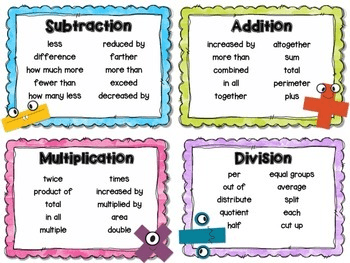
In this blog post, we will explore the significance of word problems and delve into various examples that will help you master these fundamental mathematical operations.
Why Word Problems Matter:
Word problems provide a meaningful context for learning and practicing basic operations. They encourage critical thinking, problem-solving skills, and the ability to interpret and analyze information. By connecting math to real-life situations, word problems foster a deeper understanding of how mathematical concepts are relevant and applicable in everyday life.
Addition Word Problems:
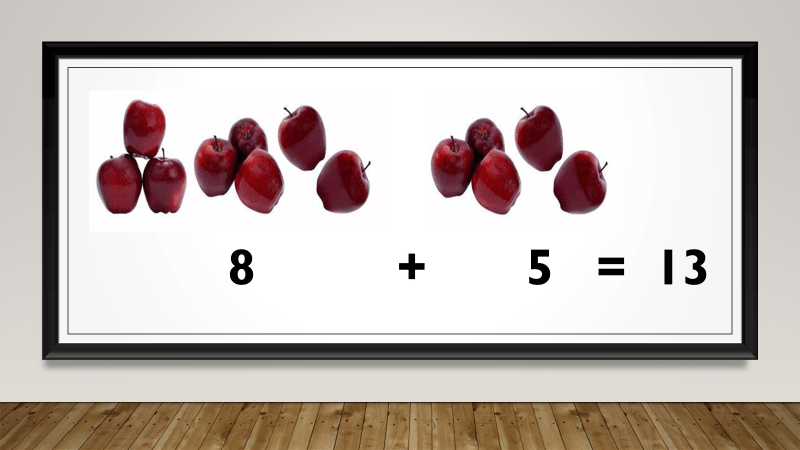
a) Sarah has 8 apples, and John gives her 5 more. How many apples does Sarah have now?
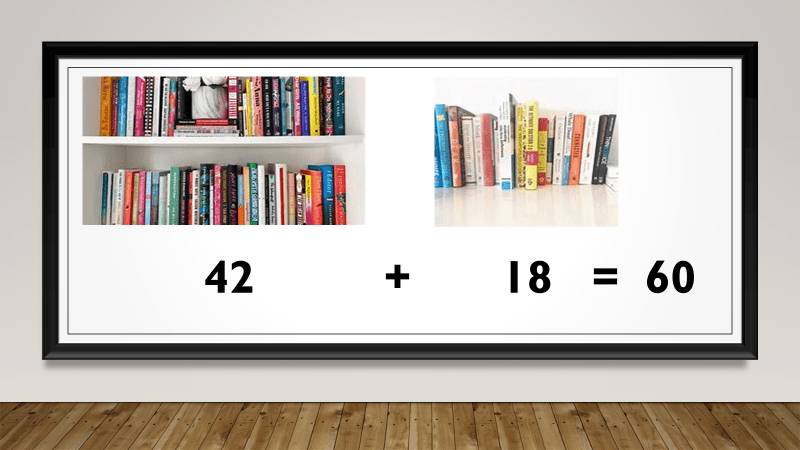
b) A bookstore had 42 books on its shelf. They received a shipment of 18 more books. How many books are there in total?
Subtraction Word Problems:
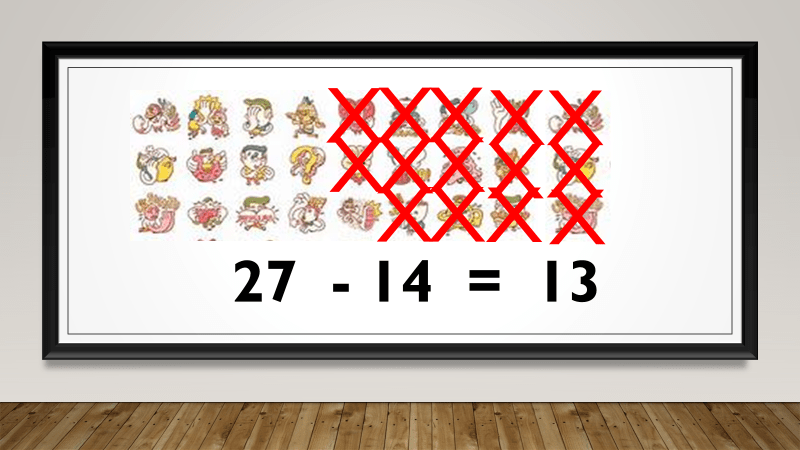
a) Emily had 27 stickers, but she gave away 14. How many stickers does Emily have left?
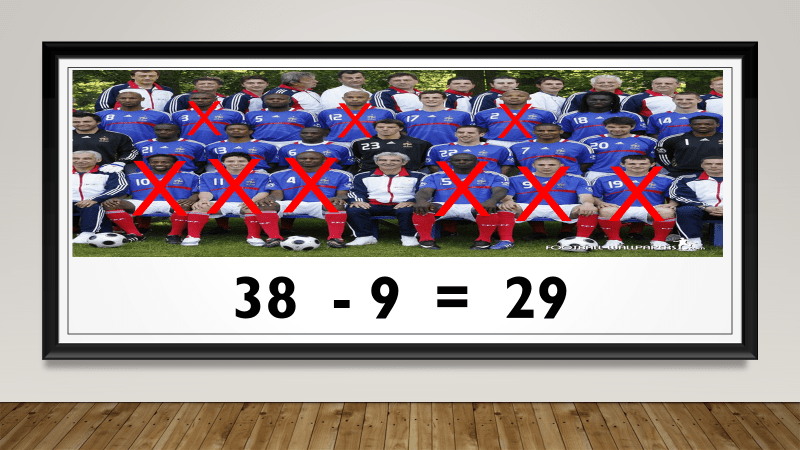
b) A soccer team had 35 players, but 9 of them left. How many players are still on the team?
Multiplication Word Problems:
a) There are 5 boxes, and each box contains 12 pencils. How many pencils are there in total?
b) A garden has 8 rows of flowers, with 6 flowers in each row. How many flowers are there in the garden?
Division Word Problems:
a) There are 48 cookies, and they need to be distributed equally among 6 children. How many cookies will each child receive?
b) A box contains 36 candies, and they are to be divided equally among 9 friends. How many candies will each friend get?
Strategies for Solving Word Problems:
a) Read the problem carefully, identifying key information and what needs to be solved.
b) Determine which operation(s) are needed based on the question being asked.
c) Set up the problem using equations or diagrams to represent the given information.
d) Perform the necessary calculations and find the solution. e) Check your answer to ensure it makes sense in the context of the problem.
Practice Tips for Mastering Word Problems:
a) Start with simpler word problems and gradually increase the complexity.
b) Work on a variety of problem types to enhance your understanding and adaptability.
c) Create your own word problems to reinforce your understanding of basic operations.
d) Collaborate with classmates or seek guidance from teachers or tutors when encountering challenging problems.
e) Regularly review and practice word problems to solidify your skills over time.
Word problems are an integral part of mathematics education, offering a practical and engaging approach to mastering basic operations. By practicing word problems, students develop critical thinking, problem-solving, and analytical skills that are applicable beyond the realm of mathematics. Embrace the challenges posed by word problems, and use the strategies and examples provided in this blog post to enhance your proficiency in addition, subtraction, multiplication, and division. With consistent practice and a solid understanding of basic operations, you’ll be well-equipped to tackle any word problem that comes your way.
See related Topics:
Steps for word problem success
Writing and Solving Two-Step Word Problems
RUCSAC Problem Solving Strategy: A Guide to Conquer Any Challenge
20 word problems using the four basic operations
The Four Basic Operations in Mathematics: Building Blocks for Number Mastery
 Read It Yourself Educational Resources