Focus Question 1: Why is it important to have a balanced diet?
What is a balanced diet?
A balanced diet is a diet that provides all the essential nutrients in the right amounts to support proper growth, maintenance, and functioning of the body. It includes a variety of foods from all the major food groups in recommended amounts to meet the body’s needs for energy, macronutrients (carbohydrates, proteins, and fats), and micronutrients (vitamins and minerals).
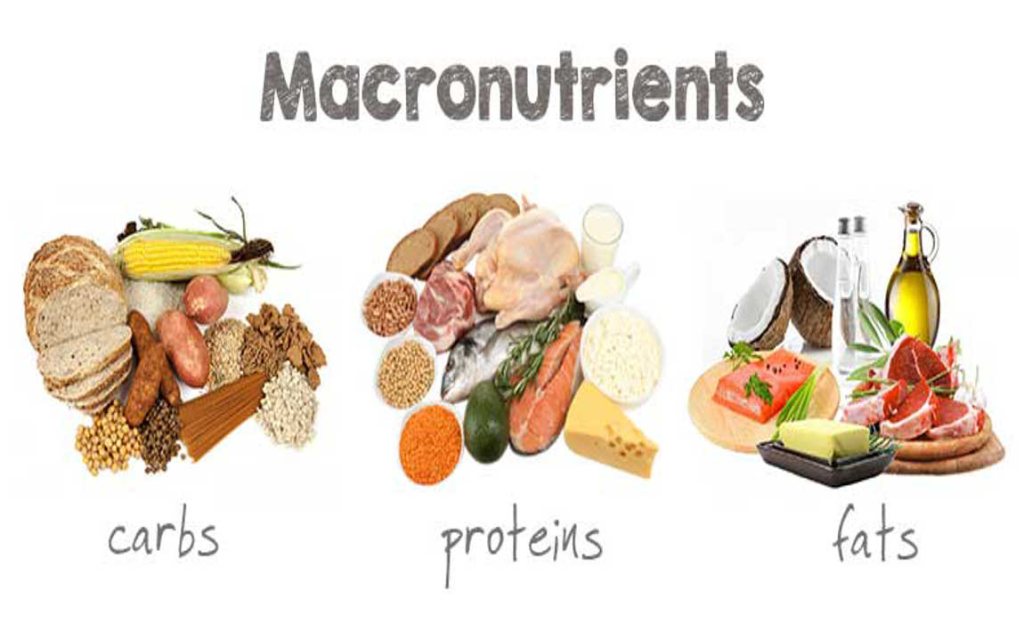
Macronutrients are nutrients that our body needs in large amounts to maintain body functions and carry out daily life activities: Carbohydrate, Protein, Fat.
It’s important to know how they operate in order to achieve your health and fitness goals effectively.

A balanced diet typically includes:
- Fruits and vegetables for vitamins, minerals, and fiber
- Whole grains for carbohydrates, fiber, and B vitamins
- Lean protein sources such as poultry, fish, beans, and nuts for protein, iron, and other essential nutrients
- Low-fat dairy products for calcium and other essential nutrients
- Healthy fats such as olive oil, avocado, and nuts for energy and essential fatty acids
A balanced diet helps to maintain a healthy weight, reduce the risk of chronic diseases such as heart disease and diabetes, and promote overall health and wellbeing. It is important to choose a variety of foods within each food group to ensure that all nutrient needs are met.
What is an unbalanced diet?
An unbalanced diet is a diet that does not provide all the essential nutrients in the right amounts to support proper growth, maintenance, and functioning of the body. This can occur when a person eats too much or too little of certain foods or food groups, or when they consume a lot of unhealthy foods that are high in calories, sugar, and unhealthy fats but low in essential nutrients.
An unbalanced diet can lead to various health problems, including malnutrition, obesity, diabetes, heart disease, and other chronic conditions. For example, a diet that is high in calories and unhealthy fats but low in fruits, vegetables, and whole grains can increase the risk of obesity, heart disease, and diabetes. A diet that lacks protein, iron, and other essential nutrients can lead to malnutrition and other health problems.
It is important to note that an unbalanced diet can occur in different ways for different people based on their individual needs, preferences, and cultural and socioeconomic backgrounds. Therefore, it is important to aim for a balanced diet that meets one’s individual needs and preferences, and to seek guidance from a qualified healthcare professional or a registered dietitian if necessary.
Obesity, Diabetes, and Malnutrition
Obesity, diabetes, and malnutrition are all health conditions that can result from an unhealthy diet and lifestyle:
- Obesity is a medical condition characterized by excessive body fat accumulation that increases the risk of other health problems. It is usually diagnosed using the body mass index (BMI), a measure of body weight relative to height. A BMI of 30 or higher indicates obesity. Obesity is associated with an increased risk of cardiovascular disease, diabetes, and certain types of cancer.
- Diabetes is a chronic disease that occurs when the body cannot properly regulate blood sugar levels. This can happen when the body does not produce enough insulin, the hormone that regulates blood sugar, or when the body does not use insulin properly. Diabetes can lead to a wide range of health problems, including cardiovascular disease, nerve damage, kidney damage, and blindness.
- Malnutrition occurs when the body does not receive enough nutrients from the diet to support proper growth, maintenance, and functioning. Malnutrition can result from not consuming enough calories, consuming too many calories, or not consuming the right balance of nutrients. Malnutrition can lead to a range of health problems, including stunted growth, weakened immune system, anemia, and other deficiencies.
All three of these conditions can be prevented or managed through healthy eating habits and lifestyle choices, including consuming a balanced diet that includes a variety of foods from all food groups in appropriate amounts, maintaining a healthy weight, engaging in regular physical activity, and managing stress levels.
Lifestyle changes to reduce the risk of diabetes includes:
- Monitor starches, sugar and fats intake.
- Reduce weight
- Engage in regular physical activities
- Eat well balanced healthy diet
- Drink at least six to eight glasses of water daily.
- Monitor Blood sugar frequently.
 Read It Yourself Educational Resources
Loved this post – heress my feedback –
Looking To Tone Up? Lose Extra lb’s Just By Changing What You Eat?
Download Over 50 Keto Recipes , Unleash The Flavours – http://ketodietrecipes.co.uk/
LikeLike
Loved this post – heress my feedback –
alsandfiber, whole grains for energy, lean proteins for muscle growth and repair, and healthy fats for brain function and overall health. It’s crucial to have a balanced diet because it provides our body with the necessary nutrients to function properly and maintain good health. This article does an excellent job of explaining the importance of a balanced diet and the different nutrients required for optimal health. It’s a great resource for anyone looking to improve their overall health and well-being.
Stay Blessed – Mel
ps If i May Add , My New Delicious Keto Recipes Blog Is NOW LIVE – http://www.ketodietrecipes.co.uk Please Follow & Leave A Like
LikeLike