Deposit Slips
A deposit slip is a document that a customer uses to deposit funds into a bank account. The deposit slip provides important information about the deposit, including the account number, the date, and the amount being deposited.
Mathematics – Lesson Plan(Gr.6-wk1)
The purpose of a deposit slip is to ensure that the funds are deposited into the correct account and that the bank has accurate information about the transaction. The deposit slip typically includes several sections, such as the account holder’s name and address, the account number, the date of the deposit, the amount being deposited (in both numerical and written form), and any other relevant information, such as the source of the funds.
Once the customer completes the deposit slip, they usually submit it along with the funds (e.g., cash, check) to a bank teller or use a deposit ATM. The bank will then process the deposit and credit the funds to the appropriate account.
Overall, deposit slips are an important tool for ensuring that funds are deposited accurately and efficiently, and they provide an important record of the transaction for both the customer and the bank.
Patrs of a Deposite Slip
A deposit slip typically includes the following parts or sections:
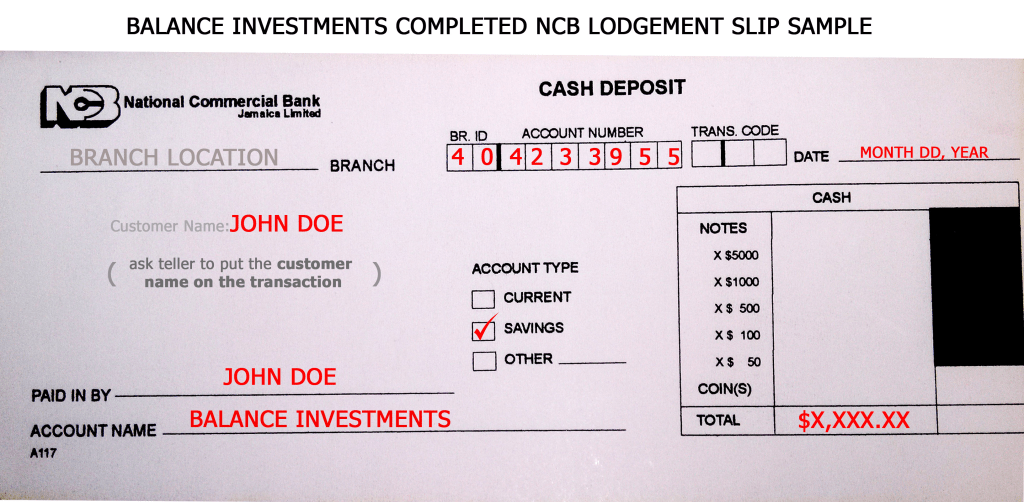
- Account holder information: This section includes the name, address, and account number of the individual or business making the deposit. This information helps the bank identify the account and ensure that the funds are deposited into the correct account.
- Deposit information: This section includes details about the deposit, such as the date of the deposit and the amount being deposited. The amount is usually written in both numerical and written form, to help prevent errors or misunderstandings.
- Itemized list: This section includes a list of the items being deposited, such as cash, checks, or money orders. For each item, the deposit slip may ask for additional information such as the check number, the issuing bank, and the amount.
- Total deposit: This section includes the total amount of the deposit, which is usually the sum of the individual items listed in the previous section.
- Bank use only: This section is for the bank’s use only and may include information such as the teller’s name, the date and time the deposit was processed, and any adjustments made to the deposit.
It’s important to fill out a deposit slip accurately and completely to ensure that the funds are deposited correctly and efficiently. If there are any errors or omissions on the deposit slip, it can delay the processing of the deposit or result in the funds being deposited into the wrong account.
Demonstration of how to fill out a deposit slip
Here is a step-by-step guide on how to fill out a deposit slip:
Step 1: Fill in your account information In the top section of the deposit slip, fill in your account information, including your name, address, and account number. Make sure to double-check your account number to avoid any errors.

Step 2: Write the date Write the date of the deposit in the space provided.
Step 3: List the items being deposited In the “Itemized List” section, list each item being deposited. For example, if you are depositing two checks and some cash, write “Check” or “Cash” in the first column and the amount in the second column. If you have more than one check, write the check number and the amount in the second column. Be sure to add up the total amount of all items being deposited.
Step 4: Calculate the total deposit In the “Total Deposit” section, add up the total amount of all items being deposited and write the total in both numerical and written form.
Step 5: Sign the deposit slip Sign the deposit slip in the space provided, confirming that you agree with the deposit amount and that you understand the bank’s policies regarding holds and other issues.
Step 6: Keep a copy for your records Before submitting the deposit slip to the bank, make a copy for your records.
Remember, it’s important to fill out the deposit slip accurately and completely to ensure that the funds are deposited correctly and efficiently. If you have any questions or concerns about filling out the deposit slip, don’t hesitate to ask a bank representative for assistance.
Practice exercise for students to fill out a deposit slip
Here is a practice exercise for students to fill out a deposit slip:
Provide blank deposite slips for your students:

Jane Smith has $300 in cash and two checks: one for $150 and another for $75. She wants to deposit all of this money into her checking account. Using the information provided, fill out a deposit slip for Jane.
Account Holder Information: Name: Jane Smith Address: 123 Main Street Account Number: 123456789
Itemized List:
- Cash: $300
- Check: $150
- Check: $75
Total Deposit: Numerical: $525 Written: Five hundred twenty-five dollars
Bank Use Only: Leave blank
Once your students have filled out the deposit slip, you can go over it with them to check for accuracy and make sure they have included all necessary information. This exercise can help students become more comfortable with the process of filling out a deposit slip and improve their understanding of financial transactions.
Please see Part 1 of this lesson: Financial Institutions – Part 1
See Grade 4 Tier 1, 2 and 3 Activities and understanding division terms
 Read It Yourself Educational Resources
Fantastic Read heres my feedback ! …
their funds to a bank teller or through an ATM. Deposit slips are a crucial tool in ensuring that banking transactions are accurate and efficient. By providing all the necessary information about the deposit, deposit slips help to prevent errors and ensure that funds are deposited into the correct account. Overall, deposit slips are an important part of banking that helps to make the process of depositing funds simple and secure.
Thanks – PomKing
http://www.pomeranianpuppies.uk
LikeLike