Here are some assessment ideas for the activities focused on the basic needs of living things, tailored for different grade levels:
Kindergarten
Verbal Assessment
After a story time session, ask students to verbally share one need and one want they remember from the story. Use a checklist to track participation.

Collage Presentation
Have students present their collages to the class, explaining one living thing in their collage and its basic needs. Assess their understanding based on clarity and accuracy.
1st Grade
Matching Game Evaluation
Observe and assess students during the matching game. Check if they can correctly match living things with their needs. Provide feedback on their reasoning.

Needs and Wants Chart
Collect and review the class needs and wants chart. Assess individual contributions and understanding of the difference between needs and wants.
2nd Grade
Observation Journal Review
Review students’ science journals documenting their plant growth experiments. Assess their observations for accuracy and completeness regarding what plants need to grow.
Sorting Activity Reflection
After the sorting activity, ask students to explain why they categorized certain items as needs or wants. Use a rubric to assess their reasoning.
3rd Grade
Research Presentation Rubric
Create a rubric for the research project presentations assessing content accuracy, creativity, and presentation skills. Provide feedback based on these criteria.
Debate Participation
Assess students during the need vs. want debate based on their ability to articulate their arguments, listen to others, and engage in respectful discussion.
4th Grade
Nature Journal Assessment
Review students’ nature journals from the field trip. Assess their observations of plants and animals, focusing on the accuracy of the basic needs they noted.
Diorama Evaluation
Use a rubric to assess the dioramas based on creativity, accuracy of the habitat, and clarity in labeling the basic needs of the living things included.
5th Grade
Ecosystem Simulation Reflection
After the simulation, have students write a reflective paragraph about their role and the importance of basic needs in the ecosystem. Assess for understanding and insight.
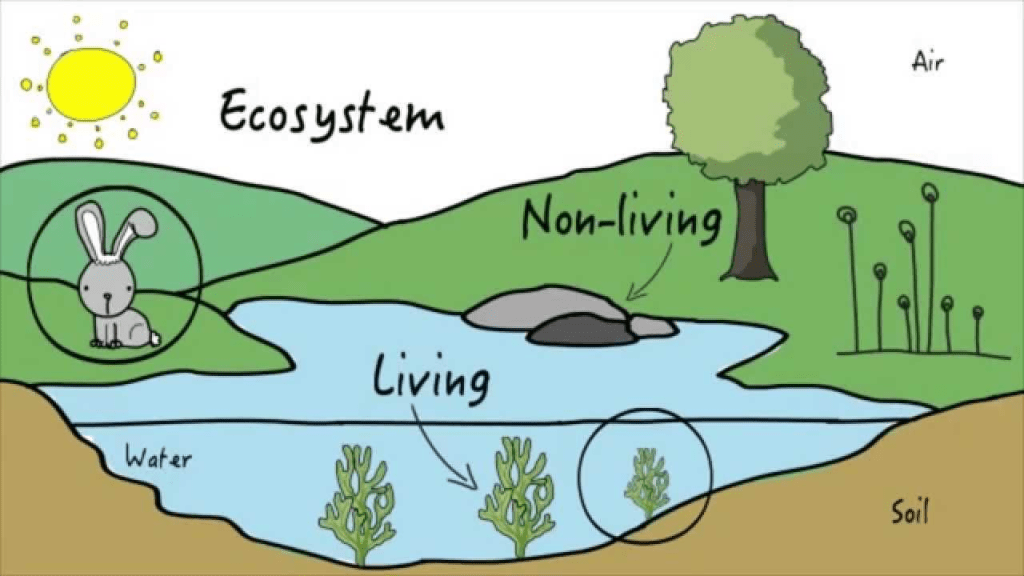
Research Paper Grading
Use a rubric to assess the research papers on ecosystems, focusing on content accuracy, depth of analysis, organization, and writing mechanics.
6th Grade
Environmental Impact Project Presentation
Assess the multimedia presentations using a rubric that evaluates research depth, presentation clarity, engagement, and the ability to answer questions.
Comparative Analysis Venn Diagram
Evaluate the Venn diagrams for accuracy and completeness. Assess how well students compared the basic needs of different organisms and provided explanations.
These assessment ideas will help educators gauge student understanding of the basic needs of living things through a variety of methods, ensuring that assessments are appropriate for the grade level and aligned with the activities.
 Read It Yourself Educational Resources