Grade Four: Term 1 Unit 1 – Week 1 Day 1
Lesson Objectives: Students should be able to:
- State what is science and who are scientists
- Identify some skills and attitudes of scientists.
Introduction to Science
Hello, young explorers! 🌟 Have you ever wondered why the sky is blue, how plants grow, or what makes a rainbow? All these wonders and more are part of an amazing field called science. But what exactly is science, and who are the people behind all these discoveries? Let’s dive in and find out!
What is Science?
Science is all about exploring, discovering, and understanding the world around us. It is a way of learning about everything from the tiniest ants to the vast universe. Science helps us answer questions like:
- Why do we need to eat?
- How does a car work?
- What makes the stars twinkle at night?
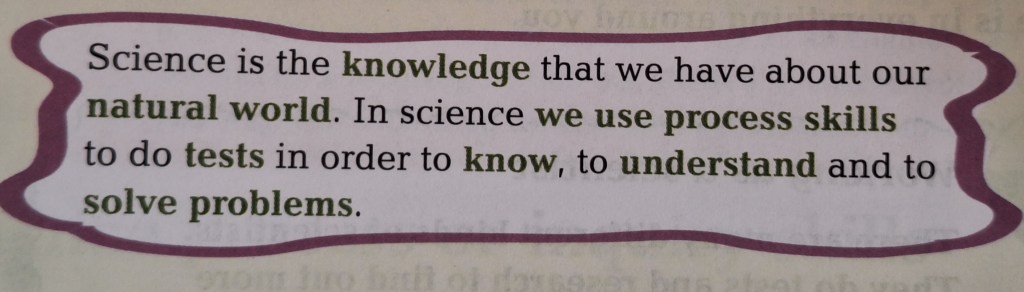
To put it simply, science is the study of the natural world through observation and experimentation. It’s like being a detective, where you ask questions, collect clues, and find answers!
Who are Scientists?
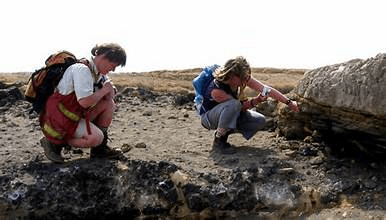
Now that we know what science is, let’s talk about the people who do science. These amazing people are called scientists. A scientist is someone who studies the world around us to understand how things work. Scientists can be found in many places, doing many different things. Here are a few examples:



Skills and Attitudes of Scientists
To be a great scientist, you need certain skills and attitudes. Here are some important ones:

Curiosity: Always ask questions about the world around you.
Observation: Pay close attention to details and notice even small changes.
Experimentation: Test your ideas and see what happens.
Patience: Sometimes, finding the answer takes time.
Open-mindedness: Be willing to accept new ideas, even if they are different from what you expected.
Critical thinking: Analyze information carefully and make reasoned conclusions.
Creativity: Think of new ways to solve problems and test ideas.

Science in Everyday Life
Science is not just for scientists in labs; it’s for everyone! Every time you cook food, play with a magnet, or watch plants grow, you are using science. Here are a few ways science affects our daily lives:

Medicine: Science helps doctors understand how our bodies work and find cures for diseases.
Technology: From smartphones to the internet, science has led to amazing inventions that make our lives easier.

Environment: Science teaches us how to take care of our planet and understand the effects of pollution.
Why is Science Important?
Science is crucial because it helps us understand the world and improve our lives. It leads to new discoveries and technologies that can solve problems and make our lives better. For example, science helps us:
- Create new medicines to keep us healthy.
- Develop renewable energy sources to protect our planet.
- Invent gadgets that make our daily tasks easier and more fun.

Using Science Terms
Let’s practice using some science terms correctly:
- Observation: Carefully watching something to gather information.
- Experiment: A test done to learn more about something.
- Hypothesis: An educated guess that can be tested by an experiment.
- Data: Facts and information collected during an experiment.
- Conclusion: The final result or decision based on the data collected.

Science is a fantastic adventure that helps us understand the world we live in. By being curious, observing carefully, and experimenting, we can all be scientists in our own way. Remember, science is not just for experts in white lab coats; it’s for everyone, including you!
So, keep asking questions, exploring new things, and you might just make the next big discovery. Who knows, you might be the next great scientist the world is waiting for!
 Read It Yourself Educational Resources