The Essential Harmony:
In the intricate web of life, few relationships are as fundamental as the symbiosis between humans and the natural world. At the heart of this intricate dance lies the profound necessity of plants and animals for food—a timeless bond that sustains us, nourishes us, and connects us to the very essence of life itself. In this blog post, we unravel the multifaceted reasons why plants and animals are indispensable for our food supply, exploring the intricate balance that underpins our existence.

Vital Nutrition for Body and Mind
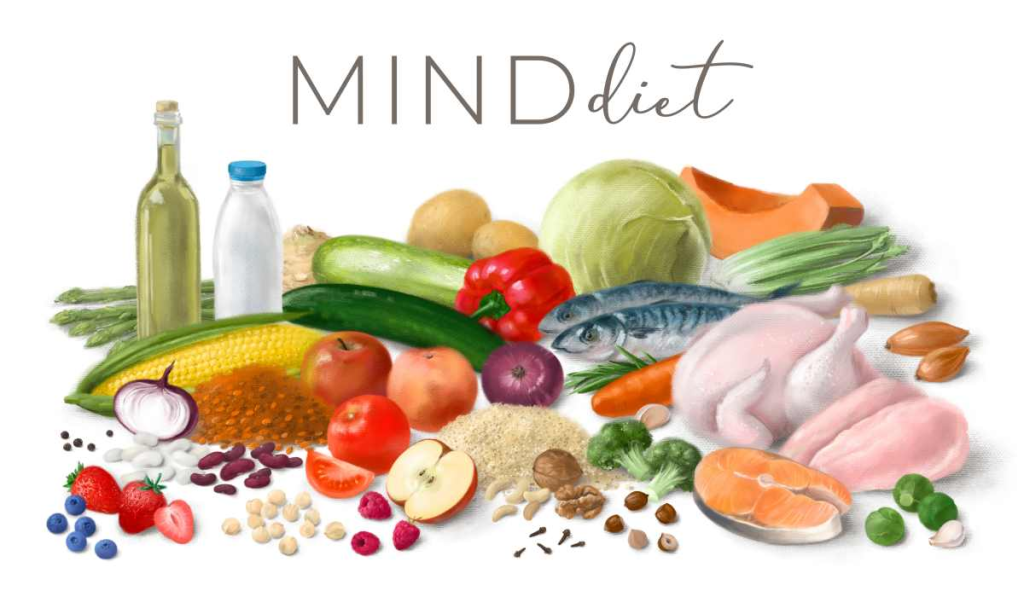
Plants and animals form the cornerstone of a balanced and nutritious diet, providing essential nutrients, vitamins, and minerals that are crucial for our physical and mental well-being. From the protein-rich meats and dairy products to the fiber-packed fruits and vegetables, the diversity of foods derived from plants and animals ensures that we receive the nourishment we need to thrive.
2. Sustainable Food Systems
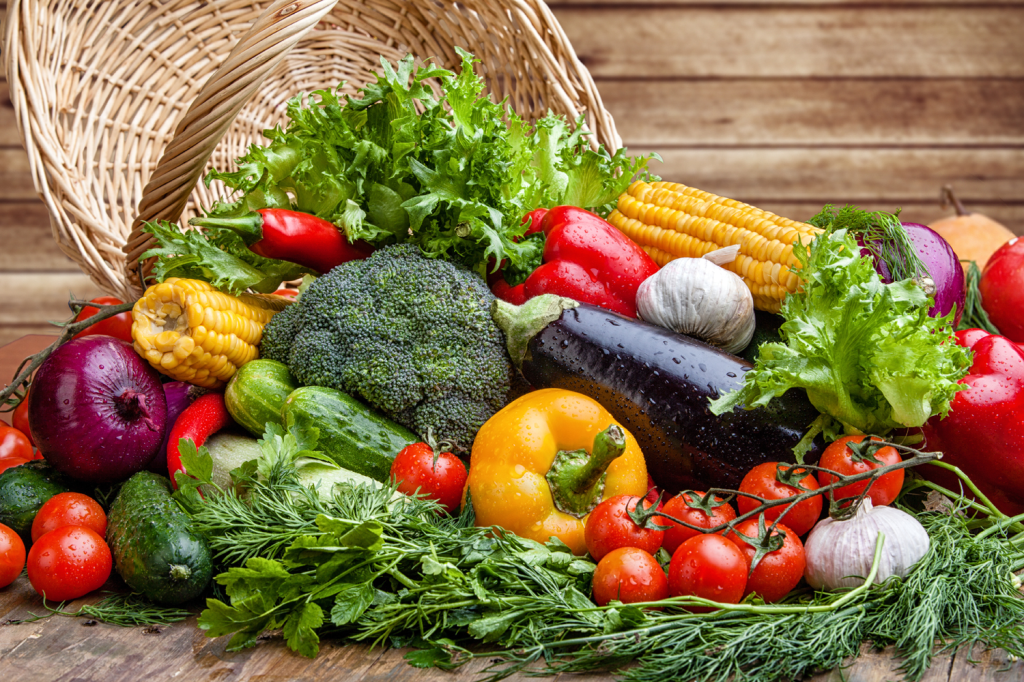
In an era of environmental challenges and climate uncertainty, the need for sustainable food production practices has never been more urgent. Plants and animals offer a resilient and adaptable solution, providing a renewable source of sustenance that can be cultivated in harmony with nature. By embracing regenerative agriculture, agroforestry, and other sustainable farming methods, we can cultivate food in ways that promote biodiversity, conserve resources, and mitigate the impacts of climate change.
3. Cultural Heritage and Tradition
Plants and animals are deeply intertwined with our cultural heritage and culinary traditions, serving as the foundation of countless recipes, rituals, and celebrations. From the staple crops that sustain communities around the world to the sacred animals that hold spiritual significance, the foods we grow and consume are a testament to our shared humanity and the rich tapestry of cultures that unite us.

4. Economic Livelihoods and Food Security
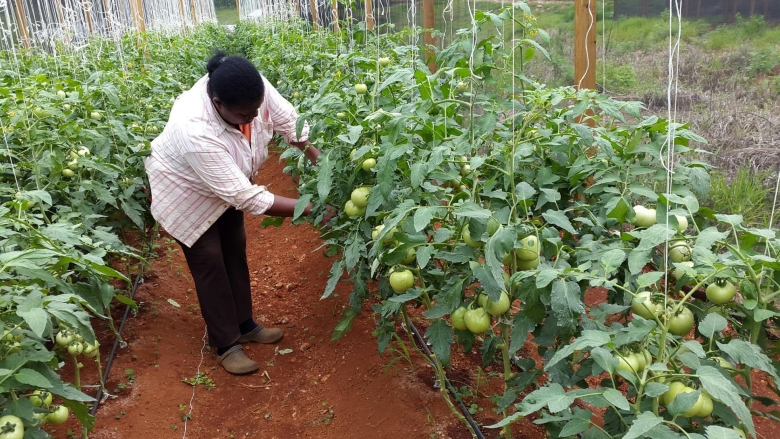
For millions of people around the world, plants and animals are not just sources of sustenance but also livelihoods and economic opportunities. Agriculture and animal husbandry provide employment, income, and economic stability for countless individuals and communities, particularly in rural areas. By investing in sustainable food systems and supporting small-scale farmers and producers, we can promote food security, reduce poverty, and empower communities to thrive.

5. Environmental Stewardship and Conservation
Plants and animals play a critical role in maintaining healthy ecosystems and conserving biodiversity. As primary producers, plants form the foundation of food chains and support a diverse array of wildlife. Similarly, animals contribute to ecosystem balance through processes such as pollination, seed dispersal, and nutrient cycling. By preserving habitats, protecting endangered species, and promoting sustainable land management practices, we can safeguard the natural resources that sustain us and future generations.
In conclusion, the necessity of plants and animals for food transcends mere sustenance—it is a profound symbiosis that sustains life, nourishes communities, and connects us to the intricate web of existence. By embracing the principles of sustainability, cultural preservation, and environmental stewardship, we can honor the vital role that plants and animals play in our lives and cultivate a future where food is abundant, equitable, and in harmony with nature. Join us in celebrating the essential harmony that sustains us all.
 Read It Yourself Educational Resources