Unlocking the Depths of Language
In the vast ocean of language, synonyms and antonyms are like the currents and tides, shaping the flow and rhythm of communication. Understanding these linguistic nuances is not merely an exercise in vocabulary expansion; it’s a key that unlocks the depth and richness of expression. In this post, we delve into the significance of synonyms and antonyms, exploring their roles in reading comprehension and communication.
Defining Synonyms and Antonyms
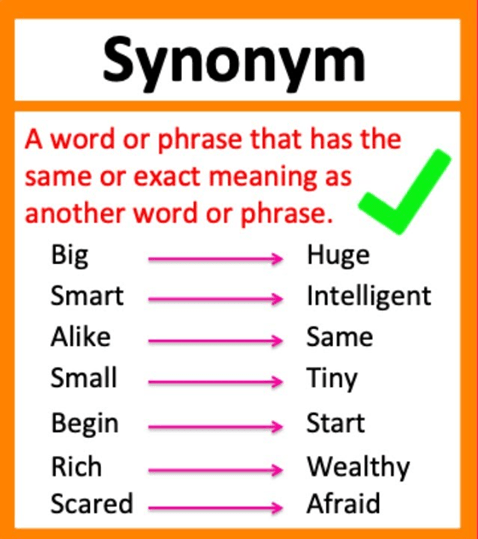
Synonyms:
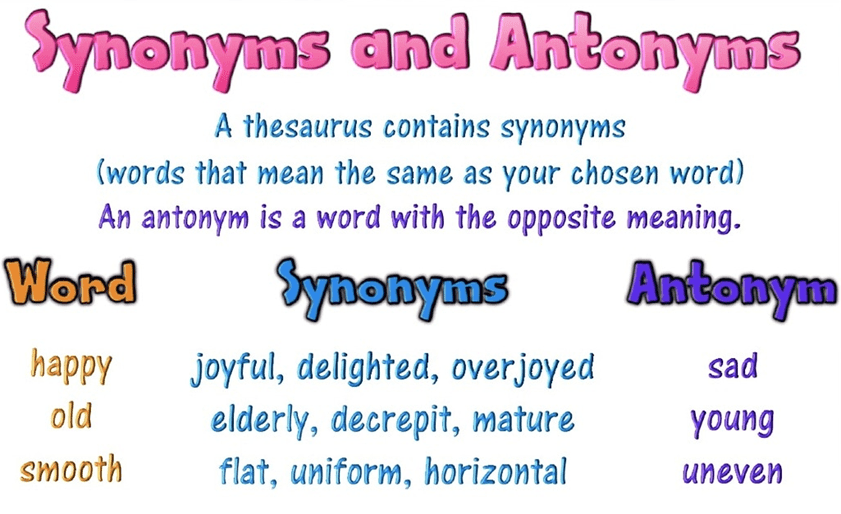
Synonyms are words that have similar meanings, conveying comparable concepts or ideas. They provide variety and flexibility in language, allowing for precise communication and avoiding repetition. For instance, “happy” and “joyful” are synonyms, both expressing a positive emotional state.
Antonyms:
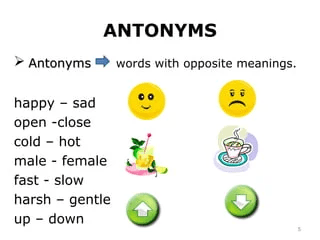
Antonyms, on the other hand, are words with opposite meanings. They contrast with each other, offering shades of meaning and enabling nuanced expression. Examples include “hot” and “cold,” “big” and “small,” or “love” and “hate.”
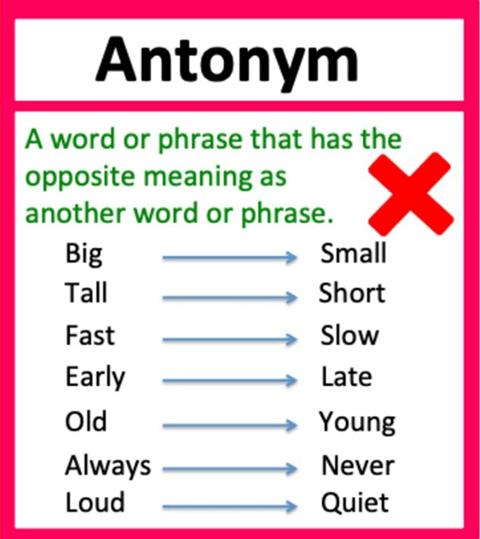
Understanding synonyms and antonyms helps students expand their vocabulary, improve their writing skills, and enhance their comprehension of texts by providing them with alternative words to express themselves or understand the context better.
The Importance in Reading
Enhanced Comprehension: Synonyms expand our understanding by offering alternative words to express the same idea. When encountering unfamiliar terms in texts, knowledge of synonyms enables readers to decipher meanings through context. For instance, if a reader encounters the word “enormous” but is unsure of its meaning, recognizing it as a synonym for “huge” clarifies the sentence’s intent.
Vocabulary Enrichment: Exposure to synonyms broadens vocabulary horizons. By learning multiple words with similar meanings, readers not only improve their language skills but also gain insight into subtle differences in connotation and usage. For example, understanding that “brave,” “courageous,” and “fearless” all convey courage but may be employed in distinct contexts enriches one’s lexical repertoire.

Precision in Expression: Antonyms provide contrast and precision in communication. They allow writers to highlight distinctions and convey complex ideas succinctly. Consider a sentence contrasting “freedom” with “captivity.” The antonym “captivity” accentuates the absence of freedom, emphasizing the significance of liberation or confinement.
Contextual Analysis: Recognizing antonyms aids in deciphering textual nuances. Authors often employ antonymic pairs to underscore themes, conflicts, or character dynamics. Identifying antonyms enhances readers’ ability to analyze literature on deeper levels, discerning underlying motifs and narrative intricacies.

Examples and Illustrations
| Synonyms | Antonyms |
| Happy, Joyful, Ecstatic | Sad, Gloomy, Depressed |
| Big, Large, Huge | Small, Tiny, Petite |
| Brave, Courageous, Fearless | Cowardly, Timid, Fainthearted |
In the mosaic of language, synonyms and antonyms are indispensable elements, enriching communication and fostering comprehension. Their mastery not only enhances reading proficiency but also amplifies writing prowess, enabling individuals to articulate thoughts with precision and eloquence. As readers and writers, embracing the nuances of synonyms and antonyms unveils the true beauty and power of language, elevating discourse and expression to new heights.
 Read It Yourself Educational Resources