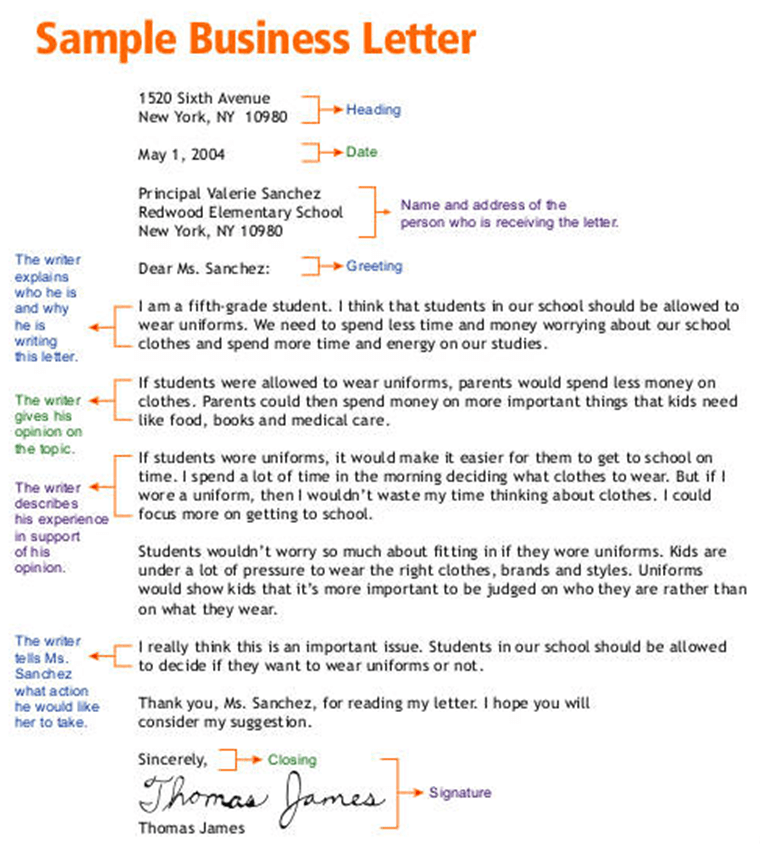
Here are some scenarios or prompts that require students to write a letter using content area vocabulary relating to nutrition and nutrients:
Scenario 1:
Letter to a Friend Prompt: Write a letter to your friend who recently started a new diet plan, explaining the importance of getting essential nutrients for overall health. Use content area vocabulary related to nutrition and nutrients to convey your message effectively.

Scenario 2:
Letter to a Parent Prompt: Imagine you are writing a letter to your parent, persuading them to include more fruits and vegetables in your family’s meals. Use content area vocabulary such as “vitamins,” “fiber,” and “antioxidants” to explain the health benefits of these foods and why they are essential for a balanced diet.
Scenario 3:
Letter to a Nutritionist Prompt: You have been experiencing low energy levels and fatigue lately and decide to seek advice from a nutritionist. Write a letter to a nutritionist describing your dietary habits and asking for recommendations to improve your nutrient intake. Use content area vocabulary related to macronutrients (carbohydrates, proteins, fats) and micronutrients (vitamins, minerals) in your letter.
Scenario 4:
Letter to a Food Manufacturer Prompt: You recently discovered that your favorite snack contains unhealthy additives and preservatives. Write a letter to the food manufacturer expressing your concerns and suggesting alternative ingredients that would provide better nutrition without sacrificing taste. Use content area vocabulary such as “artificial additives,” “nutrient-dense,” and “natural ingredients” to convey your message effectively.
Scenario 5:
Letter to a School Administrator Prompt: As a concerned student, you want to advocate for healthier food options in your school cafeteria. Write a letter to the school administrator outlining the benefits of offering nutritious meals and snacks to students. Use content area vocabulary related to “whole grains,” “lean proteins,” “fresh produce,” and “balanced meals” to support your argument.
These scenarios or prompts encourage students to apply their knowledge of content area vocabulary related to nutrition and nutrients in real-life contexts, fostering critical thinking and communication skills while reinforcing key concepts in the subject area.
 Read It Yourself Educational Resources