In our fast-paced world of convenience and abundance, the journey our food takes from farm to table is often overlooked. Yet, the methods used to grow our food can have profound implications for the health of our planet. Today, we’re diving deep into the world of agriculture to evaluate the impact of non-organic methods of growing food on the environment. Join us as we explore the advantages and disadvantages of non-organic farming practices and their effects on ecosystems, soil health, and biodiversity.
Understanding Non-Organic Farming:
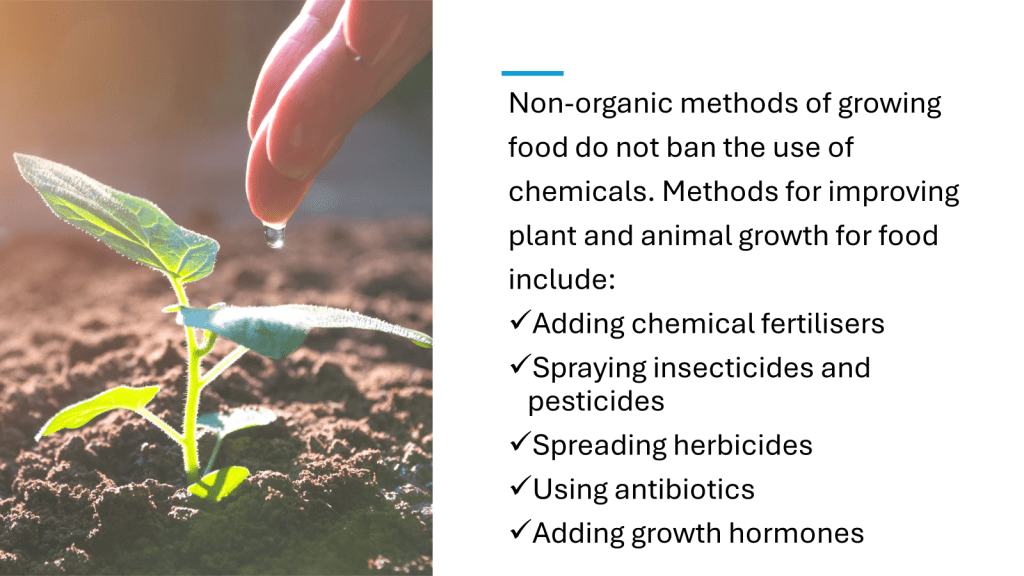
Non-organic farming, also known as conventional or industrial farming, relies heavily on synthetic inputs such as pesticides, fertilizers, and genetically modified organisms (GMOs) to maximize crop yields. While these methods may increase productivity in the short term, they can also have significant environmental consequences.
Effects on Ecosystems:
One of the primary concerns with non-organic farming practices is their impact on ecosystems. Synthetic pesticides and fertilizers can leach into waterways, polluting rivers, lakes, and oceans. This contamination not only harms aquatic life but also disrupts delicate ecosystems and threatens biodiversity.
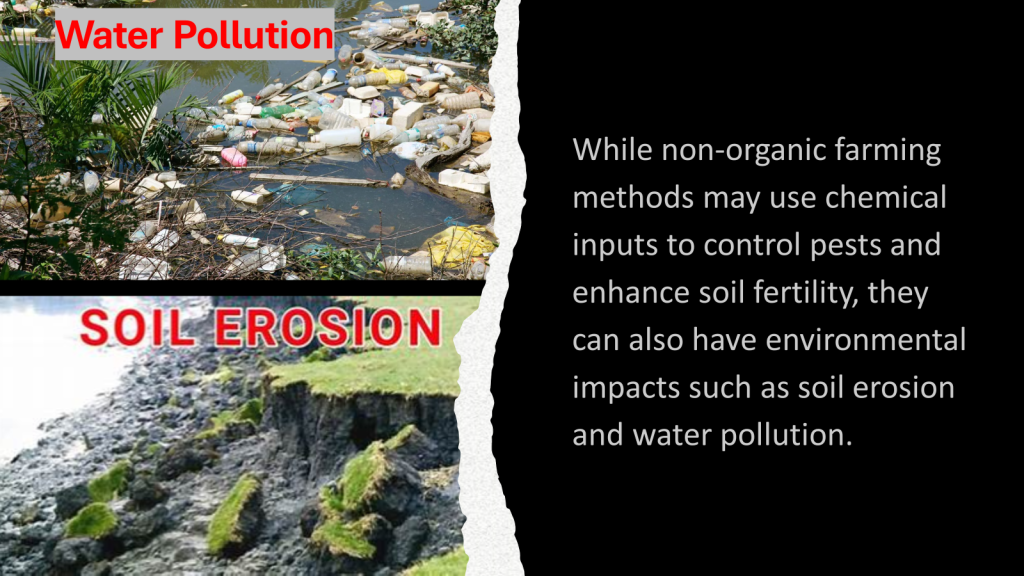
Additionally, non-organic farming often involves large-scale monoculture, where vast expanses of land are dedicated to a single crop. This lack of diversity can lead to soil erosion, nutrient depletion, and increased vulnerability to pests and diseases.
Soil Health:
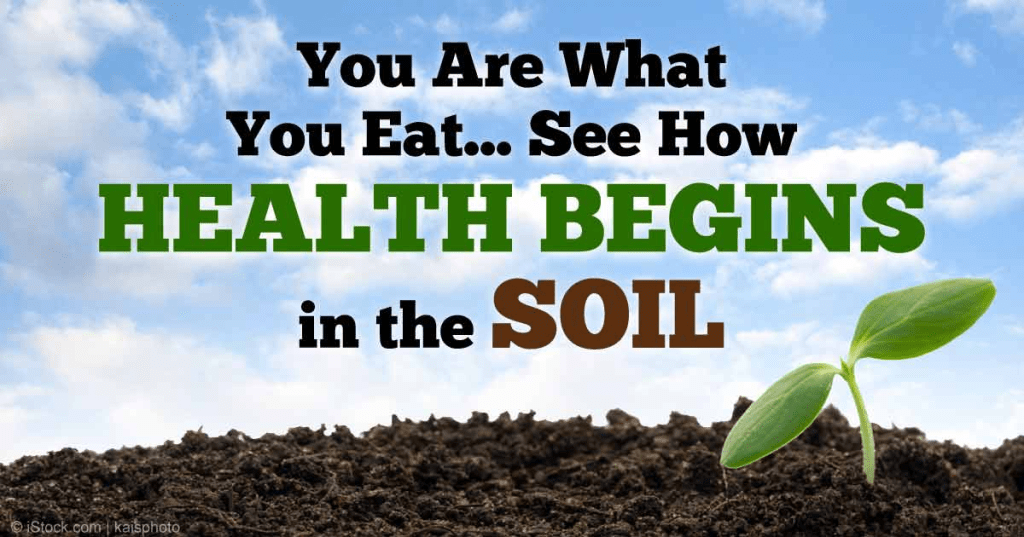
Healthy soil is the foundation of sustainable agriculture, yet non-organic farming methods can degrade soil quality over time. Synthetic fertilizers may provide plants with essential nutrients, but they can also disrupt the natural balance of soil microorganisms and lead to nutrient runoff. This depletion of soil fertility can have long-term consequences for crop productivity and ecosystem resilience.
Biodiversity Loss:
Non-organic farming practices can also contribute to the loss of biodiversity. Monoculture farming reduces habitat availability for native species and disrupts natural ecosystems. Additionally, the use of pesticides can harm beneficial insects, birds, and other wildlife, further reducing biodiversity and disrupting ecological balance.
Balancing Act:
While non-organic farming methods may offer short-term benefits in terms of increased crop yields and reduced production costs, the long-term environmental costs cannot be ignored. As consumers, we have the power to support farming practices that prioritize environmental stewardship and sustainability.
As we’ve explored in this blog post, evaluating the impact of non-organic methods of growing food on the environment is essential for understanding the broader implications of our food choices. While non-organic farming practices may offer certain advantages in terms of productivity and efficiency, they also come with significant environmental costs. By considering the effects of our food production systems on ecosystems, soil health, and biodiversity, we can make more informed decisions that support the health of our planet for generations to come. Let’s strive to support sustainable farming practices that nourish both people and the planet.
 Read It Yourself Educational Resources