Exploring the Difference:
In our modern world of supermarkets stocked with a plethora of fruits and vegetables, it’s easy to take for granted the journey these foods take from farm to table. But did you know that the methods used to grow our food can have a significant impact on both our health and the environment?
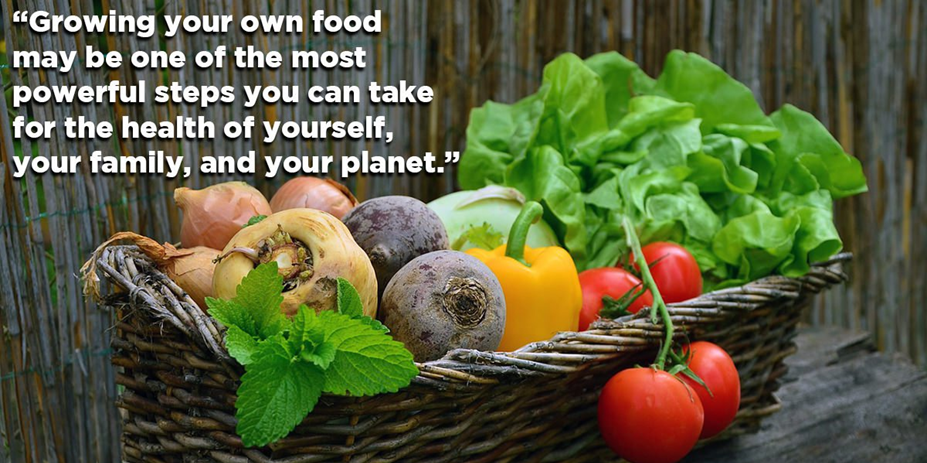
In this blog post, we’ll delve into the concept of organic and non-organic food production methods, exploring the key differences between the two approaches and their implications for our well-being and the planet.
What is Organic Farming?
Organic farming is an agricultural practice that prioritizes the use of natural inputs and sustainable methods to grow crops and raise livestock. Unlike conventional farming, which relies heavily on synthetic pesticides and fertilizers, organic farming embraces natural processes and materials to nourish the soil and protect plant health.
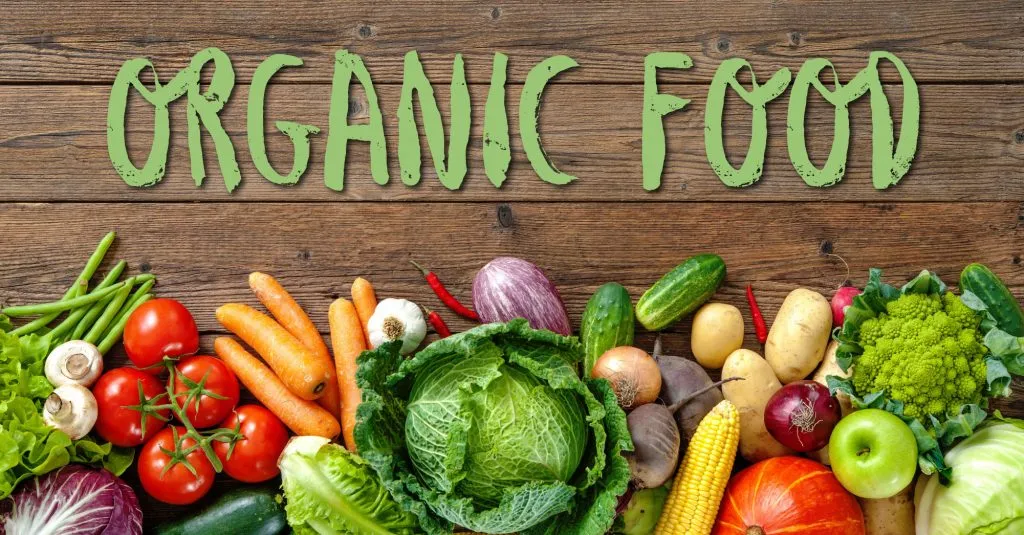
At the heart of organic farming are principles such as biodiversity, soil health, and ecological balance. Organic farmers eschew the use of synthetic chemicals and genetically modified organisms (GMOs), opting instead for natural fertilizers like compost and manure, crop rotation, and biological pest control methods.
The Role of Natural Inputs:
One of the defining features of organic farming is its reliance on natural inputs like compost and manure to enrich the soil and provide essential nutrients to crops. Compost, made from decomposed organic matter such as kitchen scraps and yard waste, is a nutrient-rich soil amendment that improves soil structure and fertility. Manure, sourced from livestock such as cows, pigs, and chickens, is another valuable organic fertilizer that helps replenish soil nutrients and enhance microbial activity.


By harnessing the power of natural inputs, organic farmers are able to cultivate healthy, nutrient-dense crops without relying on synthetic chemicals that can harm the environment and human health.
Non-Organic Farming:
In contrast to organic farming, non-organic farming, also known as conventional or industrial farming, relies heavily on synthetic fertilizers and pesticides to maximize crop yields and control pests. While non-organic farming methods may increase productivity in the short term, they often come at a cost to the environment and human health.

Synthetic fertilizers, derived from fossil fuels, provide plants with essential nutrients like nitrogen, phosphorus, and potassium. However, they can also leach into waterways, polluting rivers and lakes and causing harmful algal blooms. Similarly, synthetic pesticides are designed to kill pests and weeds, but they can also harm beneficial insects, birds, and mammals, disrupt ecosystems, and pose risks to human health through exposure.


In conclusion, the choice between organic and non-organic food production methods has far-reaching implications for our health, the environment, and the future of agriculture. While organic farming relies on natural inputs and sustainable practices to cultivate healthy, nutrient-dense crops, non-organic farming relies on synthetic chemicals that can have negative consequences for ecosystems and human health.
As consumers, we have the power to vote with our wallets and support farmers who prioritize environmental stewardship and sustainable agriculture. By choosing organic foods whenever possible, we can promote a healthier planet and a brighter future for generations to come.
 Read It Yourself Educational Resources
So much better to feed the soil rather than the plants!
LikeLiked by 1 person
That is so true. Thanks for your support.
LikeLiked by 2 people