In our increasingly interconnected world, the choices we make about the food we eat have far-reaching consequences for both our health and the environment. One of the most hotly debated topics in the realm of agriculture is the use of organic versus non-organic methods of growing food. Today, we’ll delve into this complex issue, exploring the advantages and disadvantages of each approach to better understand their impacts on the environment and human health.
Organic Farming:
Organic farming has gained popularity in recent years for its emphasis on sustainability and natural practices. Here are some of the key pros and cons associated with organic methods:
Pros:
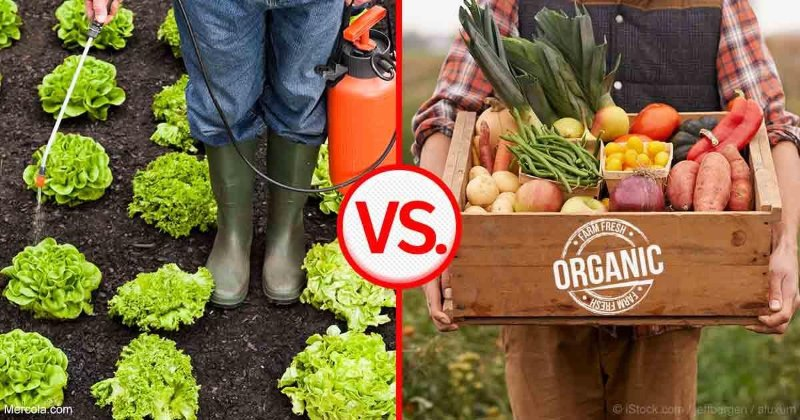
- Environmental Benefits: Organic farming practices prioritize soil health, biodiversity, and water conservation. By avoiding synthetic pesticides and fertilizers, organic farmers help protect ecosystems and reduce pollution.
- Healthier Food: Many consumers choose organic foods for their perceived health benefits. Organic produce is grown without synthetic chemicals, making it a popular choice for those seeking to minimize their exposure to pesticides and other potentially harmful substances.
- Support for Small-Scale Farmers: Organic farming often emphasizes local, small-scale production, providing economic opportunities for farmers and fostering community resilience.
Cons:
- Lower Yields: Organic farming methods may result in lower crop yields compared to non-organic methods. Without the use of synthetic pesticides, organic farmers may struggle to control pests and diseases, leading to reduced productivity.
- Higher Costs: Organic foods are often more expensive than their non-organic counterparts, reflecting the higher costs associated with organic certification, labor-intensive practices, and lower yields.
- Limited Availability: While demand for organic foods is growing, organic products may not always be readily available or accessible to all consumers, particularly in rural or low-income areas.
Non-Organic Farming:
Non-organic farming, also known as conventional or industrial farming, is the dominant method of food production worldwide. Here are some of the pros and cons associated with non-organic methods:
Pros:
- High Yields: Non-organic farming methods are often more efficient at producing large quantities of food to meet global demand. Synthetic pesticides and fertilizers help control pests and enhance soil fertility, leading to higher crop yields.
- Lower Costs: Non-organic foods are typically more affordable than organic foods, making them accessible to a wider range of consumers. Lower production costs and higher yields contribute to lower prices at the grocery store.
- Global Food Security: Conventional farming plays a crucial role in ensuring global food security by producing sufficient quantities of food to feed a growing population. High-yield farming methods help minimize food shortages and alleviate hunger in many parts of the world.
Cons:
- Environmental Impacts: Non-organic farming practices can have negative consequences for the environment, including soil erosion, water pollution, and loss of biodiversity. Synthetic pesticides and fertilizers may leach into waterways, harming aquatic ecosystems and wildlife.
- Health Concerns: Some consumers are wary of non-organic foods due to concerns about pesticide residues and their potential impact on human health. Prolonged exposure to synthetic chemicals may have adverse effects on human health, although the extent of these risks is still subject to debate.
- Dependency on Inputs: Conventional farming often relies on a heavy use of synthetic inputs, leading to concerns about resource depletion, pollution, and long-term sustainability. Over-reliance on chemical inputs may also contribute to the development of pesticide-resistant pests and soil degradation.
As we’ve explored in this blog post, the debate between organic and non-organic methods of growing food is multifaceted and complex. While organic farming offers environmental benefits and may produce healthier food, it also comes with challenges such as lower yields and higher costs. On the other hand, non-organic farming methods prioritize efficiency and affordability but may have negative impacts on the environment and human health.
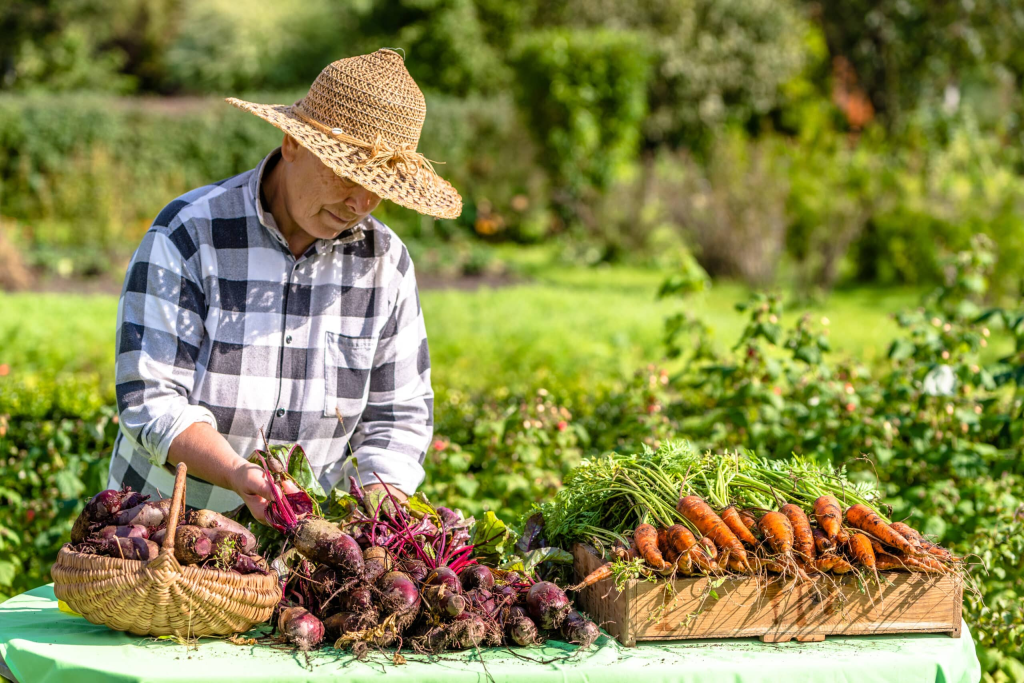
Ultimately, the choice between organic and non-organic foods is a personal one, influenced by factors such as values, preferences, and budget constraints. By understanding the pros and cons of each approach, consumers can make informed decisions about the food they eat and support farming practices that align with their values and priorities.
As we continue to navigate the complexities of our food system, let’s remember the importance of sustainability, health, and environmental stewardship in shaping the future of agriculture. Whether we choose organic or non-organic foods, let’s strive to support farming practices that promote the well-being of people and the planet alike.
 Read It Yourself Educational Resources