In the vast tapestry of life, plants hold a special place as the primary source of sustenance for humans and countless other species. From the humble grains that form the basis of our diets to the vibrant array of fruits, vegetables, and herbs that grace our plates, plants provide nourishment, flavor, and sustenance in abundance. In this blog post, we embark on a journey to explore the diverse and fascinating world of plants used for foods.
The Cornucopia of Plants
Plants used for food encompass a staggering diversity of species, each with its own unique flavors, textures, and nutritional profiles. Whether cultivated in sprawling agricultural fields or foraged from wild landscapes, these plants play a central role in shaping culinary traditions, cultural identities, and dietary habits around the globe.
Staple Crops: The Foundation of Our Diets
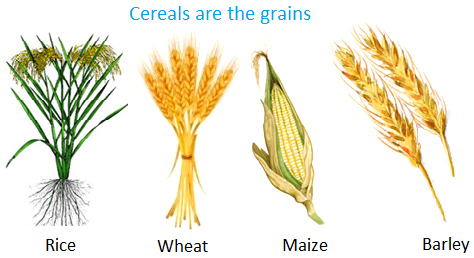
At the heart of many diets lies a handful of staple crops that form the cornerstone of daily meals. Grains such as wheat, rice, maize, and barley provide carbohydrates, proteins, and essential nutrients, serving as the foundation of bread, pasta, rice dishes, and more. These resilient and versatile crops have sustained civilizations for millennia, offering sustenance to billions of people worldwide.

Fruits and Vegetables: Nature’s Bounty
Beyond the staples, a rich tapestry of fruits and vegetables adds color, flavor, and nutritional diversity to our diets. From the crisp sweetness of apples and berries to the earthy richness of root vegetables and leafy greens, fruits and vegetables offer an endless array of tastes and textures to explore. Packed with vitamins, minerals, and antioxidants, these plant-based foods nourish our bodies and delight our senses with their vibrant hues and complex flavors.

Herbs, Spices, and Aromatics: Culinary Alchemy
No culinary journey would be complete without the aromatic delights of herbs, spices, and aromatic plants. From the pungent heat of chili peppers to the delicate fragrance of fresh herbs like basil, mint, and cilantro, these flavor enhancers elevate dishes with their nuanced aromas and bold tastes. Used for seasoning, garnishing, and preserving food, herbs and spices add depth, complexity, and character to culinary creations across cultures and cuisines.

The Power of Plants: Nourishing Body and Soul
As we marvel at the diversity and abundance of plants used for foods, let us also reflect on the profound connections they forge between people, cultures, and the natural world. From the farm to the table, plants embody the transformative power of food as a source of nourishment, sustenance, and communion. As we savor the flavors and aromas of plant-based meals, let us celebrate the bounty of nature and honor the vital role that plants play in sustaining life and nourishing body and soul.

In conclusion, plants used for foods represent a rich tapestry of flavors, textures, and nutritional benefits that enrich our lives in countless ways. From the humble grains that sustain us to the vibrant array of fruits, vegetables, and herbs that delight our senses, these plants embody the beauty and bounty of the natural world. As we embrace the culinary treasures of plants, let us also cherish the connections they foster between us and the Earth, celebrating the wonder and abundance of life in all its forms.
 Read It Yourself Educational Resources