Growing food encompasses a diverse range of methods, each tailored to different environments, resources, and needs. Here are several key ways of growing food:
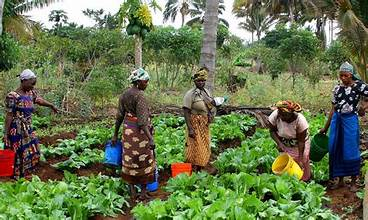
Traditional Farming:
Traditional farming involves cultivating crops in open fields using conventional methods such as plowing, planting seeds, and applying fertilizers and pesticides. This method is commonly used for staple crops like grains, vegetables, and fruits.
Organic Farming: Organic farming focuses on cultivating crops without synthetic fertilizers, pesticides, or genetically modified organisms (GMOs). Instead, it relies on natural methods such as composting, crop rotation, and biological pest control to maintain soil fertility and manage pests and diseases. Organic farming promotes environmental sustainability and produces food that is free from harmful chemicals.
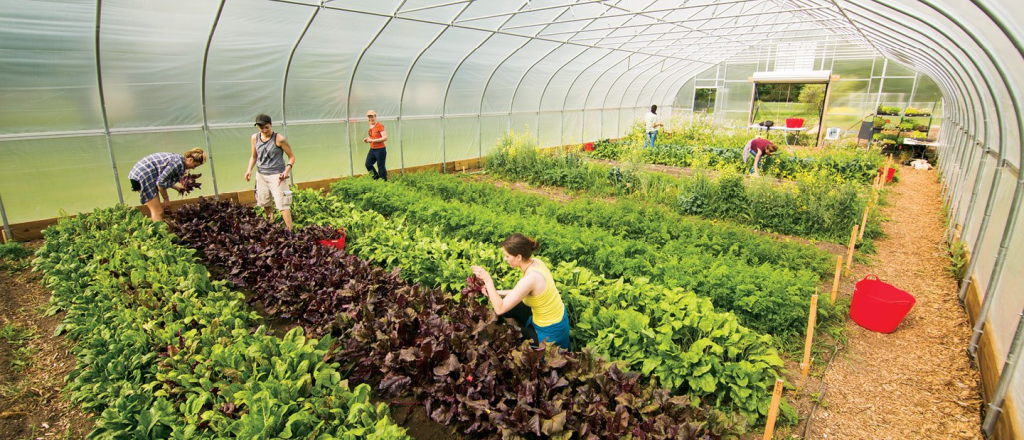
Permaculture:
Permaculture is a holistic approach to farming that mimics natural ecosystems to create sustainable and self-sufficient food production systems. It integrates plants, animals, and landscapes in ways that enhance biodiversity, conserve water, and maximize productivity. Permaculture principles include using perennial crops, building soil health, and designing landscapes to capture and store resources such as water and sunlight.
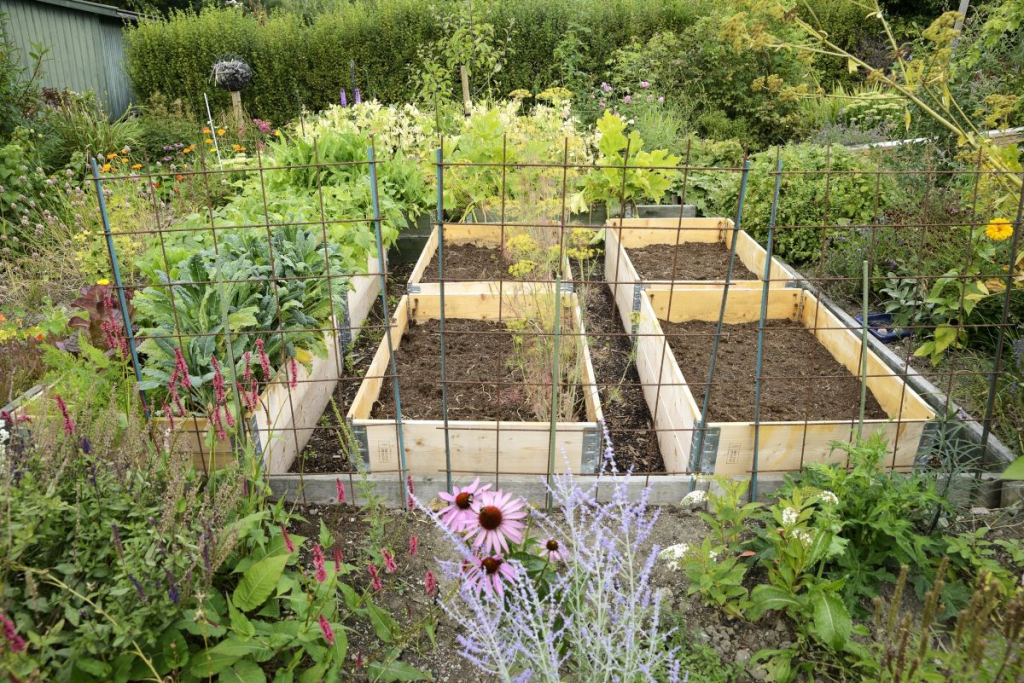

Hydroponics:
Hydroponics is a soilless method of growing plants in nutrient-rich water solutions. Plants are typically grown in containers filled with inert mediums like perlite, vermiculite, or coconut coir, with their roots submerged in the nutrient solution. Hydroponic systems can be used to grow a wide variety of crops, including leafy greens, tomatoes, and herbs, and offer advantages such as faster growth, higher yields, and reduced water usage compared to traditional soil-based farming.
Aquaponics: Aquaponics combines aquaculture (fish farming) with hydroponics in a symbiotic system where fish and plants mutually benefit from each other. Fish waste provides nutrients for the plants, while the plants filter the water, creating a closed-loop ecosystem. Aquaponic systems can produce a range of crops and fish species, making them highly efficient and sustainable methods of food production.

Vertical Farming:
Vertical farming involves growing crops in vertically stacked layers or shelves, often in controlled indoor environments such as warehouses or high-rise buildings. By utilizing space more efficiently and optimizing growing conditions such as light, temperature, and humidity, vertical farming can produce high yields of fresh produce year-round without the need for arable land or pesticides. This method is particularly well-suited to urban areas where land is limited and transportation distances are short.

Community Gardens: Community gardens are shared spaces where individuals or groups come together to grow fruits, vegetables, herbs, and flowers. These gardens promote community engagement, education, and food security by providing access to fresh, locally grown produce and fostering connections between people and nature.
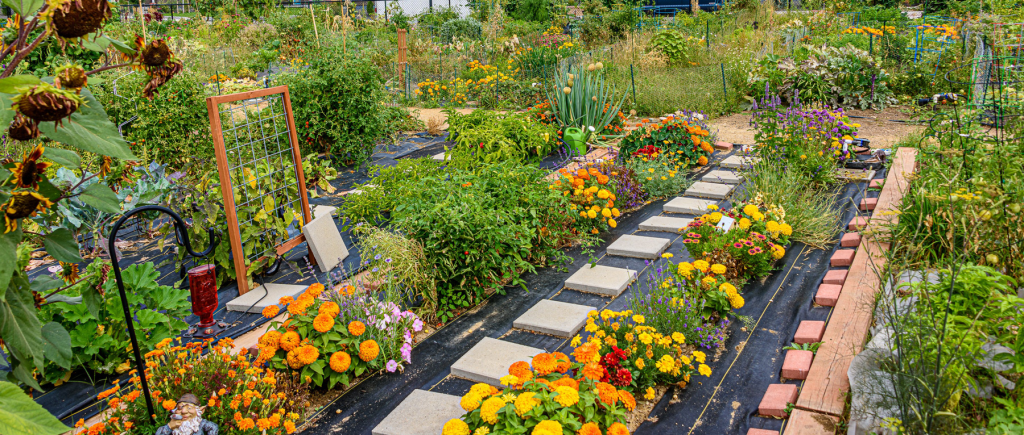

Backyard Gardening:
Backyard gardening involves growing food in residential yards or small plots of land. It allows individuals and families to produce their own fruits, vegetables, and herbs, promoting self-sufficiency, healthy eating, and outdoor activity. Backyard gardens can range from simple raised beds or containers to more elaborate designs incorporating permaculture principles and sustainable practices.
These are just a few of the many ways in which food can be grown, each offering unique advantages and opportunities for sustainable and resilient food production. Whether on a small scale in backyard gardens or large-scale operations using innovative technologies, the methods of growing food play a crucial role in shaping our food systems and nourishing communities around the world.
 Read It Yourself Educational Resources