In the realm of food production, two distinct approaches have emerged: organic and non-organic methods. Each method carries its own set of advantages and disadvantages, shaping the way we grow and consume our food. In this blog post, we’ll delve into the differences between organic and non-organic farming practices, exploring their benefits and drawbacks.
Organic Farming:
Organic farming is a holistic approach to agriculture that emphasizes soil health, biodiversity, and sustainability. Here are some of its key characteristics, along with the advantages and disadvantages:
Advantages of Organic Farming:
Healthier Soil:
Organic farming relies on natural methods such as composting, crop rotation, and cover cropping to build and maintain soil fertility. This results in healthier, more nutrient-rich soil that supports robust plant growth and resilience to pests and diseases.
Reduced Chemical Exposure: Organic farming prohibits the use of synthetic fertilizers, pesticides, and genetically modified organisms (GMOs), reducing chemical residues in food and minimizing harm to human health and the environment.

Environmental Benefits:
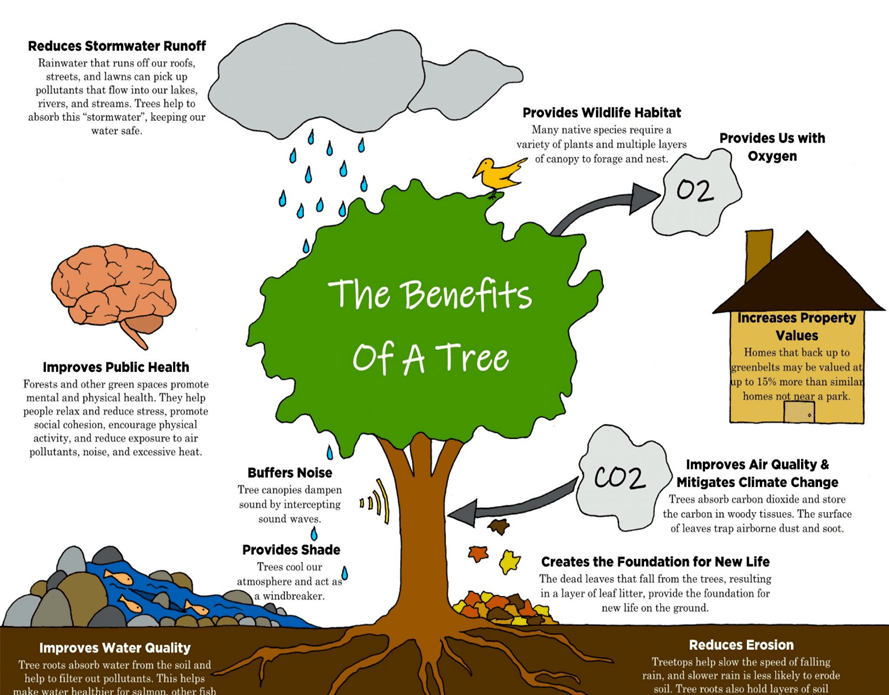
By promoting biodiversity, conserving water and soil resources, and minimizing pollution, organic farming contributes to the preservation of ecosystems and the mitigation of climate change.
Healthier Food:
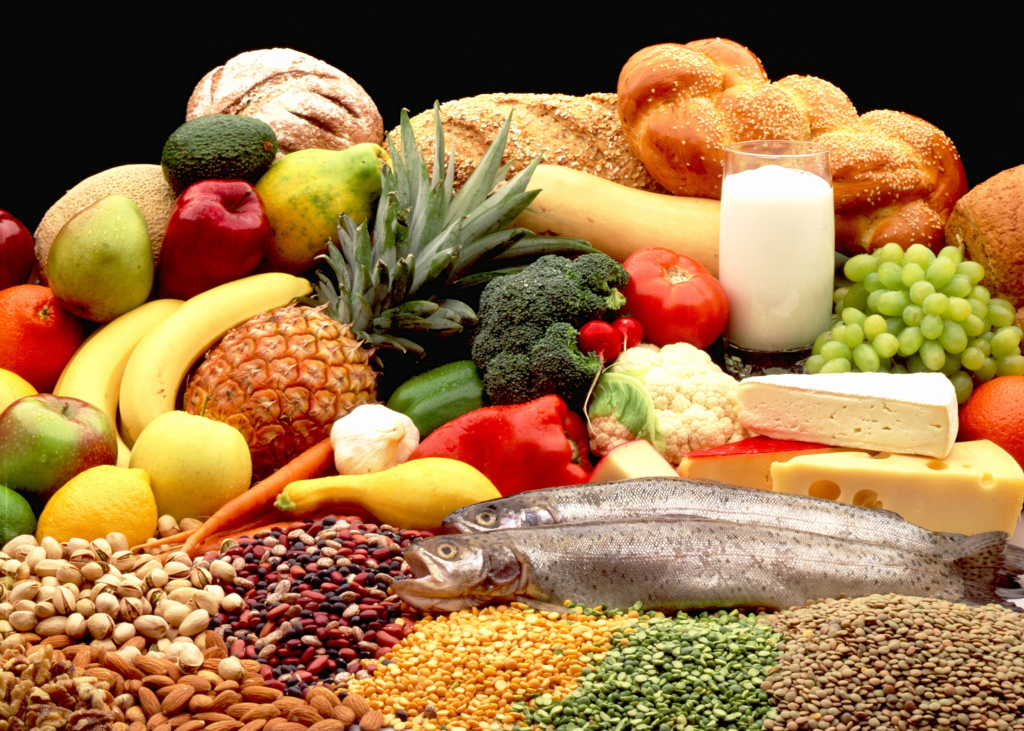
Organic foods are often perceived as healthier and more nutritious than their non-organic counterparts, as they are free from synthetic chemicals and may contain higher levels of vitamins, minerals, and antioxidants.
Disadvantages of Organic Farming:
Lower Yields: Organic farming typically yields lower quantities of crops compared to non-organic methods, due to factors such as reliance on natural fertilizers, weed and pest control, and limited use of synthetic inputs.
Higher Costs: Organic farming practices can be more labor-intensive and costly to implement than conventional methods, as they require more manual labor, organic inputs, and certification processes.
Risk of Pest and Disease Damage: Organic farmers may face greater challenges in controlling pests and diseases without the use of synthetic pesticides, which can lead to crop losses and reduced profitability.
Non-Organic Farming:
Non-organic farming, also known as conventional or industrial agriculture, relies on synthetic inputs such as chemical fertilizers, pesticides, and genetically engineered seeds to maximize crop yields and profits. Here are some of its advantages and disadvantages:
Advantages of Non-Organic Farming:
Higher Yields: Non-organic farming methods often result in higher yields of crops compared to organic methods, thanks to the use of synthetic fertilizers, pesticides, and genetically modified seeds designed for pest and disease resistance.
Lower Costs: Conventional farming practices are generally more cost-effective and less labor-intensive than organic methods, making them more accessible to large-scale commercial operations.
Greater Convenience: Non-organic farming allows for greater control over pest and disease management, as well as predictable crop yields and harvest times, leading to increased efficiency and profitability.
Disadvantages of Non-Organic Farming:
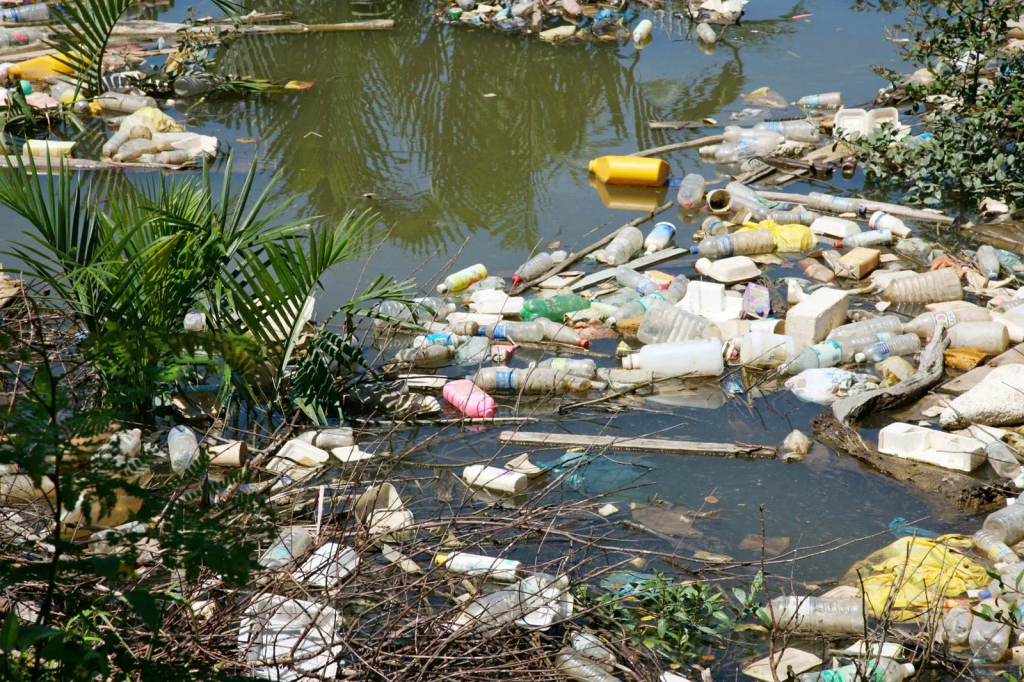
Environmental Pollution:
Conventional farming practices can lead to soil degradation, water contamination, and loss of biodiversity due to the overuse of synthetic inputs, pesticide runoff, and monoculture cropping systems.
Health Risks: Exposure to synthetic pesticides and chemical residues in food has been linked to negative health effects in humans, including increased risk of cancer, hormone disruption, and antibiotic resistance.
Soil Degradation:
Continuous use of synthetic fertilizers and pesticides can deplete soil fertility, disrupt soil microbial communities, and contribute to erosion and loss of topsoil, compromising the long-term productivity and sustainability of agricultural land.

In conclusion, both organic and non-organic methods of growing food have their own set of advantages and disadvantages, shaping the way we produce and consume our food. While organic farming prioritizes environmental sustainability, soil health, and human health, non-organic farming emphasizes efficiency, productivity, and profitability. Ultimately, the choice between organic and non-organic methods depends on factors such as personal preferences, values, and priorities, as well as considerations of environmental impact and food system resilience.
 Read It Yourself Educational Resources