An essay is a piece of writing that presents and discusses a particular topic, idea, argument, or viewpoint. It is a structured form of writing that typically follows a specific format and may include the author’s personal thoughts, analysis, interpretation, or evaluation of the topic at hand.
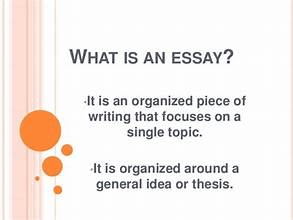
Essays can vary widely in length, style, and purpose. They can be short or long, formal or informal, and may serve different functions depending on the context in which they are written.
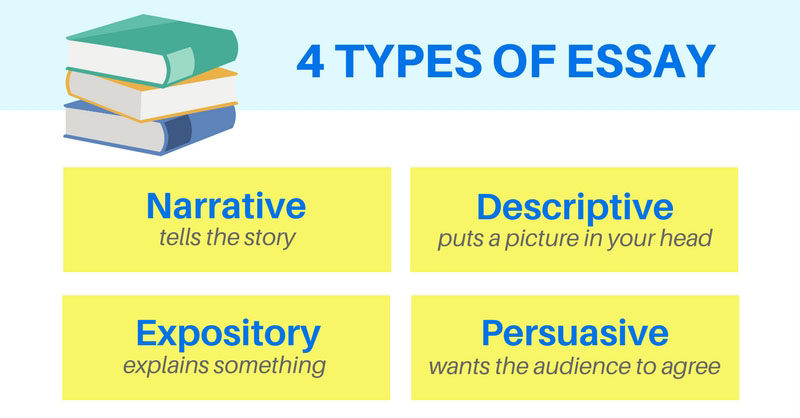
Some common types of essays include:
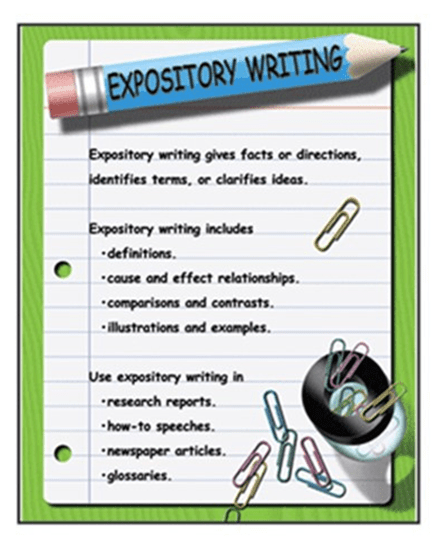
Expository Essay:
This type of essay presents information, explains a topic, or defines a concept. It aims to provide the reader with a clear understanding of the subject matter.
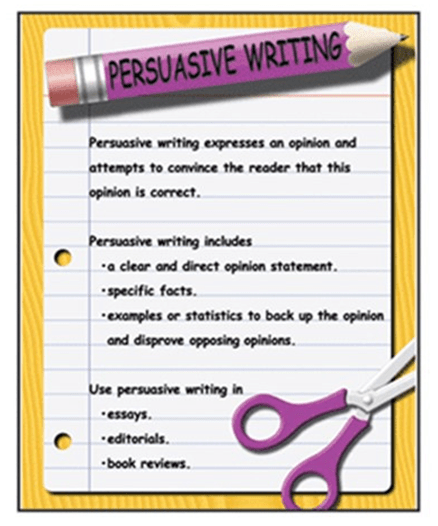
Persuasive Essay:
A persuasive essay seeks to convince the reader to adopt a particular viewpoint, take a specific action, or agree with the author’s argument. It presents evidence and logical reasoning to support its claims.
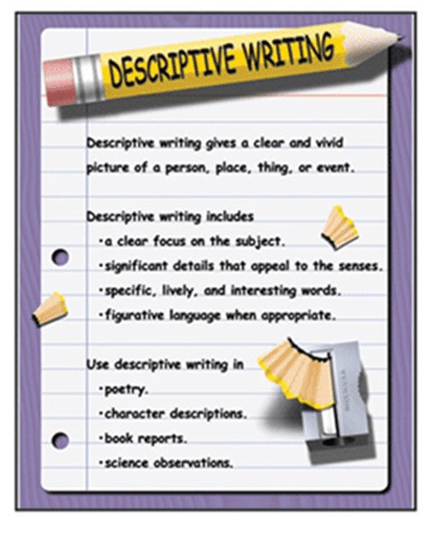
Descriptive Essay:
A descriptive essay uses sensory language to paint a vivid picture of a person, place, object, or event. It aims to create a sensory experience for the reader and evoke a strong sense of imagery.
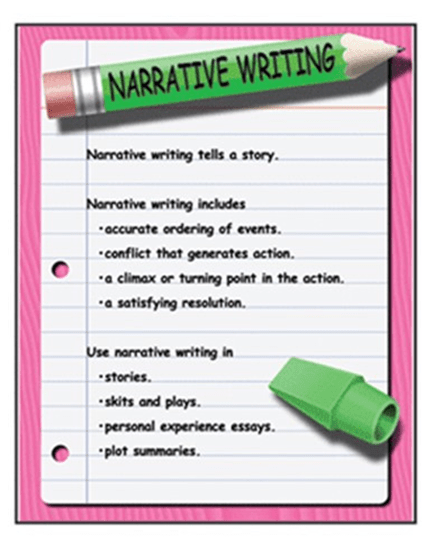
Narrative Essay:
A narrative essay tells a story or recounts a personal experience. It often includes vivid descriptions, sensory details, and dialogue to engage the reader and evoke emotions.

Argumentative Essay:
Similar to a persuasive essay, an argumentative essay presents arguments and evidence to support a particular position or point of view. However, it also acknowledges and refutes opposing viewpoints to strengthen its own argument.
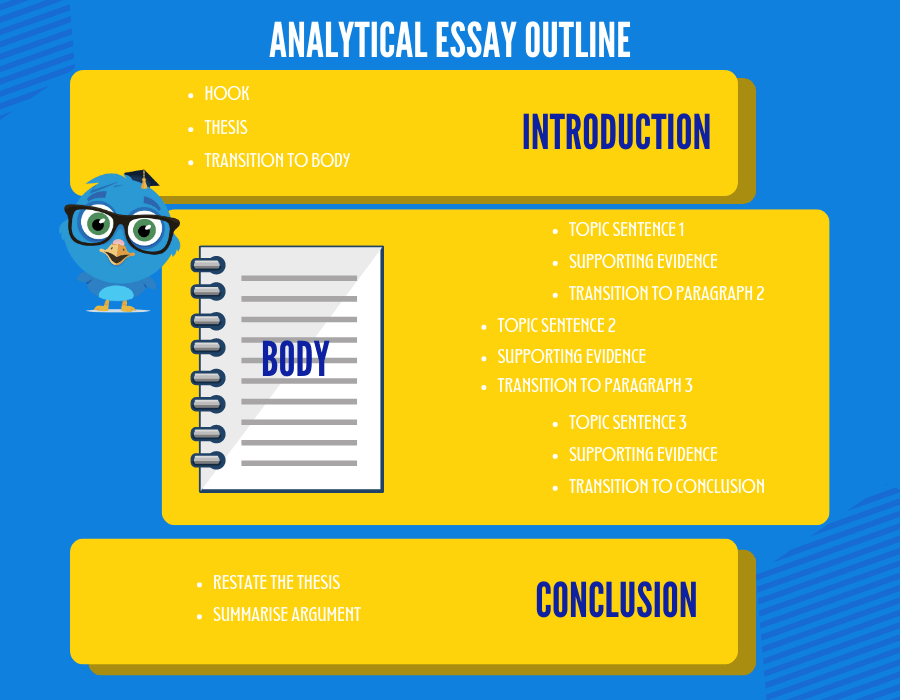
Analytical Essay:
An analytical essay examines and interprets a piece of literature, artwork, historical event, or other subject matter. It analyzes the underlying themes, motifs, or elements to uncover deeper meanings or insights.
Essays are commonly used in academic settings, such as schools and universities, as a means of assessing students’ writing skills, critical thinking abilities, and understanding of course material. They are also prevalent in professional and journalistic contexts, where they serve to inform, persuade, or entertain readers on various topics of interest.

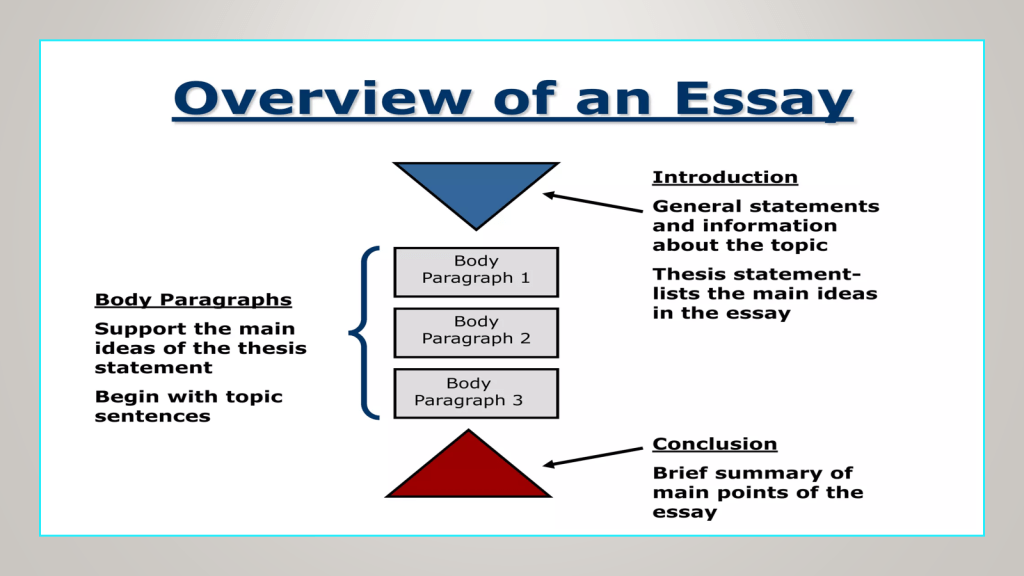
The main parts of an essay typically include:
Introduction:
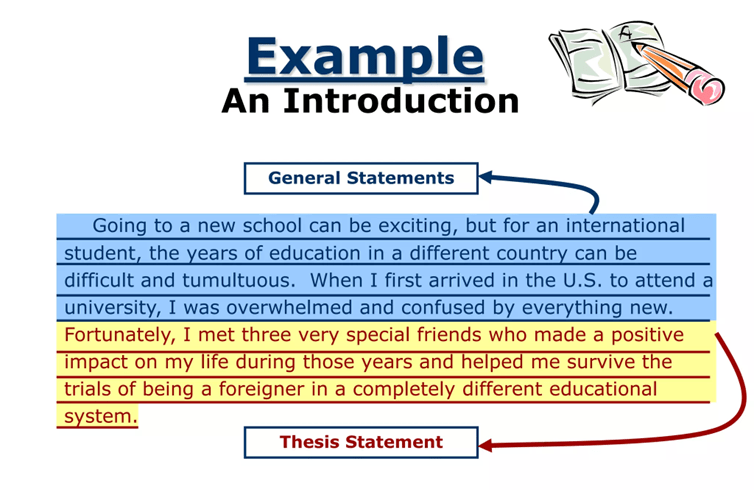
- The introduction is the opening paragraph of the essay.
- It provides background information on the topic and introduces the main idea or thesis statement of the essay.
- The introduction should grab the reader’s attention and set the tone for the rest of the essay.
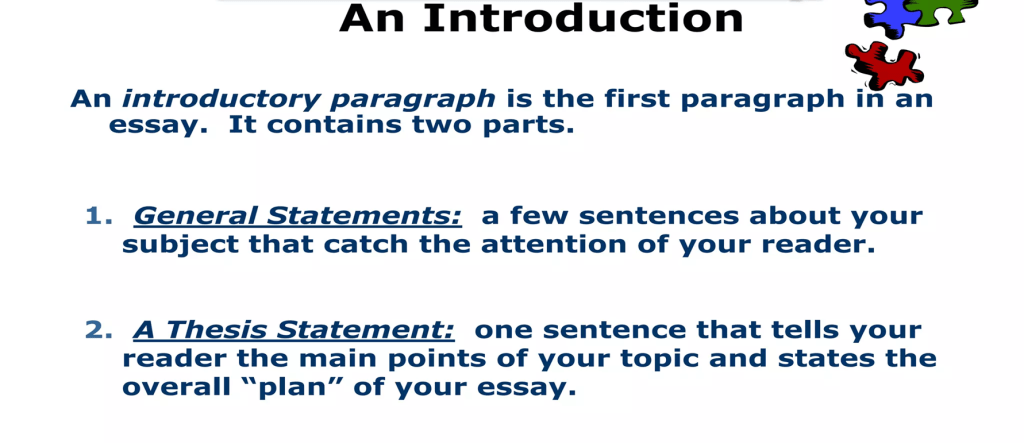
Thesis Statement:
- The thesis statement is usually located at the end of the introduction.
- It presents the main argument or point of view that the essay will discuss and support.
- The thesis statement guides the direction of the essay and helps the reader understand what to expect.
Body Paragraphs:
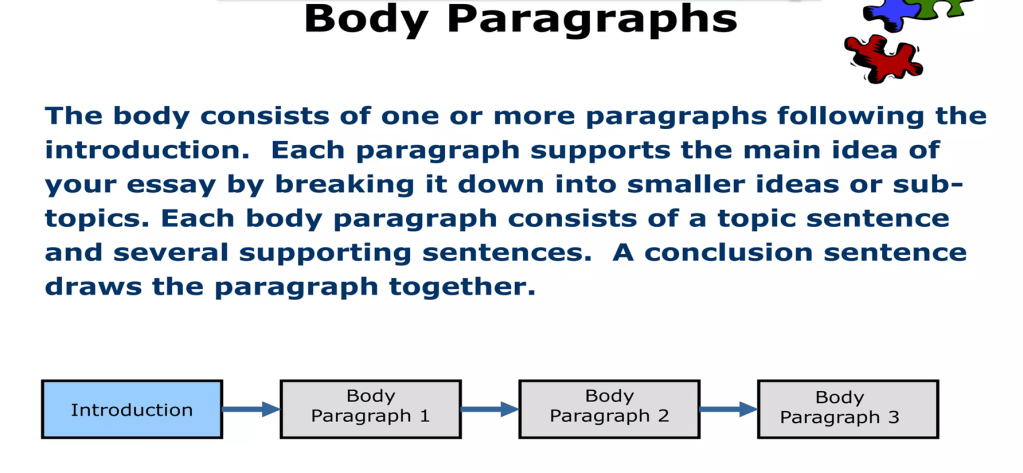
- The body paragraphs make up the main content of the essay.
- Each body paragraph focuses on a single point or idea that supports the thesis statement.
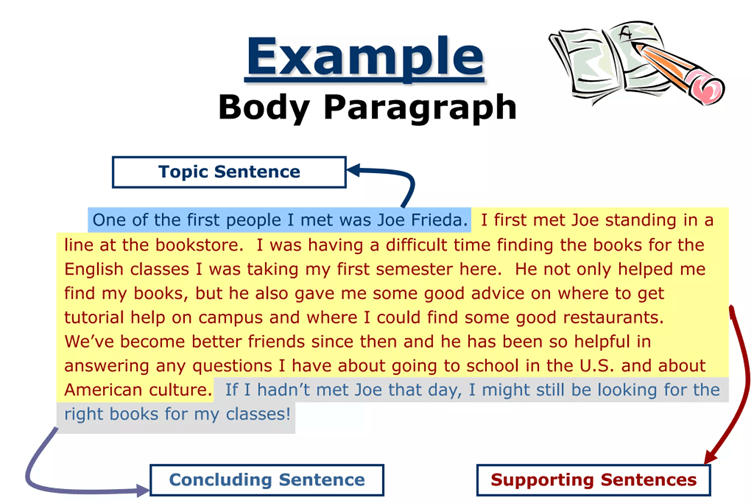
- Body paragraphs should include topic sentences, supporting evidence, and analysis or explanation of the evidence.
- The number of body paragraphs can vary depending on the length and complexity of the essay.
Transitions:
- Transitions are words or phrases that connect different parts of the essay and help the reader follow the flow of ideas.
- Transitions can be used to introduce new points, compare or contrast ideas, provide examples, or summarize information.
Conclusion:
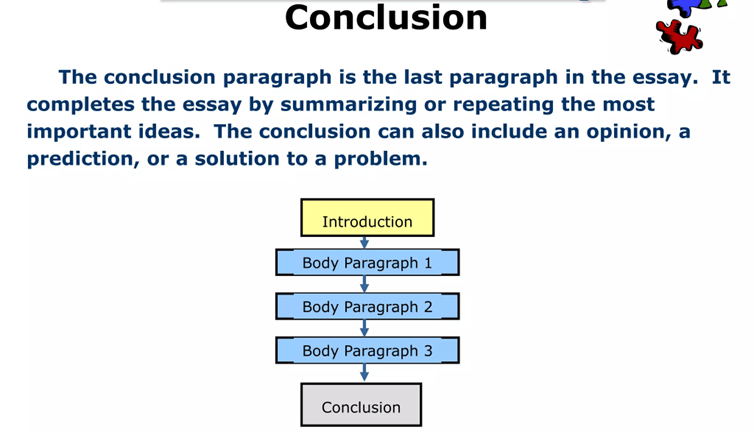
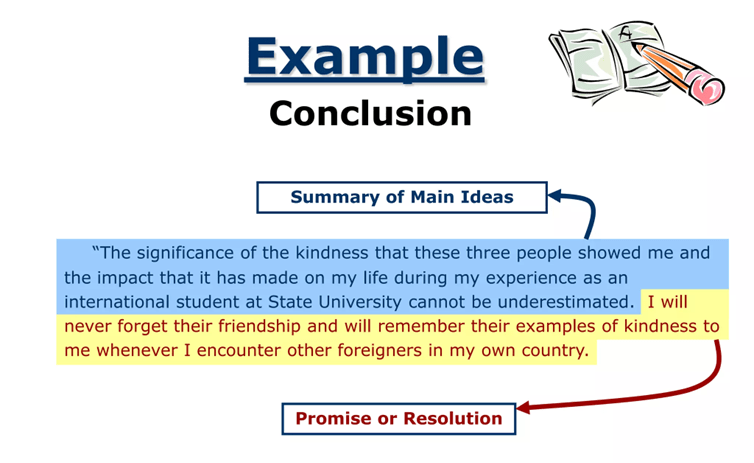
- The conclusion is the final paragraph of the essay.
- It summarizes the main points discussed in the body paragraphs and restates the thesis statement in different words.
- The conclusion may also offer insights, make predictions, or suggest further research related to the topic.
- It should leave a lasting impression on the reader and provide a sense of closure to the essay.
These main parts work together to create a cohesive and well-structured essay that effectively communicates the writer’s ideas and arguments.
 Read It Yourself Educational Resources