Nanny of the Maroons, also known as Queen Nanny, is a legendary figure in Jamaican history and a national heroine. She played a crucial role in the resistance against British colonial forces during the late 17th and early 18th centuries. Nanny is celebrated for her leadership and strategic brilliance in the fight for freedom and autonomy for the Jamaican Maroon community.
Here are some key aspects of Nanny of the Maroons:
Maroon Leader: Nanny was a leader among the Windward Maroons, a group of formerly enslaved Africans who had escaped into the rugged interior of Jamaica. These Maroon communities were formed by those who had rebelled against their enslavement and successfully established autonomous settlements in the mountains.
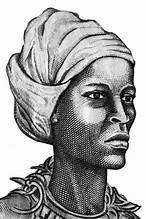
Origins: Although the specific details of Nanny’s early life remain somewhat unclear, it is believed that she was of Ashanti descent, coming from the region of modern-day Ghana. Her knowledge of African and Jamaican bushcraft, as well as her ability to organize the Maroon communities, made her a respected leader.
Guerrilla Warfare Tactics: Nanny is best known for her military acumen and the guerrilla warfare tactics she employed to resist British forces. She used her knowledge of the Jamaican terrain and her strategic skills to outmaneuver and ambush the better-armed British soldiers. Her leadership and tactics were instrumental in the Maroon resistance.
Settlement of Nanny Town: Nanny’s leadership contributed to the establishment of a settlement in the Blue Mountains called Nanny Town, which became one of the primary centers of Maroon resistance. This community was strategically positioned, making it difficult for British forces to access or attack.
Maroon Treaties: Nanny and other Maroon leaders, such as Cudjoe and Quao, played key roles in negotiating treaties with the British authorities. These treaties recognized the autonomy of the Maroon communities and their right to self-governance. The most famous of these treaties was the 1739 Treaty of Madrid, which granted the Maroons land and legal independence in return for an end to hostilities.
Cultural Significance: Nanny of the Maroons is not only celebrated for her military prowess but also for her cultural and spiritual contributions. She is revered as a symbol of resistance, courage, and strength in the face of adversity. Nanny’s legacy is deeply intertwined with the Maroon culture, and she is often depicted as a warrior queen and a symbol of Jamaican independence and pride.
Honored as a National Heroine: In recognition of her significant contributions to Jamaica’s history and her role in the fight for freedom, Nanny of the Maroons was declared a national heroine in 1975. Her legacy continues to inspire Jamaicans and those who study the history of resistance against oppression and the pursuit of autonomy.

Nanny’s story is an inspiring testament to the resilience of enslaved Africans who sought freedom and autonomy in the face of tremendous odds. Her legacy endures in the Maroon culture and as a symbol of resistance in Jamaican history, making her one of the most revered figures in the nation’s narrative of freedom and independence.
 Read It Yourself Educational Resources