A Legacy of Courage and Inspiration
Jamaica, known for its vibrant culture, pristine beaches, and reggae music, has a rich history intertwined with stories of resilience, courage, and a relentless pursuit of justice. This Caribbean island nation has honored six national heroes and one heroine whose contributions have left an indelible mark on the nation’s history. These exceptional individuals, who lived in different eras, came from diverse backgrounds, and pursued various paths, shared a common vision of improving the lives of their fellow Jamaicans. This essay explores the lives and legacies of Jamaica’s seven national heroes and heroine, shedding light on their remarkable contributions to the nation.
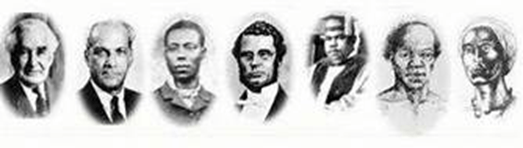
Marcus Garvey
Marcus Mosiah Garvey, born on August 17, 1887, in St. Ann’s Bay, Jamaica, is often regarded as the father of the Pan-African and Black nationalist movements. Garvey’s vision transcended national borders, as he sought to unite people of African descent worldwide. He founded the Universal Negro Improvement Association (UNIA), which encouraged self-reliance and self-respect among Black people. His “Back to Africa” movement aimed to establish a nation for African Americans in Africa, fostering a sense of pride and unity.
Garvey’s legacy includes the Black Star Line, a shipping company intended to facilitate the transportation of African Americans to Africa. His stirring speeches and writings, such as “The Negro Speaks of Rivers” and “Declaration of the Rights of the Negro Peoples of the World,” inspired generations of Black activists and leaders, including Martin Luther King Jr. and Malcolm X.
Nanny of the Maroons
Nanny, also known as Queen Nanny, was a Maroon leader who played a pivotal role in Jamaica’s history during the late 17th and early 18th centuries. She is celebrated as a heroine for her leadership and tactical brilliance in the fight for freedom against British colonial forces. Nanny, believed to be of Ashanti descent, was a symbol of resistance against the oppression and enslavement of the Jamaican Maroon community.
Nanny’s guerrilla warfare tactics and her ability to unite and lead the Maroons in a relentless fight for independence earned her a revered place in Jamaican history. The Maroons, who maintained their independence in the rugged interior of the island, eventually forced the British to sign treaties that recognized their autonomy. Nanny’s legacy continues to inspire Jamaicans to stand up for their rights and fight against oppression.
Paul Bogle
Paul Bogle, born in St. Thomas, Jamaica, in 1822, was a Baptist deacon and a prominent figure in the Morant Bay Rebellion of 1865. This rebellion was a significant event in Jamaica’s history, triggered by severe social and economic injustices experienced by the island’s Black population. Bogle led a protest march to Morant Bay, where his impassioned speeches and calls for justice soon escalated into a violent confrontation with British authorities.
While the Morant Bay Rebellion ultimately ended in bloodshed and the execution of Paul Bogle, it marked a turning point in Jamaica’s struggle for justice and equality. Bogle’s sacrifice and unwavering commitment to the rights of the oppressed are remembered as a catalyst for political change. In 1969, Paul Bogle was posthumously declared a national hero for his valiant efforts to address the grievances of the underprivileged.
George William Gordon
Born in 1820 in Jamaica, George William Gordon was a wealthy mulatto who dedicated his life to advocating for the rights of Black Jamaicans. Gordon’s activism was rooted in his opposition to the widespread injustices faced by Black Jamaicans and the harsh treatment of peasants by colonial authorities and landowners.
Gordon was a member of the Jamaica House of Assembly, where he used his platform to challenge the oppressive laws and policies of the colonial government. His outspokenness and advocacy for the impoverished earned him the enmity of the British authorities. During the Morant Bay Rebellion, Gordon was falsely implicated and arrested, leading to his unjust execution.
George William Gordon’s courageous stand for justice and equality in the face of adversity solidified his place as one of Jamaica’s national heroes, and he is remembered for his contributions to the struggle for human rights and justice.
Sam Sharpe
Sam Sharpe, born in Montego Bay in the early 19th century, is celebrated as a national hero for his pivotal role in the 1831-1832 Baptist War, also known as the Christmas Rebellion. Sharpe, a literate slave and Baptist deacon, was a charismatic and influential figure among the enslaved population in Jamaica.
Sharpe’s leadership and call for nonviolent protest to end slavery inspired thousands of enslaved people to demand their freedom through peaceful demonstrations and strikes. Although the rebellion eventually turned violent, it played a significant role in pushing the British government to enact the Emancipation Act of 1833, which led to the abolition of slavery throughout the British Empire.
Sam Sharpe’s dedication to the cause of freedom and his commitment to nonviolence have left an enduring legacy, and he is remembered as a hero who helped bring an end to the institution of slavery in Jamaica.
Sir Alexander Bustamante
Sir Alexander Bustamante, born in 1884, was a prominent Jamaican labor leader and politician who played a key role in the struggle for workers’ rights and Jamaican independence. Bustamante founded the Bustamante Industrial Trade Union (BITU) and used it to advocate for better working conditions and fair wages for Jamaican laborers.
In addition to his labor activism, Bustamante was a driving force in the movement for self-governance and independence. He was a co-founder of the Jamaica Labour Party (JLP) and became Jamaica’s first Prime Minister in 1962 when the nation gained independence from British colonial rule.
Sir Alexander Bustamante’s contributions to labor rights and Jamaican independence earned him the title of a national hero, and he is remembered for his significant impact on the nation’s political and social landscape.
Norman Manley
Norman Washington Manley, born in 1893, was a prominent Jamaican politician, statesman, and lawyer who played a crucial role in the fight for Jamaican independence. He was a co-founder of the People’s National Party (PNP) and was dedicated to achieving self-governance and social reform.
Manley was a skilled lawyer who used his legal expertise to advance the causes of workers and marginalized communities. He also played a leading role in the negotiations with the British government that led to Jamaica’s independence in 1962. Norman Manley’s commitment to justice, democracy, and social equity has solidified his status as one of Jamaica’s national heroes.
Jamaica’s seven national heroes and heroine represent a diverse group of individuals who have made significant contributions to the nation’s history. From Marcus Garvey’s global vision of Black empowerment to Nanny’s heroic leadership of the Maroons, and from Paul Bogle’s fight against social injustices to Sam Sharpe’s peaceful resistance to slavery, these figures have left an indelible mark on Jamaica’s collective consciousness.
In more recent history, Sir Alexander Bustamante and Norman Manley played essential roles in the nation’s political development and eventual independence. Their dedication to labor rights, self-governance, and social reform shaped Jamaica’s trajectory as a modern nation.
These national heroes and heroine serve as a source of inspiration and a reminder of the enduring spirit of resilience, justice, and equality that continues to define Jamaica’s identity. Their legacies live on, and their stories provide a powerful example of what individuals can achieve when they commit themselves to the betterment of their communities and their nation. Jamaica’s rich history is a testament to the enduring impact of these remarkable figures.
 Read It Yourself Educational Resources
2 thoughts on “Jamaica’s Six National Heroes and One Heroine”