Here are some specific examples and case studies related to Jamaica that you can incorporate into your Grade 6 lesson plan to make it more relatable to the students:
Learning Objectives: By the end of this lesson, students will be able to:
- Define the environment: Formulate a definition of the environment that includes living and non-living components.
- Explain the importance of conserving the natural environment: Justify the significance of preserving Jamaica’s natural environment for the well-being of present and future generations.
- Identify key environmental challenges in Jamaica: Recognize specific environmental issues faced by Jamaica, such as deforestation, coral reef degradation, plastic pollution, and endangered species conservation.
- Analyze conservation efforts: Examine real-life examples of conservation efforts in Jamaica, understanding the roles of organizations, government initiatives, and community involvement in addressing environmental challenges.
- Engage in critical discussions: Participate in group discussions, activities, and Q&A sessions to deepen understanding and encourage active involvement in environmental conservation.
These learning objectives will guide student understanding, focus their engagement, and help them measure their progress in the lesson. They can serve as a reference point throughout the class to ensure that the key concepts are effectively communicated and absorbed by the students.
Case Study – Example 1: Deforestation in the Cockpit Country
Background: The Cockpit Country is a unique and biodiverse karst limestone region in Jamaica. It is home to a variety of plant and animal species, including many that are found nowhere else on the island. However, the Cockpit Country has faced threats from deforestation, primarily due to bauxite mining and agricultural activities.
Introduction: Begin by explaining what deforestation is and why it’s a concern for the environment.
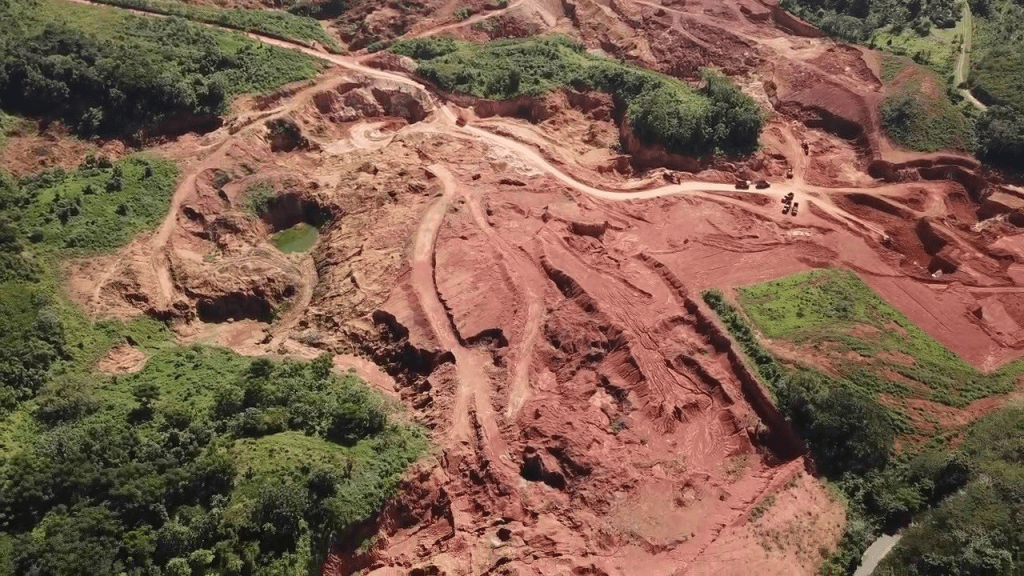
Jamaican Context: Discuss the issue of deforestation in the Cockpit Country, a unique karst limestone region in Jamaica known for its biodiversity. Explain how deforestation for bauxite mining and agriculture has been a major threat to this environment.
Discussion Points:
Why is the Cockpit Country important for Jamaica’s natural environment?
How does deforestation affect the flora and fauna in the Cockpit Country?
What are the long-term consequences of deforestation in this area?
What conservation efforts are in place to protect the Cockpit Country?
Conservation efforts in place for Deforestation in the Cockpit Country, highlighting the roles of organizations, government initiatives, and community involvement in Jamaica:
Organizations: Jamaica Environment Trust (JET) has been actively involved in advocating for the protection of the Cockpit Country. They have organized campaigns, conducted research, and engaged in legal efforts to protect this critical karst landscape.
Government Initiatives: The Jamaican government declared the Cockpit Country a Protected Area in 2017, providing legal protection to a significant portion of this unique region. The government has also sought to regulate and manage mining activities to minimize their impact.
Community Involvement: Local communities in and around the Cockpit Country have played a vital role in raising awareness, organizing protests, and participating in conservation initiatives. They often work in collaboration with organizations like JET to protect the area.
Discussion Questions for Cockpit Country Conservation:
Discussion Question 1: What are some specific challenges faced by the Cockpit Country in terms of conservation, and how can local communities contribute to its protection?
Discussion Question 2: How do mining and agriculture impact the natural environment in the Cockpit Country, and what regulations or initiatives can be implemented to address these issues?
Group Activity: Conservation Action Plan
In groups, students can create a conservation action plan for the Cockpit Country. Each group can focus on a specific aspect, such as raising awareness, supporting local communities, or advocating for stronger regulations. They can present their plans to the class.
Online Resources for Cockpit Country:
Jamaica Environment Trust (JET) – Cockpit Country: Explore JET’s resources and campaigns related to the Cockpit Country.
National Environment and Planning Agency (NEPA) – Cockpit Country: NEPA’s website may contain information on regulations and conservation efforts in the Cockpit Country.
You can invite a representative from a local community near the Cockpit Country to share their experiences in organizing protests, raising awareness, and collaborating with organizations like Jamaica Environment Trust (JET) to protect the region. They can discuss how community involvement played a crucial role in the successful protection of a portion of the Cockpit Country.
Case Study – Example 2: Coral Reef Conservation in Negril
Background: Negril, a popular tourist destination in Jamaica, is known for its stunning coral reefs. These coral reefs are not only important for biodiversity but also play a critical role in supporting the local economy through tourism and fisheries. However, these reefs have been threatened by factors such as pollution and overfishing.
Introduction: Introduce the concept of coral reefs and their importance in marine ecosystems.

Jamaican Context: Discuss the coral reefs in Negril, a popular tourist destination in Jamaica. Explain how coral reefs support marine life, tourism, and the local economy.
Discussion Points:
Why are coral reefs important for Jamaica’s environment and economy?
How does pollution and overfishing impact coral reefs in Negril?
What can individuals and communities do to help conserve coral reefs?
Highlight the success stories of local coral reef conservation initiatives in Negril.
Conservation efforts in place for Coral Reef Conservation in Negril, highlighting the roles of organizations, government initiatives, and community involvement in Jamaica:
Organizations: The Negril Coral Reef Preservation Society (NCRPS) is a local organization dedicated to the conservation of coral reefs in Negril. They conduct reef monitoring, restoration projects, and educational outreach.
Government Initiatives: The Jamaican government has designated specific marine protected areas around Negril, such as the Negril Marine Park, to safeguard coral reefs. These protected areas have regulations to limit destructive activities.
Community Involvement: Local dive shops, hotels, and community members often collaborate with organizations like NCRPS to support reef conservation efforts. They also participate in beach clean-ups and educational programs.
Discussion Questions for Coral Reef Conservation in Negril:
Discussion Question 1: Why are coral reefs important for Negril’s ecosystem, economy, and tourism industry?
Discussion Question 2: How can individuals and businesses in Negril contribute to coral reef conservation efforts, and what are the benefits of doing so?
Group Activity: Reef Health Assessment
Provide students with real or simulated data on the health of coral reefs in Negril over time. In groups, they can analyze the data and create presentations or reports on the trends and potential conservation actions needed.
Online Resources for Negril Coral Reef Conservation:
Negril Coral Reef Preservation Society: Explore the website of the NCRPS for information on their conservation initiatives.
Jamaica National Parks Trust – Negril Marine Park: Learn about the marine park’s regulations and conservation efforts.
Invite a member of the Negril Coral Reef Preservation Society (NCRPS) to speak to the students about their efforts in coral reef conservation. They can share their experiences in reef monitoring, restoration projects, and community engagement. Emphasize the positive impact these initiatives have had on preserving the coral reefs in Negril.
Case Study – Example 3: Plastic Pollution in Kingston Harbour
Background: Kingston Harbour is one of the largest natural harbors in the Caribbean and a vital part of Jamaica’s infrastructure. Unfortunately, plastic pollution has become a significant issue in the harbor, affecting both marine life and the surrounding communities. Plastic waste, including single-use plastics, has been a major contributor to this problem.
Introduction: Explain what plastic pollution is and its global impact on the environment.
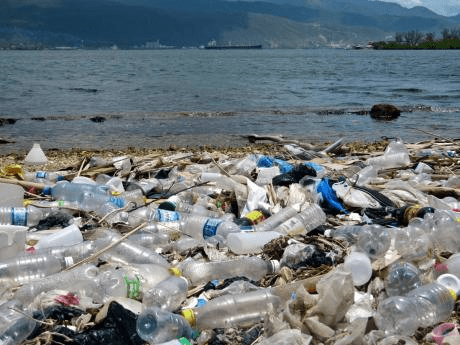
Jamaican Context: Discuss the issue of plastic pollution in Kingston Harbour, one of the largest natural harbors in the Caribbean. Explain how plastics are entering the water and affecting marine life.
Discussion Points:
How does plastic pollution affect the marine environment in Kingston Harbour?
What are some ways to reduce plastic pollution in our daily lives?
Are there any local initiatives or regulations aimed at reducing plastic pollution in Kingston Harbour?
What role can students play in raising awareness and addressing this issue?
Conservation efforts in place for Plastic Pollution in Kingston Harbour, highlighting the roles of organizations, government initiatives, and community involvement in Jamaica:
Organizations: The Jamaica Environment Trust (JET) has been involved in raising awareness about plastic pollution in Kingston Harbour. They organize beach clean-up events and advocate for plastic reduction measures.
Government Initiatives: The Jamaican government has implemented policies to reduce plastic waste, including a ban on single-use plastic bags and straws. The National Environment and Planning Agency (NEPA) monitors and enforces these regulations.
Community Involvement: Local communities and youth groups often participate in beach clean-ups and recycling programs in Kingston Harbour. Their involvement is crucial in reducing the amount of plastic entering the water.
Discussion Questions for Plastic Pollution in Kingston Harbour:
Discussion Question 1: What are the primary sources of plastic pollution in Kingston Harbour, and how can individuals reduce their contribution to this issue?
Discussion Question 2: How have government regulations and community clean-up efforts impacted plastic pollution in Kingston Harbour?
Group Activity: Plastic Pollution Awareness Campaign
In groups, students can design an awareness campaign to educate their peers and community about plastic pollution in Kingston Harbour. This could involve creating posters, social media posts, or informative presentations.
Online Resources for Plastic Pollution in Kingston Harbour:
Jamaica Environment Trust (JET) – Plastic Pollution: JET’s resources include information on plastic pollution and clean-up initiatives.
National Environment and Planning Agency (NEPA) – Plastic Ban: NEPA’s page provides information on Jamaica’s plastic ban and its impact.
Invite a representative from a local environmental organization that has been actively involved in beach clean-up initiatives in Kingston Harbour. They can share stories of community involvement, the amount of plastic waste removed, and the improvements observed over time. Highlight how collective action has made a significant difference.
Case Study – Example 4: Endangered Species – Jamaican Iguana
Background: The Jamaican iguana, also known as the Jamaican ground iguana, is a critically endangered reptile species found only in Jamaica. At one point, it was considered extinct until its rediscovery in the Hellshire Hills. Conservation efforts have been underway to protect and recover this unique species.
Introduction: Introduce the concept of endangered species and why their conservation is crucial.

Jamaican Context: Discuss the critically endangered Jamaican iguana, a unique reptile found only in Jamaica. Explain the factors that led to its near extinction and the efforts to save the species.
Discussion Points:
Why is the Jamaican iguana important for Jamaica’s biodiversity?
What were the main threats to the Jamaican iguana’s survival?
What conservation measures have been taken to protect this species?
How can students contribute to the conservation of endangered species in Jamaica?
Conservation efforts in place for Endangered Species – Jamaican Iguana , highlighting the roles of organizations, government initiatives, and community involvement in Jamaica:
Organizations: The Jamaican Iguana Recovery Program is a collaborative effort between organizations like Hope Zoo Kingston and international conservation groups. They conduct breeding, release, and monitoring programs for the Jamaican iguana.
Government Initiatives: The Jamaican government provides legal protection for the Jamaican iguana, making it illegal to harm or capture the species. They also support conservation efforts through legislation and funding.
Community Involvement: Local communities near the Hellshire Hills, where the iguanas are found, have been engaged in conservation education programs. They serve as stewards of the iguana’s habitat and report illegal activities.
Discussion Questions for Jamaican Iguana Conservation:
Discussion Question 1: Why is the Jamaican iguana considered a flagship species for conservation in Jamaica, and how can its conservation benefit other wildlife?
Discussion Question 2: What roles can local communities and international organizations play in the conservation of critically endangered species like the Jamaican iguana?
Group Activity: Create an Iguana Awareness Campaign
In groups, students can design an awareness campaign for the protection of the Jamaican iguana. This may involve creating posters, informational brochures, or short videos to educate the public about the iguana’s importance.
Online Resources for Jamaican Iguana Conservation:
Hope Zoo Kingston – Jamaican Iguana Recovery Program: Explore the efforts to conserve the Jamaican iguana through breeding and release programs.
International Iguana Foundation: Learn about international organizations supporting iguana conservation efforts.
Feature a guest speaker from the Jamaican Iguana Recovery Program or a local organization involved in iguana conservation. They can share stories of successful breeding and release programs, as well as how they’ve engaged local communities in protecting the critically endangered Jamaican iguana.
By incorporating these specific examples and case studies, you can help students understand the relevance of environmental conservation to Jamaica and the impact of their actions on their local environment.
These examples illustrate the importance of a multi-faceted approach to conservation that involves collaboration between environmental organizations, government agencies, and local communities. It highlights how legislation, research, advocacy, and community engagement work together to protect Jamaica’s natural environment. Students can learn from these examples that their involvement in conservation efforts can make a significant impact on their local environment.
The discussion questions, group activities, and online resources above will engage students actively in exploring and discussing conservation efforts in Jamaica and encourage them to take a more active role in protecting their natural environment.
Group Activity: Student-Generated Success Stories
In small groups, ask students to research and create success stories related to environmental conservation in Jamaica. They can choose one of the topics discussed in the lesson plan (e.g., Cockpit Country, Negril coral reefs, plastic pollution in Kingston Harbour, or Jamaican iguana conservation) and compile information about successful initiatives and the positive impact they’ve had. Each group can present their success story to the class.
Discussion Questions:
Discussion Question: How do these success stories inspire you to take action in environmental conservation?
Discussion Question: What lessons can we learn from these local conservation efforts that can be applied in our own lives and communities?
Discussion Question: How can students contribute to similar success stories in the future?
By incorporating local success stories and testimonies, students can connect with real-life examples of environmental conservation efforts and gain a deeper understanding of the impact they can make in their own communities. It can also motivate them to take action and become environmental stewards themselves.
 Read It Yourself Educational Resources
One thought on “Examples and Case Studies – Environment and Conservation”