Nurturing Collaboration and Curiosity:
Education extends beyond textbooks; it encompasses skills that shape individuals as responsible and effective members of society. In this blog post, we delve into the art of carrying out fair tests, the power of cooperative learning, and the significance of respecting diverse ideas. These skills, as highlighted by Jamaica’s National Standard Curriculum, not only enrich classroom experiences but also mold future leaders with a holistic outlook on life.
Subscribe to download Lesson Plan
Get the complete download of Gr. 4 – Understanding Fair Tests and Cooperative Learning – Week 2 when you subscribe today.
Carrying Out a Fair Test: Unlocking Truths through Science
Science is driven by curiosity and systematic exploration. Carrying out a fair test is a pivotal aspect of scientific inquiry that ensures accurate and reliable results. But what exactly is a fair test?
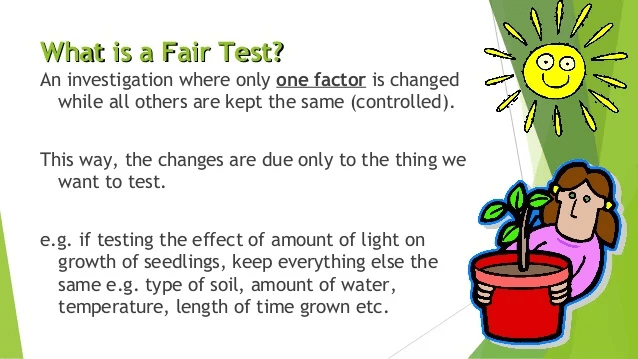
A fair test involves changing one variable while keeping all other factors constant. This enables us to pinpoint the impact of the variable under examination. For instance, if we’re testing how different amounts of sunlight affect plant growth, we must maintain consistent soil, water, and other conditions.
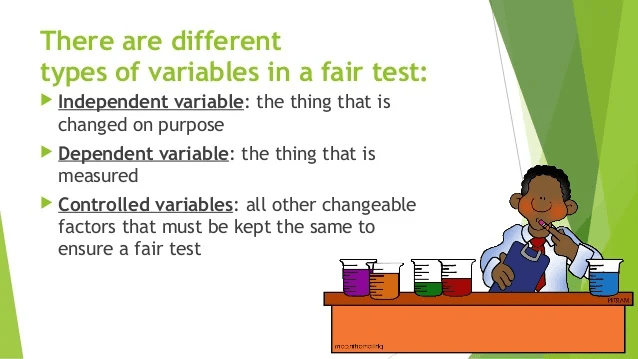
Engaging students in fair tests not only hones their analytical skills but also nurtures an understanding of the scientific method. It encourages them to observe, question, hypothesize, experiment, and analyze data critically. The journey of conducting a fair test instills a sense of wonder and curiosity, fostering the next generation of inquisitive minds.
Cooperative Learning: Unleashing the Power of Teamwork
The ability to collaborate is a cornerstone of success in the modern world. Cooperative learning not only enhances academic understanding but also nurtures essential life skills. In collaborative settings, students work together to achieve common goals, share insights, and combine strengths. This approach reflects real-world scenarios where diverse perspectives converge to solve complex challenges.
During cooperative learning activities, students experience the beauty of diversity – different perspectives leading to richer solutions. This collaborative spirit promotes active listening, effective communication, negotiation, and problem-solving. Such experiences lay the foundation for a harmonious and inclusive society that values collective progress over individual achievements.
Respecting Ideas: Fostering an Inclusive Learning Environment
A classroom is a microcosm of society, representing diverse backgrounds, cultures, and viewpoints. Teaching students to respect the ideas of others is more than just an academic exercise; it’s a life lesson that cultivates empathy and open-mindedness.
Encouraging students to express their ideas freely while listening to their peers’ perspectives promotes a safe space for constructive dialogue. This practice nurtures respect for diversity and teaches students that every voice has value. As they grow, they’ll carry this skill into various spheres of life, fostering relationships built on mutual understanding and shared progress.
As we navigate the evolving landscape of education, it’s imperative to prioritize skills that extend beyond rote memorization. Jamaica’s National Standard Curriculum emphasizes the significance of carrying out fair tests, working cooperatively in groups, and showing respect for diverse ideas. By fostering these skills, educators lay the foundation for well-rounded individuals who not only excel academically but also contribute positively to their communities. As we encourage curiosity, collaboration, and empathy, we nurture a generation poised to shape a brighter, more harmonious future.
 Read It Yourself Educational Resources
One thought on “A Guide to Fair Tests and Cooperative Learning”