Unveiling the Wonders of Science and Scientists: A Journey of Discovery
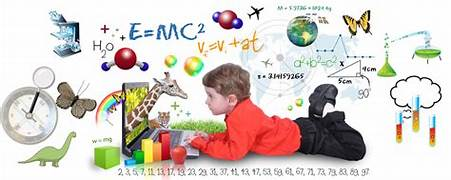
Science is all around us, shaping our world and the way we understand it. It’s not just a subject taught in classrooms; it’s a way of thinking and exploring the mysteries of our universe. In this blog post, we will delve into the captivating world of science, its fundamental characteristics, the remarkable role of scientists, and the unique skills and attitudes that drive their pursuit of knowledge.
Subscribe to download Lesson Plan
Get the complete download of Gr. 4 – Introduction to Science and Scientists – Week 1 when you subscribe today.
Defining Science and Its Key Characteristics:
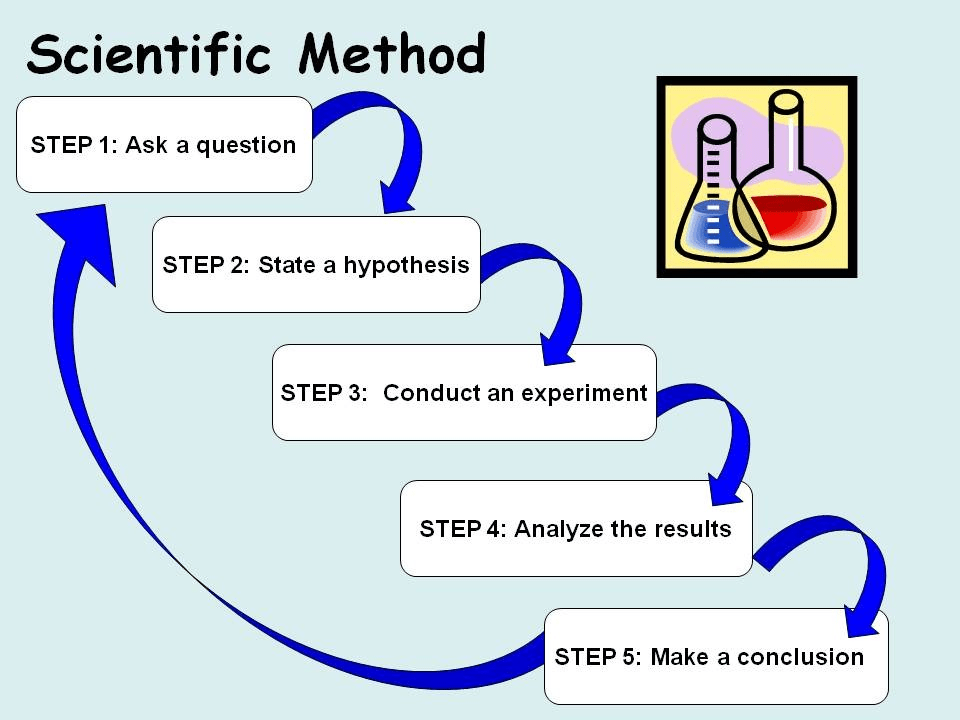
At its core, science is a methodical and systematic approach to uncovering the truths about the natural world. It involves making observations, asking questions, forming hypotheses, conducting experiments, collecting data, and drawing conclusions. This dynamic process is characterized by its evidence-based nature, which means that scientific knowledge is built upon concrete evidence and experimentation.
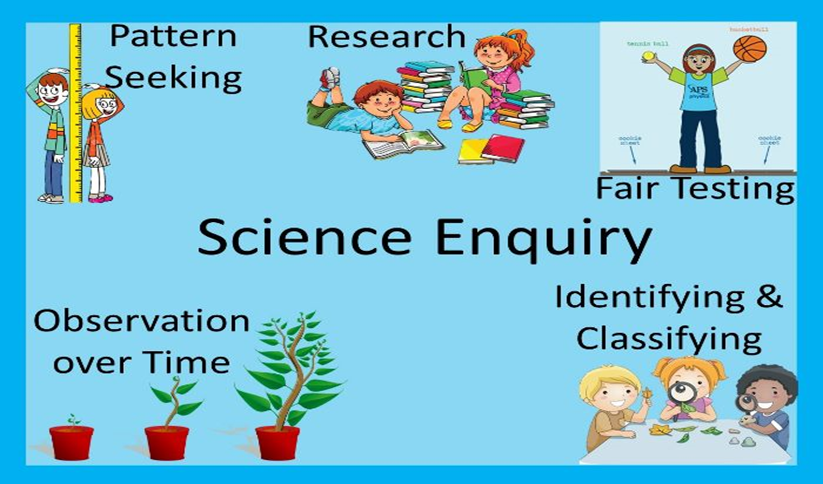
The key characteristics of science include:
Empirical Evidence: Scientific knowledge is grounded in real-world observations and measurements, making it reliable and verifiable.
Objectivity: Scientists strive to remain impartial and neutral, allowing them to analyze data without bias.
Predictability: Scientific theories and principles enable predictions about natural phenomena, leading to technological advancements and innovations.
The Role of Scientists in Exploring and Understanding the Natural World:
Scientists are modern-day explorers who venture into the unknown territories of knowledge. They dedicate their lives to unraveling the mysteries of the universe, from the smallest particles to the vastness of space. Through rigorous research and experimentation, scientists contribute to our understanding of natural phenomena and the complex interactions that govern our world.
Consider the case of renowned scientist Marie Curie, who tirelessly researched radioactivity, paving the way for breakthroughs in medical and industrial fields. Similarly, Jane Goodall’s studies of chimpanzees provided insights into animal behavior and conservation. Scientists contribute to society not only by expanding our knowledge but also by addressing critical challenges such as climate change, disease prevention, and technological innovation.
Skills and Attitudes that Drive Scientific Exploration:
The journey of a scientist is not only marked by expertise but also by a unique set of skills and attitudes that fuel their quest for discovery.
Skills:
Observation: Scientists possess keen observational skills, allowing them to notice even the tiniest details that others might overlook.
Critical Thinking: They analyze data, identify patterns, and draw logical conclusions, challenging assumptions and pushing boundaries.
Problem-Solving: Scientists approach complex problems systematically, breaking them down into manageable parts to find innovative solutions.
Collaboration: Collaboration with peers fosters diverse perspectives, leading to richer insights and more comprehensive research.
Communication: Effective communication skills enable scientists to share their findings with the world, from scholarly articles to public lectures.

Attitudes:
Curiosity: The driving force behind scientific exploration, curiosity compels scientists to ask questions and seek answers.
Patience: Many scientific breakthroughs require years of dedication and perseverance, demonstrating the importance of patience.
Open-Mindedness: Scientists are open to new ideas and are willing to revise their beliefs based on evidence.
Skepticism: Healthy skepticism encourages scientists to question assumptions and demand robust evidence.
Ethical Responsibility: Scientists recognize the ethical implications of their work and strive to ensure that their research benefits society and the environment.
Science is a captivating journey that uncovers the mysteries of the natural world, driven by the passion and dedication of scientists. Through their skills, attitudes, and unrelenting pursuit of knowledge, scientists illuminate the darkness of ignorance and pave the way for progress, innovation, and a better understanding of our place in the universe. So let’s celebrate the remarkable journey of science and honor the scientists who shape our world’s destiny.
Please see the related topics Below:
Exploring Methods and Investigations of Science
Exploring the Lives and Legacies of Marie Curie, Albert Einstein, and Jane Goodall
 Read It Yourself Educational Resources
One thought on “Introduction to Science and Scientists”