Hello, Grade Six students! Welcome to an exciting adventure into the world of mathematics. Today, we’re going to dive into the fascinating concept of sets, where you’ll discover how everyday objects can come together to form magical collections. Are you ready? Let’s get started!
What is a Set?
Imagine you have a box full of colorful marbles, candies, or even your favorite toys. When you group these items together based on some common feature, like color or shape, you create what we call a “set.”

A set of solid shape
A set is a collection of objects that share something in common.
It’s like having your very own treasure chest filled with special items!
Getting to Know Elements and Subsets
Now, let’s open the treasure chest and explore its contents. Each individual item inside the set is called an “element.” These elements make the set unique and exciting! For example, if we have a set of fruits, elements could include apples, bananas, and oranges.

But wait, there’s more magic to uncover! Sometimes, within a set, you can find smaller groups that share something unique. These smaller groups are called “subsets.” Subsets are like secret compartments within the treasure chest. If our set of fruits includes only tropical fruits, then the subset would have elements like mangoes, pineapples, and papayas.
Representing Sets
Now, let’s learn how to write down our sets in a special way so we can easily share them with others. There are two common methods: roster form and set-builder notation.
- Roster Form: In roster form, we list all the elements of the set inside curly braces {}. For example, a set of even numbers less than 10 would look like this: {2, 4, 6, 8}.
- Set-Builder Notation: In set-builder notation, we describe the properties that the elements in the set must have. For the same set of even numbers less than 10, set-builder notation would be written as: {x | x is an even number, and x < 10}.
Exploring Real-Life Sets
Sets are not just limited to numbers; they are all around us! Let’s explore some real-life sets:
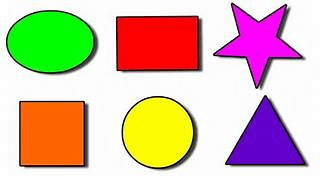
Set of Shapes:
This set can include elements like circles, squares, triangles, and rectangles.
Set of Animals:
This set can include elements like lions, elephants, zebras, and giraffes.

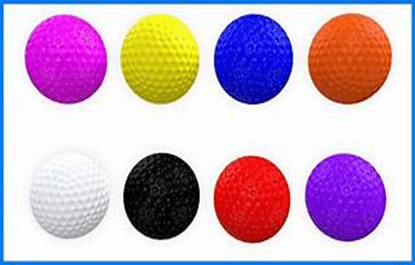
Set of Colors:
This set can include elements like red, blue, yellow, green, and more!
Congratulations, Grade Six students! You’ve now unlocked the secrets of sets and explored their enchanting world. You can use sets to organize objects, group things by common features, and describe them in a fun and magical way.
The next time you come across a collection of objects, whether it’s your toy box or a basket of fruits, remember that you can create a set and discover the magic of collections. So, go ahead and explore the world of sets, and let your imagination soar!
Happy math adventures!
Please see Related Topics:
The Fascinating World of Sets: Exploring Finite and Infinite Treasures
The Mystery of Empty Sets: Unveiling the Enigma of Null Elements
Exploring the Wonderful World of Sets: Finding Treasures Within!
Grade Five Mathematics Practice Test: Exploring Sets and Notations
 Read It Yourself Educational Resources
2 thoughts on “Fun with Sets: Exploring the Magic of Collections”