Welcome to our informative blog post, where we embark on an exciting journey into the human body. Today, we will focus on an essential objective from Jamaica’s National Standard Curriculum: locating the stomach and lungs in the human body. Understanding the location of these vital organs is not only fascinating but also crucial for our overall health and well-being. So, let’s dive into this educational exploration together!
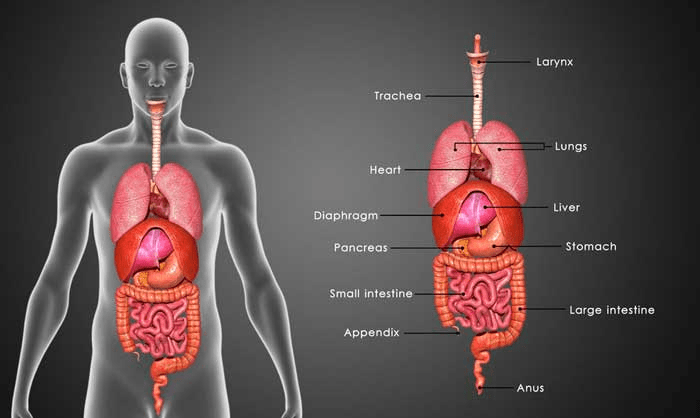
Discovering the Stomach:
The stomach is a remarkable organ that plays a crucial role in our digestive system. It is located in the abdominal area, commonly known as the belly. The stomach is like a muscular pouch, designed to hold and break down the food we eat.
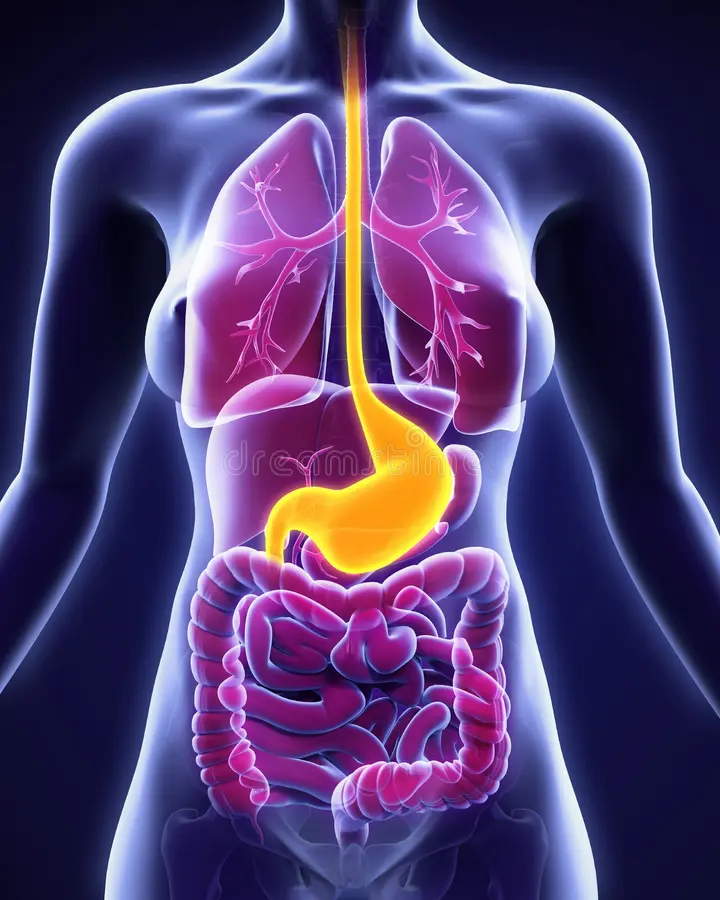
Location of the Stomach:
To locate your stomach, place your hand just below your ribcage in the center of your abdomen. This area houses your stomach. It is important to note that the size and position of the stomach can change based on whether it’s full or empty.
The Stomach’s Digestive Role: Once food enters the stomach, it mixes with digestive juices that break it down into smaller particles. These juices contain acids and enzymes that help digest the food further. After this process, the partially digested food moves into the small intestine for further absorption of nutrients.
Discovering the Lungs:
The lungs are an essential part of our respiratory system, enabling us to breathe and exchange oxygen and carbon dioxide. They play a vital role in sustaining life.
Location of the Lungs:
The lungs are situated in the chest or thoracic cavity, protected by the ribcage. They lie on either side of the heart, filling up much of the chest space.

The Lungs’ Respiratory Role: When we breathe, air enters the body through the nose or mouth and travels down the windpipe (trachea) into the lungs. Inside the lungs, the oxygen from the air enters the bloodstream, providing essential nourishment to our cells. At the same time, the lungs expel carbon dioxide, a waste product of cellular respiration, from the body when we exhale.
Importance of Knowing the Location:
Understanding the location of the stomach and lungs is crucial for various reasons:
- Health Awareness: By knowing the position of these organs, we can be more aware of any discomfort or abnormalities that may arise, prompting timely medical attention.
- Proper Nutrition: Understanding the location of the stomach helps us appreciate the significance of chewing our food thoroughly, aiding the digestion process.
- Respiratory Health: Awareness of the lungs’ position encourages us to maintain a healthy lifestyle, avoiding harmful substances that may damage our respiratory system.
Congratulations on discovering the locations of the stomach and lungs in the human body! Equipped with this knowledge, we can appreciate the intricate workings of our bodies and take steps to prioritize our health and well-being. Remember, the human body is a marvelous creation, and understanding its functions empowers us to lead healthier and happier lives!
Note to Readers:
This blog post highlights the importance of locating the stomach and lungs in the human body, aligned with Jamaica’s National Standard Curriculum objective. By understanding these vital organs, we become more mindful of our health and lifestyle choices. Should you have any specific concerns or questions, consult healthcare professionals for personalized advice. Let’s continue our journey towards a healthier and happier self!
 Read It Yourself Educational Resources