Problem-solving is an essential skill that allows us to overcome challenges and find innovative solutions. When it comes to tackling complex problems, having a systematic strategy can make a significant difference.
In this blog post, we will explore the Cubes problem-solving strategy, a versatile approach that encourages critical thinking and helps unravel solutions from different perspectives. By leveraging the power of visualization and analysis, the Cubes strategy empowers problem solvers to break down problems and approach them from various angles.

Step 1: Define the Problem:
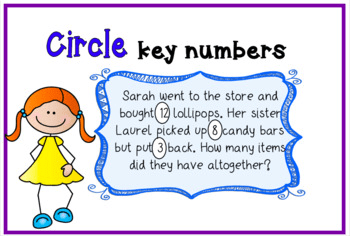
The first step in the Cubes problem-solving strategy is to define the problem clearly. Take the time to understand the problem statement and identify the key components and requirements. Ensure you have a complete understanding of what needs to be solved and any constraints or limitations that exist.

Step 2: Visualize the Problem:

Visualization is at the core of the Cubes strategy. Imagine the problem as a three-dimensional cube. Each face of the cube represents a different aspect or element of the problem. Visualize the relationships between these elements and how they interact with one another.

Step 3: Analyze Each Face:
Now, analyze each face of the cube individually. Break down the problem into its essential components and consider the different perspectives associated with each face. Ask questions related to each face, such as “What information do I have?” and “What additional information do I need?”

Step 4: Rotate the Cube:
In this step, mentally rotate the cube to view the problem from different angles. Challenge yourself to approach the problem from various perspectives, considering different strategies, assumptions, or alternative interpretations. This rotational view allows you to explore new possibilities and uncover unique insights.

Step 5: Synthesize the Solutions:
As you analyze each face and rotate the cube, start synthesizing potential solutions. Take the information gathered from different perspectives and combine them to form a comprehensive solution. Consider how the different elements of the problem interact and how adjustments in one area might affect the overall outcome.
Step 6: Evaluate and Refine:
Evaluate the synthesized solution against the problem’s requirements and constraints. Assess its feasibility, practicality, and effectiveness. If necessary, refine and adjust the solution based on your evaluation. Continuously iterate and improve until you arrive at the most suitable and optimal solution.
In conclusion: The Cubes problem-solving strategy offers a unique approach to unraveling complex problems by leveraging visualization and analysis. By visualizing the problem as a three-dimensional cube, breaking it down into its essential components, rotating the cube to explore different perspectives, synthesizing solutions, and evaluating and refining the outcomes, you can effectively navigate through intricate problem-solving scenarios. The Cubes strategy encourages critical thinking, creativity, and a holistic view of problem-solving, enabling you to unlock solutions from all angles. Embrace the power of the Cubes strategy and expand your problem-solving capabilities to overcome challenges and find innovative solutions in various aspects of your life.
See related Topics:
Writing and Solving word problems
 Read It Yourself Educational Resources