Drug use and abuse are two sides of the same coin. While the use of drugs can have therapeutic benefits, their abuse can lead to a variety of physical and mental health problems.
Drugs have been an integral part of human culture throughout history, serving various purposes from medicinal to recreational. While some drugs have legitimate uses, the misuse and abuse of substances have become a pressing global issue. It is essential to gain a comprehensive understanding of drugs, their use, and the consequences of abuse in order to create a healthier society.In this blog post, we will explore and discuss the different types and aspect of drugs, their uses, and the consequences of their abuse, shedding light on the potential dangers and offering insights into prevention and support
Types of Drugs and their Uses
The world of drugs encompasses a wide array of substances, each with its unique effects and purposes. It is crucial to differentiate between drugs used for medicinal purposes and those taken recreationally. Medicinal drugs, when used appropriately under professional guidance, can provide relief from illness, manage symptoms, or improve overall well-being. Examples include antibiotics, painkillers, antidepressants, and chemotherapy drugs.

On the other hand, recreational drugs are typically taken to alter one’s mental state, induce euphoria, or enhance social experiences. These substances include alcohol, marijuana, cocaine, heroin, hallucinogens, and synthetic drugs. Recreational drug use carries higher risks due to their potential for addiction, overdose, and adverse health effects.
There are several types of drugs, including:
Prescription drugs:
These are drugs that are prescribed by doctors to treat medical conditions. They include painkillers, tranquilizers, and stimulants.

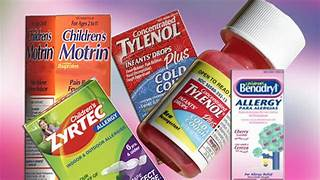
Over-the-counter drugs:
These are drugs that can be purchased without a prescription. They include pain relievers, cold and flu remedies, and allergy medications.
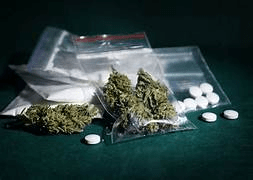
Recreational drugs:
These are drugs that are used for their pleasurable effects. They include marijuana, cocaine, heroin, and methamphetamine.
Uses of Drugs
Prescription drugs are used to treat a variety of medical conditions. Painkillers are prescribed to relieve pain, while tranquilizers are prescribed to reduce anxiety and promote sleep. Stimulants are used to treat attention deficit hyperactivity disorder (ADHD) and narcolepsy.
Over-the-counter drugs are used to treat common ailments such as headaches, colds, and allergies.
Recreational drugs are used for their pleasurable effects. Marijuana is used to induce relaxation and alter perception, while cocaine and methamphetamine are used for their stimulant effects. Heroin is used to induce a feeling of euphoria.
The Slippery Slope: From Use to Abuse
The line between drug use and abuse can be blurry, and individuals often find themselves transitioning from casual use to problematic patterns. Experimentation and recreational use may seem harmless initially, but continued misuse can lead to physical and psychological dependence, addiction, and a host of associated problems.
Factors such as genetic predisposition, mental health conditions, social environment, and personal circumstances can contribute to the development of drug abuse. Understanding the risk factors and recognizing the signs of abuse can help individuals, families, and communities intervene at an early stage to prevent further harm.
Consequences of Drug Abuse
Drug abuse can have far-reaching consequences that extend beyond the individual. Physically, substance abuse can damage vital organs, impair cognitive function, and increase the risk of infectious diseases. Psychologically, drug abuse can lead to mental health disorders such as depression, anxiety, psychosis, and even suicidal thoughts.
Drug abuse can have a variety of physical and mental health consequences. Physical consequences of drug abuse include:
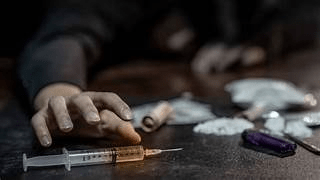
Addiction:
Continued drug abuse can lead to addiction, which is a chronic disease characterized by compulsive drug-seeking behavior.
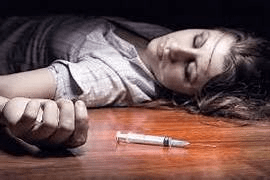
Overdose:
Overdose can occur when a person takes too much of a drug or takes a drug that interacts with other drugs they are taking.

Cardiovascular problems:
Drug abuse can lead to cardiovascular problems such as heart attack, stroke, and high blood pressure.
Socially, drug abuse can strain relationships, lead to financial difficulties, jeopardize employment opportunities, and increase the likelihood of criminal activities. Furthermore, the ripple effect of drug abuse affects families, communities, and society as a whole, resulting in increased healthcare costs, reduced productivity, and a strain on law enforcement and judicial systems.
Mental consequences of drug abuse include:
Depression:
Drug abuse can lead to depression, a mood disorder characterized by feelings of sadness and hopelessness.

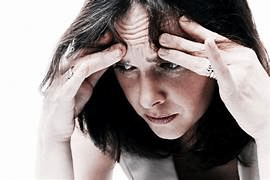
Anxiety:
Drug abuse can also lead to anxiety, a disorder characterized by excessive worry and fear.
Psychosis:
Drug abuse can lead to psychosis, a mental disorder characterized by delusions and hallucinations.

Prevention and Intervention
Prevention is key to addressing drug abuse and creating a healthier society. Education plays a pivotal role in equipping individuals with knowledge about the risks associated with drug use and the strategies to make informed decisions. Schools, families, and communities should work together to promote drug education programs that emphasize the importance of healthy coping mechanisms, peer support, and the consequences of substance abuse.
Furthermore, early intervention is critical in helping individuals struggling with drug abuse. Establishing accessible and comprehensive treatment options, including counseling, therapy, and support groups, can assist those in need to recover and reintegrate into society. Empathy, compassion, and non-judgmental attitudes are essential components in supporting individuals on the path to recovery.
The Role of Public Policy
Public policy plays a significant role in tackling drug abuse. Governments should adopt evidence-based approaches that balance law enforcement with public health strategies. This includes implementing harm reduction programs, such as needle exchange programs and safe injection sites, as well as providing access to affordable and quality treatment options.
Furthermore, policy efforts should focus on reducing the stigma associated with drug abuse, promoting rehabilitation and reintegration, and addressing the social determinants that contribute to substance abuse, such as poverty, unemployment, and lack of access to education.
In conclusion, while drugs can have therapeutic benefits, their abuse can lead to a variety of physical and mental health problems. It is important to use drugs only as prescribed by a doctor or as directed on the label of over-the-counter drugs. If you or someone you know is struggling with drug abuse, seek help from a healthcare professional.
 Read It Yourself Educational Resources