Introduction:
Water is a clear, colourless, odorless, and tasteless liquid that is essential for life on Earth. It covers approximately 71% of the Earth’s surface and is found in various forms such as rivers, lakes, oceans, and groundwater. It is important for students to understand the properties of water and how they relate to living organisms.

Physical Properties of Water:
Water has a number of physical properties that make it unique. Some of these properties include:

Cohesion and Adhesion:
Water molecules are attracted to each other due to the hydrogen bonds between them. This creates a property called cohesion, which allows water to stick together in droplets. Water molecules are also attracted to other surfaces, which creates a property called adhesion. This allows water to climb up a plant stem through tiny tubes called xylem.
Surface Tension:
The cohesive forces between water molecules create a property called surface tension. This allows insects to walk on water without sinking.


Density:
Water is less dense as a solid than as a liquid, which is why ice floats on water.
Specific Heat: Water has a high specific heat capacity, which means it can absorb a lot of heat energy without a significant rise in temperature. This is important for regulating the temperature of living organisms.
Chemical Properties of Water:
Water also has a number of chemical properties that make it unique. Some of these properties include:

Solvent Properties:
Water is known as the universal solvent because it can dissolve many substances. This is important for living organisms because it allows nutrients and other important substances to be transported throughout the body.
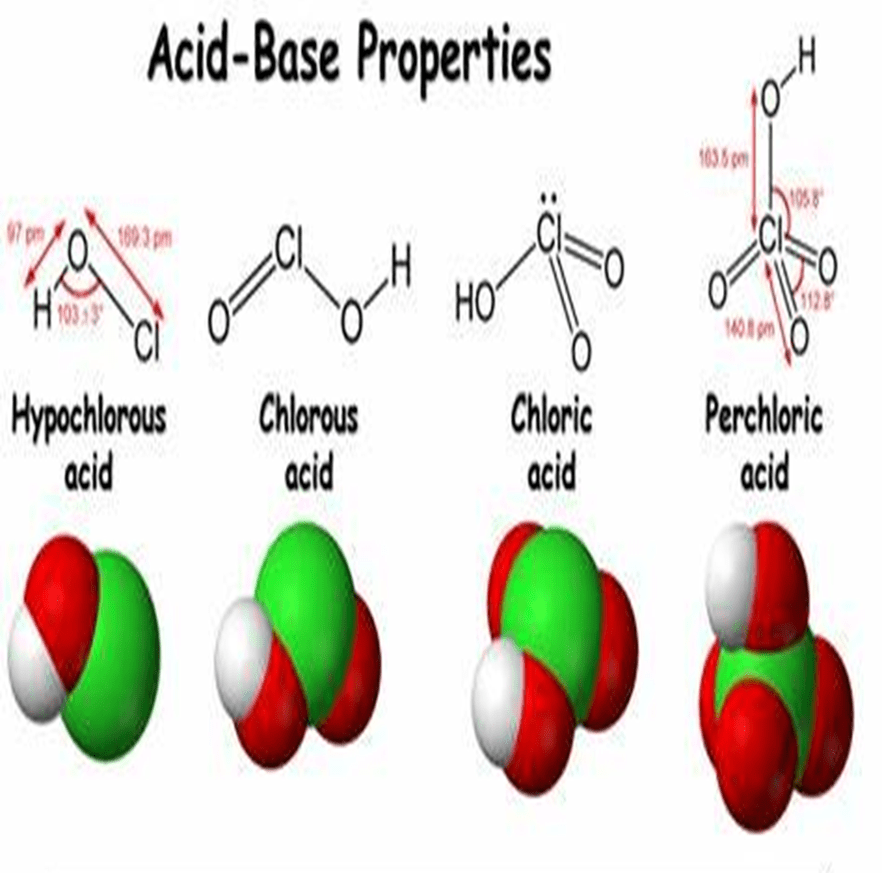
Acid-Base Properties:
Water is neutral with a pH of 7, but it can act as both an acid and a base. This is important for maintaining the pH balance in the body.

Heat of Vaporization:
Water has a high heat of vaporization, which means it takes a lot of energy to turn water into vapor. This is important for regulating the temperature of the body and the environment.
Importance of Water:
The properties of water make it essential for life on Earth. Water is necessary for survival as it is needed for many bodily functions such as digestion, circulation, and waste removal. It also plays a crucial role in the environment by supporting ecosystems and regulating the Earth’s temperature.
Conclusion:
In conclusion, water is an important substance that plays a crucial role in the survival of living organisms and the regulation of the environment. Understanding the properties of water is important for understanding its importance and the role it plays in the world around us.
Please see Grade 4 Lesson Plan on the properties of water.
 Read It Yourself Educational Resources
3 thoughts on “Properties of Water”